

Fluid Control Valves
Shut-Off Valves: How to Choose the Best Solution for Your Pipeline
In the world of industrial pipelines, selecting the right shut-off valve plays a critical role in ensuring the efficiency, safety, and longevity of the entire system. Whether you are designing a new line or upgrading an existing one, understanding the features of different types of shut-off valves will help you make the optimal decision. In this article, we will explore the key types of shut-off valves, with particular attention to butterfly valves and ball valves, their design features, control options, and applications.
Shut-Off Valves: Versatile Solutions for Different Environments
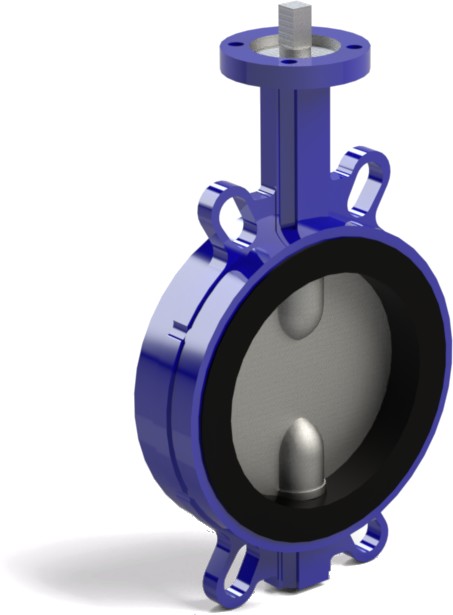
The first type is butterfly valves (disc closures), named due to their shape, which have gained wide popularity due to their relative simplicity, compactness, and versatility. Their working principle is based on a disk that rotates around its axis, opening or closing the flow of the medium through the pipeline.
Design Features
Body Materials:
- Cast Iron: an affordable solution for heating, water supply, and ventilation systems
- Stainless Steel: for aggressive environments and the food industry
- Carbon Steel: for high temperatures and pressures
- Aluminium: a lightweight material primarily used for bulk materials
Disc Materials:
- Stainless Steel: a universal solution for most applications
- Bronze: good corrosion resistance for water environments
- Aluminium: specific use for dry bulk materials where low weight is important
- PTFE (Polytetrafluoroethylene) Coating: for aggressive chemical environments
Seal Materials:
- EPDM (Ethylene Propylene Diene Monomer Rubber): excellent resistance to water, steam, chemicals. Temperature range from -40°C to +120°C. Not recommended for petroleum products.
- NBR (Nitrile Butadiene Rubber): high resistance to oils, fuels, hydraulic fluids. Operating range from -20°C to +100°C.
- PTFE (Polytetrafluoroethylene): exceptional chemical resistance, suitable for most aggressive environments. Temperature range from -40°C to +200°C.
Types of Valve Actuators
Manual Actuator:
- Lever: for quick opening/closing in easily accessible locations
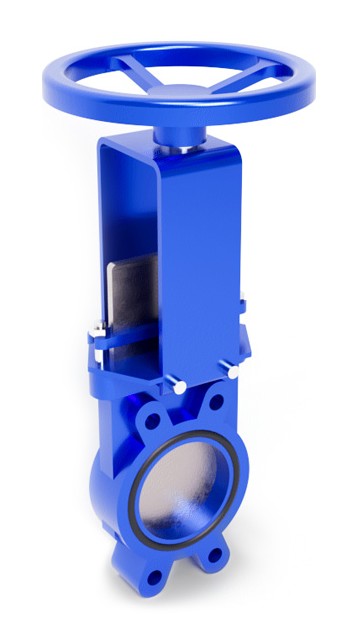
- Gear (worm) actuator: for large valves requiring more force
- Advantages: energy independence, low cost
- Disadvantages: requires operator presence, no remote control capability
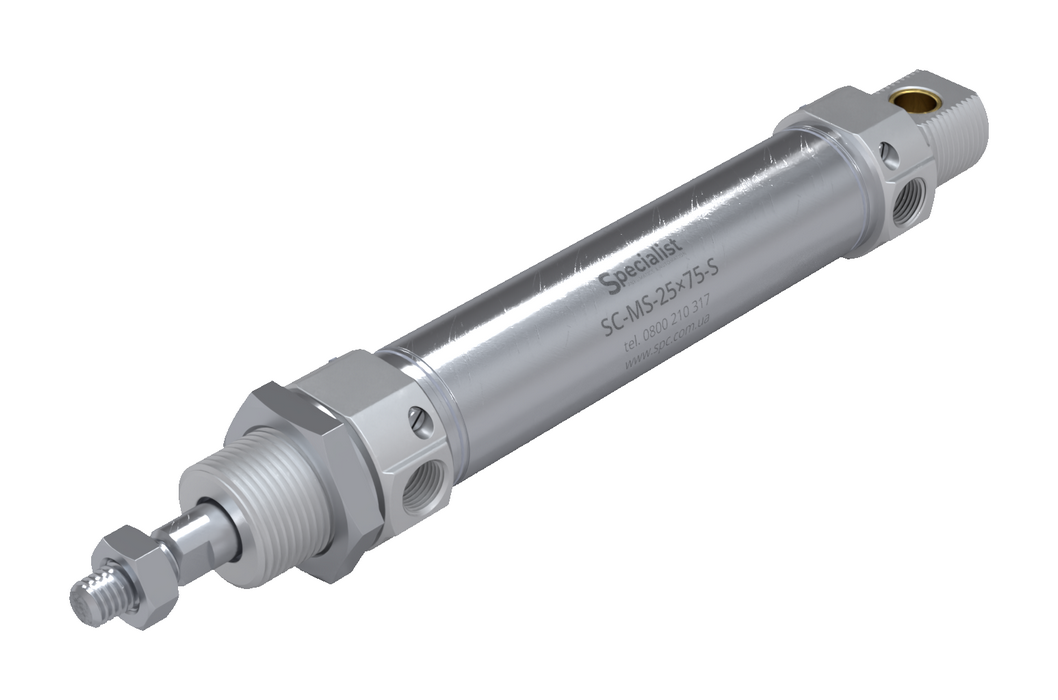
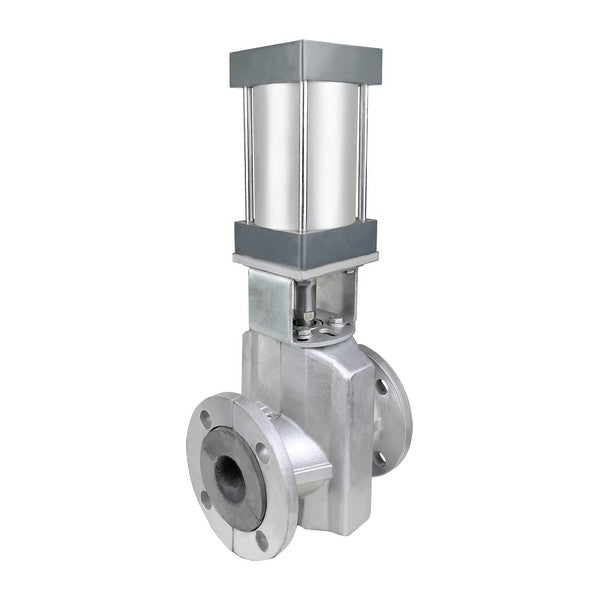
Pneumatic Actuator:
- Operating Principle: uses compressed air to generate actuation force
- Advantages: fast actuation, automation capability, explosion-proof
- Disadvantages: requires compressed air preparation system, potential leaks in the pneumatics system
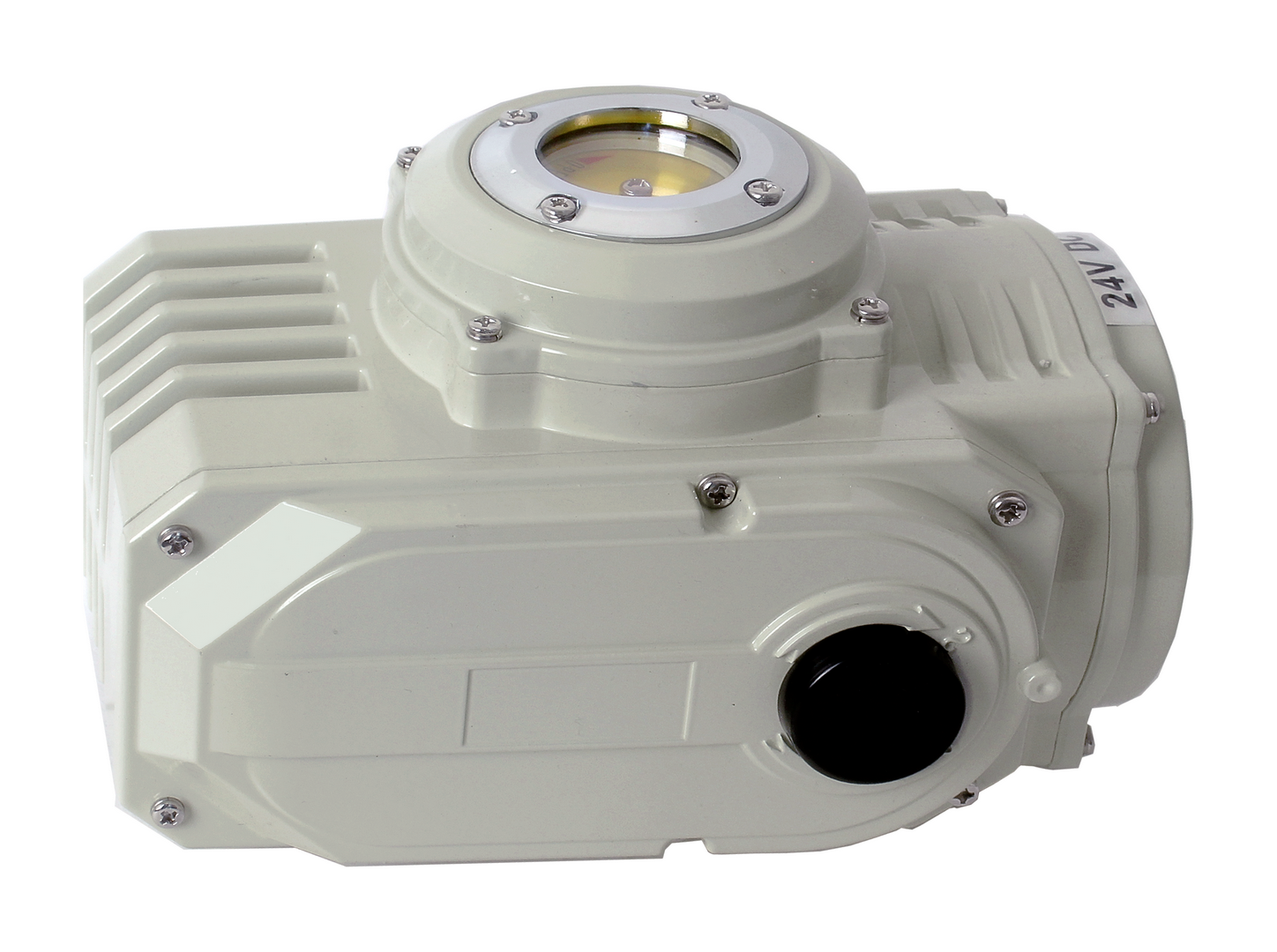
Pneumatic Actuator with Positioner (4-20 mA Signal):
- Enhanced Capabilities: precise positioning at intermediate positions
- Integration with Automatic Control Systems (ACS)
- Feedback: allows monitoring of actual valve position
- Application: flow regulation, pressure, maintaining technological parameters
Special Case: Valves with Aluminium Body and Disc
Valves with aluminium body and disc are a specialised solution for specific industrial processes, typically the shut-off gates have a connection size (also known as nominal diameter (DN) - 150 - 300 mm:
- Main Application: transportation of bulk materials (cement, flour, grain, mineral fertilizers)
- Advantages: low weight, corrosion resistance to certain environments, low cost
- Limitations: lower mechanical strength compared to steel, limited temperature range
Ball Valves: Reliable Protectors of Your Pipeline
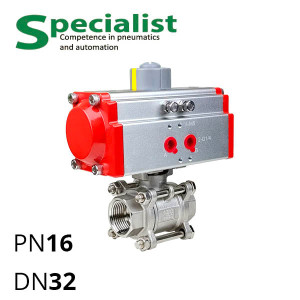
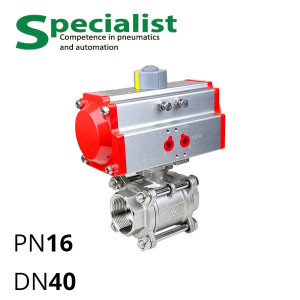
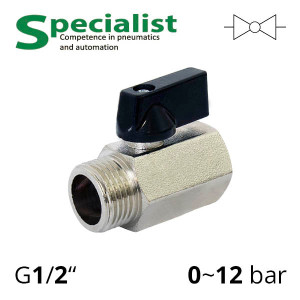
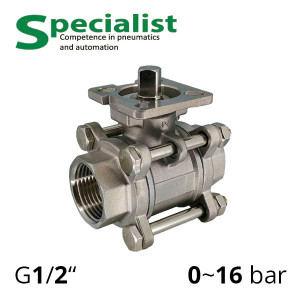
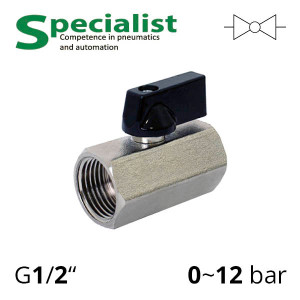
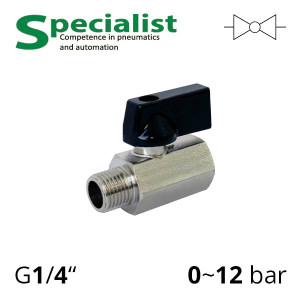
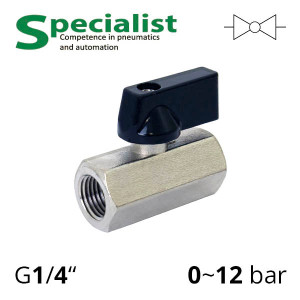
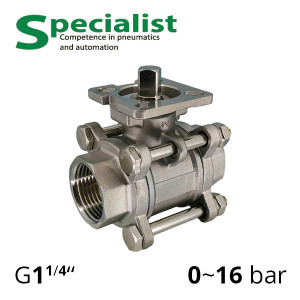
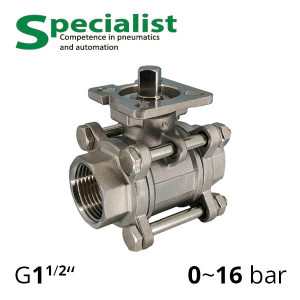
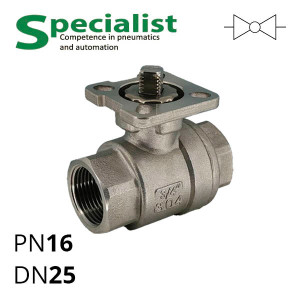
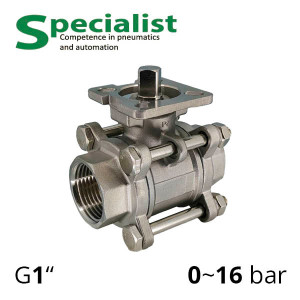
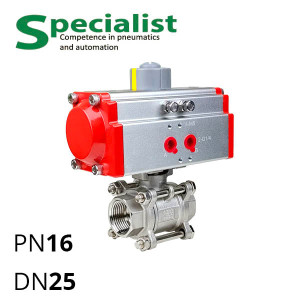
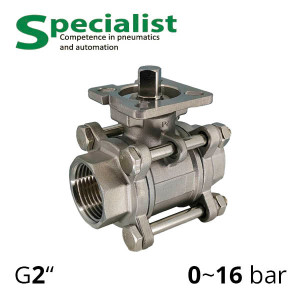
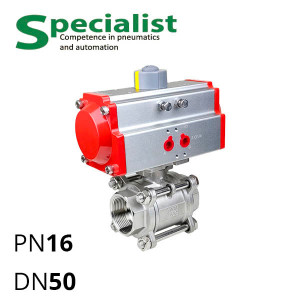
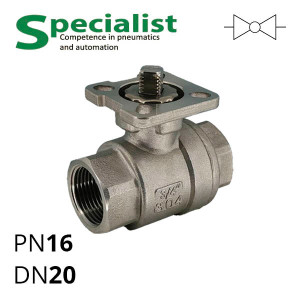
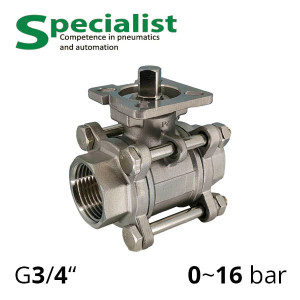
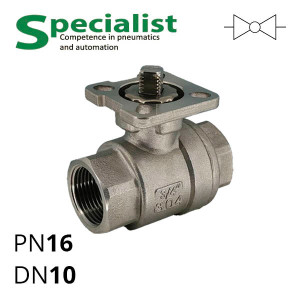
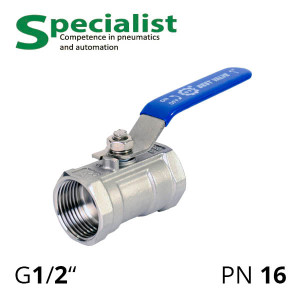
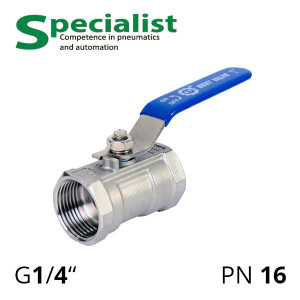
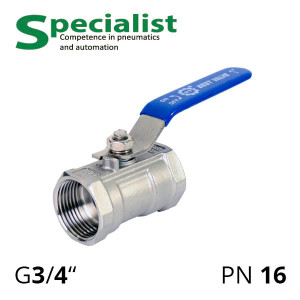
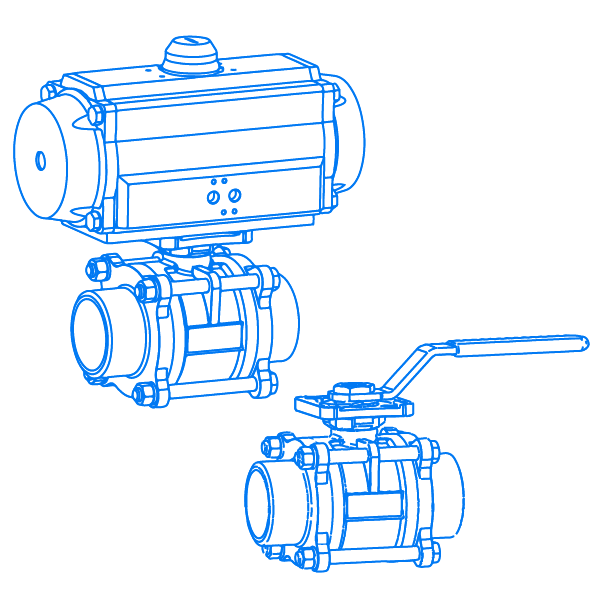
A ball valve is a type of shut-off valve where the shut-off element is a ball with a hole, which rotates around its axis. When the hole aligns with the pipeline axis, the valve is open, and in a perpendicular position, it is closed. Usually, ball valves have a connection thread size (also known as nominal diameter (DN) - 1/2 - 2".
Design Features
Body Materials:
- Brass: for water supply and liquid feed in heating systems
- Stainless Steel: high corrosion resistance for aggressive environments
- Carbon Steel: for high pressures and temperatures
- Polymers (PVC, CPVC): for chemically aggressive liquids at low pressures
Ball Materials:
- Stainless Steel: the most common option
- Brass: for non-aggressive environments and low pressures
- With Coatings (chrome, nickel): to enhance wear resistance and corrosion resistance of the material
Seat Materials:
- PTFE: a universal solution with excellent chemical resistance
- PEEK (polyetheretherketone): for high temperatures up to 250°C
- NBR: for petroleum products and gases
Types of Ball Valve Actuators
Manual Actuator (Lever/Handle):
- Butterfly Lever: for small diameter valves
- Long Lever: for medium and large diameter valves
- Gear Actuator: for large diameter valves under high pressure
- Benefits: simplicity of design, reliability, cost-effectiveness
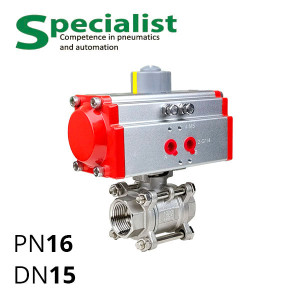
Pneumatic Actuator:
- Operating Mechanism: single or double acting
- Benefits: rapid action, remote control capability
- Application: safety systems, automated lines
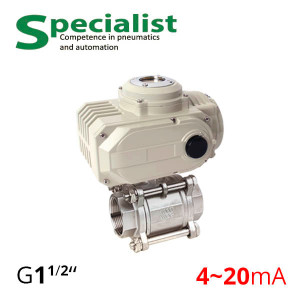
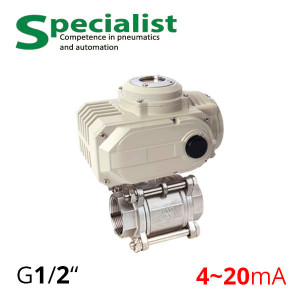
Pneumatic Actuator with Positioner:
- Functionality: control by 4-20 mA signal
- Capabilities: smooth regulation, integration with flow control systems
- Application: precise technological processes, flow parameter regulation
Comparative Analysis of Butterfly and Ball Valves
Examples of Using Butterfly Valves with Different Materials
Water Supply and Drainage
- Body: cast iron
- Disc: stainless steel
- Seal: EPDM
- Temperature: from 0°C to +80°C
- Pressure: up to 16 bar
- Actuation: manual or electric
Food Industry
- Device Body: stainless steel AISI 304/316
- Disc: stainless steel AISI 316
- Seal: EPDM (food grade)
- Temperature: from -10°C to +120°C
- Pressure: up to 10 bar
- Actuation: pneumatic with positioner
Petrochemical Industry
- Device Body: carbon steel with anticorrosion coating
- Disc: stainless steel with coating
- Seal: PTFE or NBR (depending on the medium)
- Temperature: from -20°C to +200°C
- Pressure: up to 25 bar
- Actuation: pneumatic with positioner and emergency shut-off system.
Ventilation and Air Conditioning Systems
- Device Body: aluminium or galvanised steel
- Disc: aluminium
- Seal: EPDM
- Temperature: from -20°C to +80°C
- Pressure: up to 2 bar
- Actuation: manual or electric
Bulk Material Transportation
- Body: aluminium
- Disc: aluminium
- Seal: NBR or silicone
- Temperature: from -10°C to +70°C
- Pressure: up to 6 bar
- Actuation: pneumatic or manual
Recommendations for Selecting Shut-Off Valves
-
Determine the Working Environment Parameters:
- Type (liquid, gas, steam, bulk materials)
- Chemical composition and aggressiveness
- Temperature range
- Operating pressure
-
Consider Operating Conditions:
- Frequency of use (regular or occasional)
- Need for flow regulation
- Accessibility for maintenance
- Speed requirements
-
Evaluate Automation Requirements:
- Need for remote control
- Integration with automatic control systems
- Precision positioning requirements
-
Consider Economic Factors:
- Initial investments
- Maintenance costs
- Expected service life
- Energy consumption (for actuators)
Conclusion
Selecting shut-off valves is a responsible step that requires considering many factors. The ball valve and the butterfly valve are two of the most common types of valves, and each has its own advantages and limitations.
Butterfly valves stand out for their compactness, cost-effectiveness, and good regulating properties. The variety of materials for the body, disc, and seals allows for selecting the optimal solution for specific operating conditions. Aluminium butterfly valves for bulk materials are of particular interest, combining lightness and acceptable corrosion resistance. They have a simple construction, which increases the quality of installation and operation.
The ball valve offers excellent sealing and low hydraulic resistance, making it ideal for systems where the reliability of flow closure is critical. The variety of configurations, constructions, and drive mechanisms allows adaptation for various industrial tasks, contributing to the popularity of these devices.
Modern automation systems, including pneumatic actuators with positioners, open up new possibilities for precise control of technological processes and increased production efficiency.
Careful analysis of the requirements for shut-off valves at the design stage will help avoid problems in the future and ensure long and reliable operation of the pipeline system as a whole.
Frequently Asked Questions
What types of shut-off valves are there? What belongs to shut-off devices?
Shut-off devices include butterfly valves (disc closures) and ball valves. Each type has different options based on materials and actuator types.
Where are shut-off valves installed?
Shut-off valves are installed in water supply and drainage systems, the food industry, the petrochemical sector, ventilation and air conditioning systems, and on bulk material transportation lines.
How does shut-off valves differ from regulating ones?
Shut-off valves are mainly designed for fully opening or closing the flow of the medium, whereas regulating valves allow precise control of flow parameters in intermediate positions. Some types of shut-off valves (e.g., butterfly valves with a positioner) can perform regulating functions, but that is not their primary purpose.
What valves are installed on steam and hot water pipelines?
On steam and hot water pipelines the following are installed:
- Butterfly valves with cast iron or carbon steel body, stainless steel disc, and seals made of EPDM (for temperatures up to +120°C) or PTFE (for temperatures up to +200°C)
- Ball valves made of carbon or stainless steel with seats made of heat-resistant materials, able to work under increased temperatures.
Request a variant
Fill in the form and we will get back to you regarding this variant.