
- 1
- 2
Braking Resistors
Braking Resistors
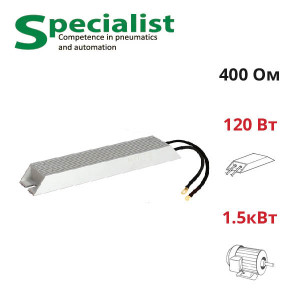
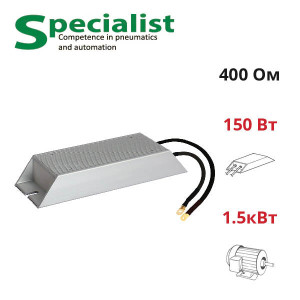
External braking resistors for frequency converters connect to dissipate heat during dynamic (forced) braking of a DC motor. Without a dynamic braking resistor, high voltage and overheating can damage the DC link and the power keys of the frequency converter.
We sell braking resistors for Nietz VFDs that offer a good balance of price and quality. Our range includes two series:
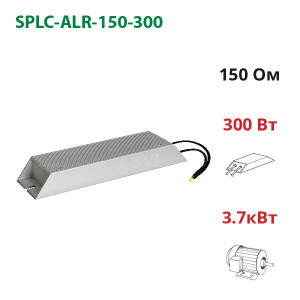
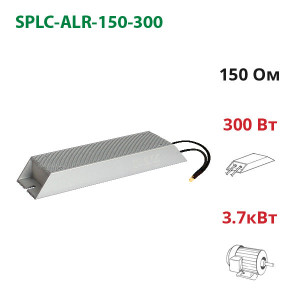
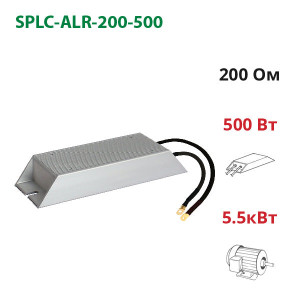
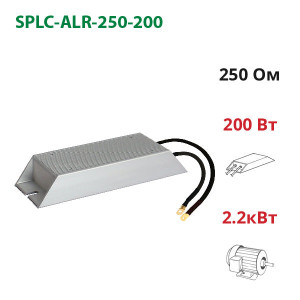
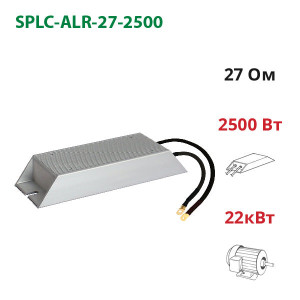
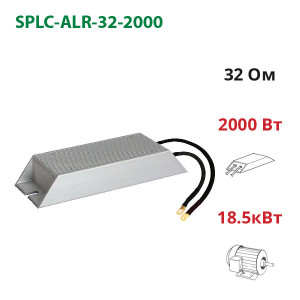
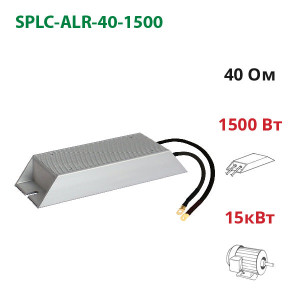
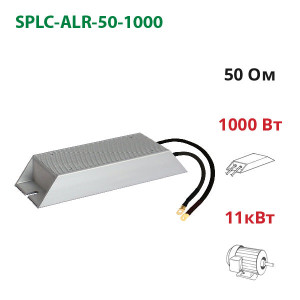
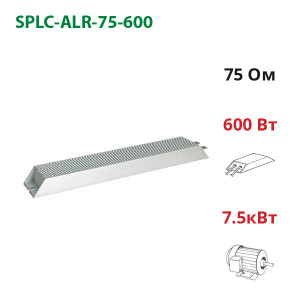
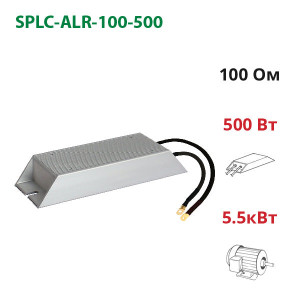
- SPLC-ALR are braking resistors in aluminium housings with a trapezoidal rectangular shape, offering both good thermal conductivity and corrosion resistance. Inside is a heating element in the form of a high-resistance spiral (such as nichrome, which has a resistance 4 times greater than copper), allowing the production of a resistor with the desired power while maintaining compactness. This class of braking resistors is popular for low and medium power frequency converters;
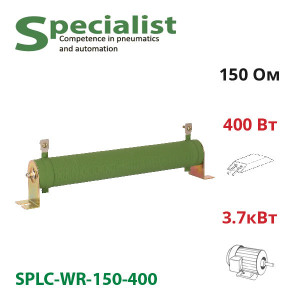
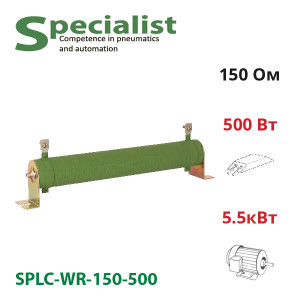
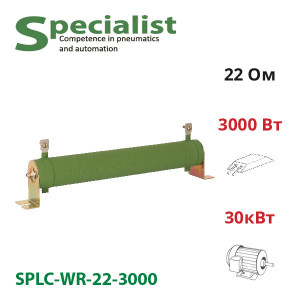
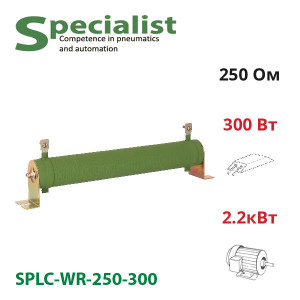
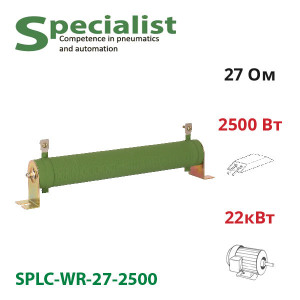
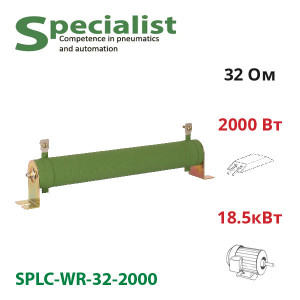
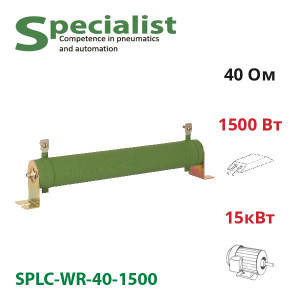
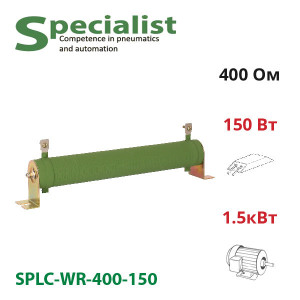
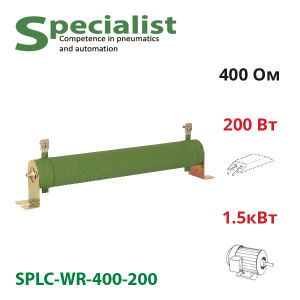
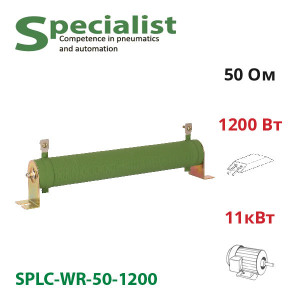
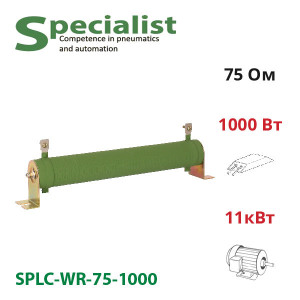
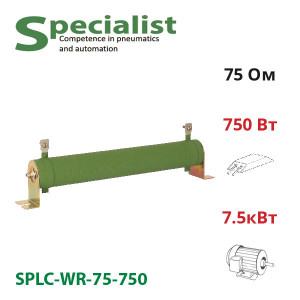
- SPLC-WR belongs to ceramic braking resistors. In them, a nichrome or fecral wire is wound on a ceramic cylindrical core. Corrosion resistance and the ability to withstand very high current make ceramic braking resistors suitable for more powerful converters;
How to select a braking resistor for a frequency converter?
Nietz low-power frequency converters up to 11 kW in our catalogue already have built-in braking resistors. You can see their presence on the connection diagrams, while the standard rating is indicated in the specifications.
| Frequency Converter | Braking Resistor | ||
|---|---|---|---|
| Power | Type | Power | Resistance |
| 0.4 kW | 1ph | 80 W | 200 Ω |
| 3ph | 750 Ω | ||
| 0.75 kW | 1ph | 100 W | 200 Ω |
| 3ph | 750 Ω | ||
| 1.5 kW | 1ph | 300 W | 100 Ω |
| 3ph | 400 Ω | ||
| 2.2 kW | 1ph | 300 W | 70 Ω |
| 3ph | 250 Ω | ||
| 3.7 kW | 1ph | 500 W | 75 Ω |
| 3ph | 150 Ω | ||
| 5.5 kW | 3ph | 500 W | 100 Ω |
| 7.5 kW | 1000 W | 75 Ω | |
| 11 kW | 1000 W | 50 Ω | |
For inverters of 15 kW and above, separate resistors or a module that distributes the load among several braking resistors must be connected, providing a greater total power.
The simplest way to select a resistor is by motor power, but it is more correct to also consider load inertia and the required braking time. Proper calculation and selection of the resistor ensure reliable operation of the frequency drive.
| Inverter Power | Module | Equivalent Power and Resistance of Resistors | Number of Resistors | |
|---|---|---|---|---|
| 15 kW | DBU-4015 | 1560 W | 40 Ω | 1 |
| 18.5 kW | DBU-4030 | 4800 W | 32 Ω | |
| 22 kW | 27.2 Ω | |||
| 30 kW | 6000 W | 20 Ω | ||
| 37 kW | DBU-4045 | 9600 W | 16 Ω | |
| 45 kW | 13.6 Ω | |||
| 55 kW | DBU-4030 | 6000 W | 20 Ω | 2 |
| 75 kW | DBU-4045 | 9600 W | 13.6 Ω | |
| 110 kW | DBU-4030 | 20 Ω | 3 | |
| 160 kW | DBU-42220 | 40 kW | 3.4 Ω | 1 |
| 220 kW | 60 kW | 3.2 Ω | ||
| 300 kW | 40 kW | 4.5 Ω | 2 | |
| 600 kW | 4.5 Ω | 4 | ||
Braking resistors are connected in parallel, so their number and characteristics are determined as follows:
- Total power equals the product of power and the number of resistors
- Resistance, conversely, is divided by the number
Request a variant
Fill in the form and we will get back to you regarding this variant.