

Compressors for Construction
In modern construction, compressors play a key role by powering various pneumatic tools and equipment. Choosing the right compressor can greatly affect the efficiency of work, productivity, and the longevity of equipment. In this article, we will look at the advantages of screw compressors over piston ones and provide recommendations for selecting an optimal compressor for construction work.
Screw vs. Piston Compressors: Why the Choice is Clear
A construction site requires reliable and efficient equipment that can operate continuously. This is where screw compressors show their advantage over piston models:
Continuous Operation without Interruptions
Unlike piston compressors, which need periodic breaks for cooling, screw compressors can work continuously throughout the working day. This is critical on a construction site where downtimes can lead to delays and financial losses.
Higher Efficiency and Economy
Screw air compressors have a higher coefficient of performance and are more productive compared to piston counterparts. They convert a larger portion of consumed electricity into compressed air, making them economically more beneficial in the long-term.
Significantly Lower Noise
The noise factor is an important aspect when choosing equipment, especially in urban construction conditions. Screw air compressors operate more quietly, improving working conditions and reducing the negative impact on the environment.
Less Vibration
The design of screw compressors provides for a more balanced operation and less vibration, which increases the equipment's lifespan and reduces the risk of mechanical damage.
Stable Pressure and Performance
Screw air compressors provide more stable pressure and constant air supply, which is important for quality construction work, painting, and other productions where precision and consistency of working parameters are needed.
Protection of Compressor from Construction Dust and Debris: a Critical Factor
A construction site is an environment with a high content of dust, small particles of building materials, and other contaminants. These factors can significantly shorten the compressor's lifespan and reduce its performance if appropriate protective measures are not taken.
Why is Protection So Important?
The ingress of dust and construction debris into the compressor system can lead to:
Premature wear of moving parts
Oil contamination and reduced lubrication efficiency
Clogging of filters and cooling system
Increased heating and risk of overheating
Reduced productivity and efficiency
Higher electricity consumption
Frequent breakdowns and costly repairs
Key Elements of Compressor Protection
Effective protection of the compressor from the negative effects of the construction site includes:
High-quality Air Filters — the first line of defense against contaminants, trapping dust and particles before entering the compressor block
Regular Maintenance — timely replacement of filters and oil prevents contamination buildup
Proper Placement — installing the compressor in an area with minimal dust and construction debris
Protective Casings and Enclosures — quality enclosures prevent direct dust contact with working components
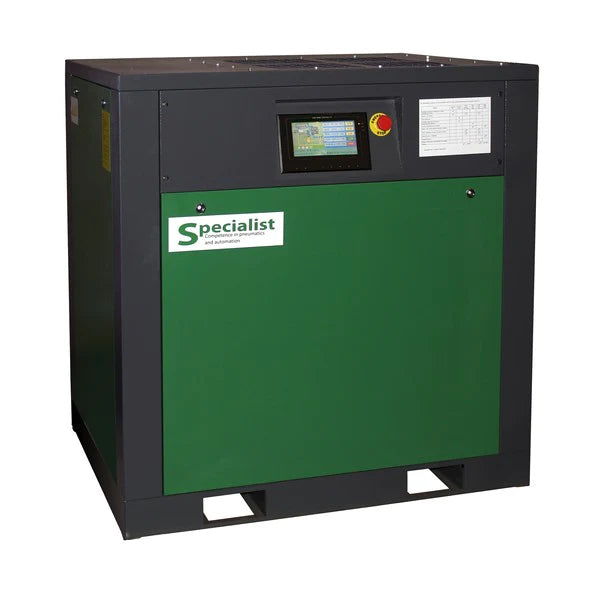
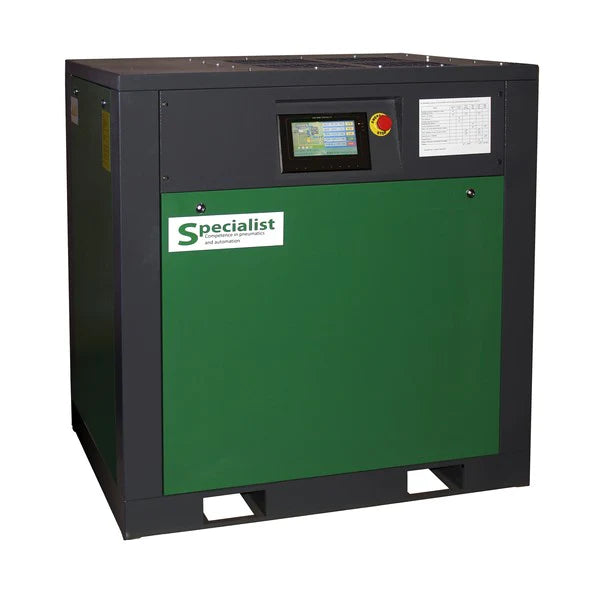
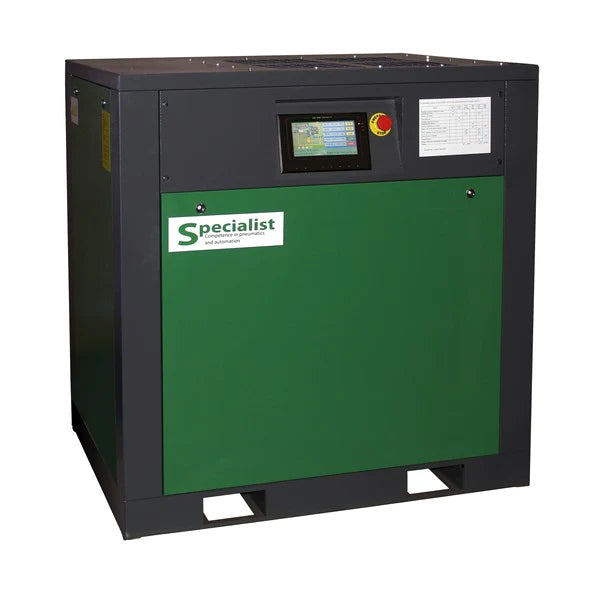
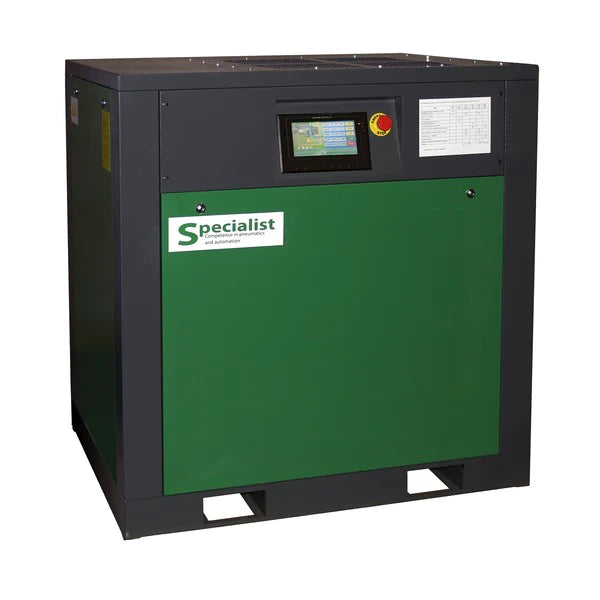
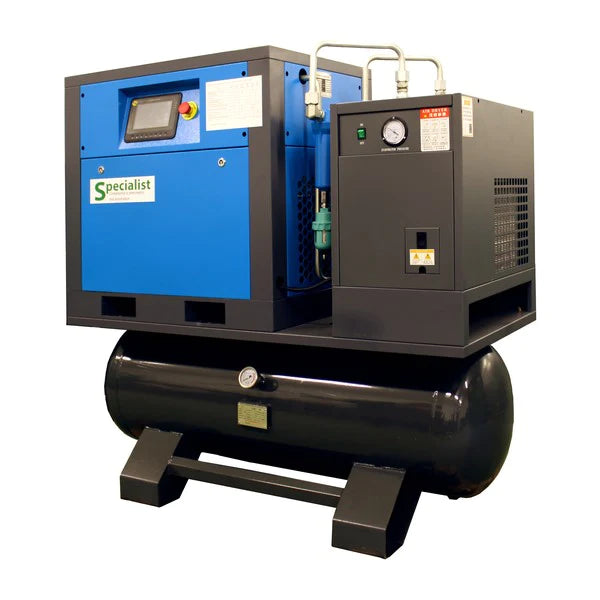
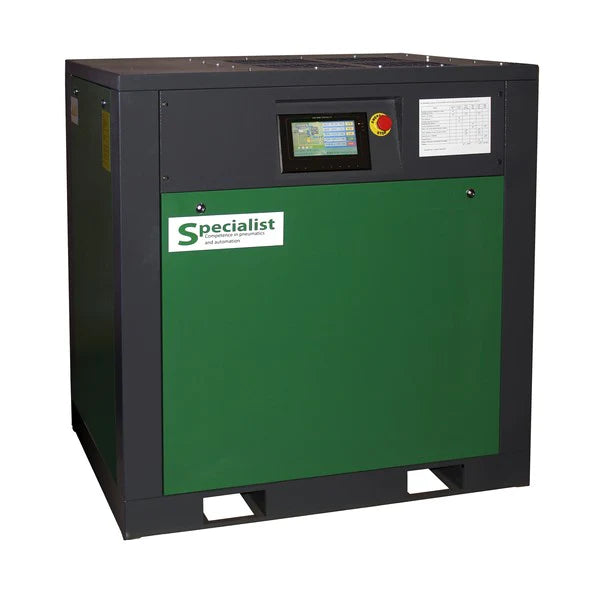
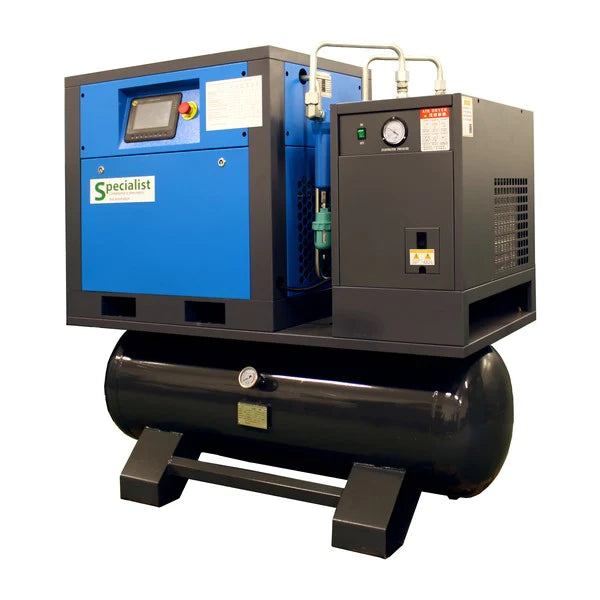
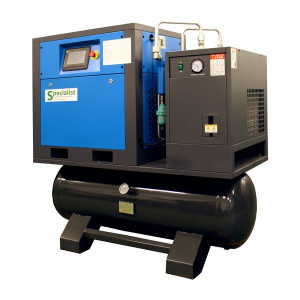
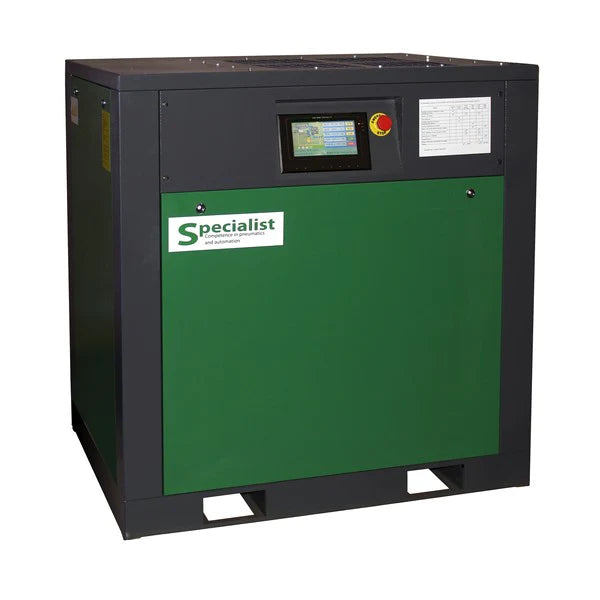
The Optimal Solution for the Construction Site: Specialist Compressors
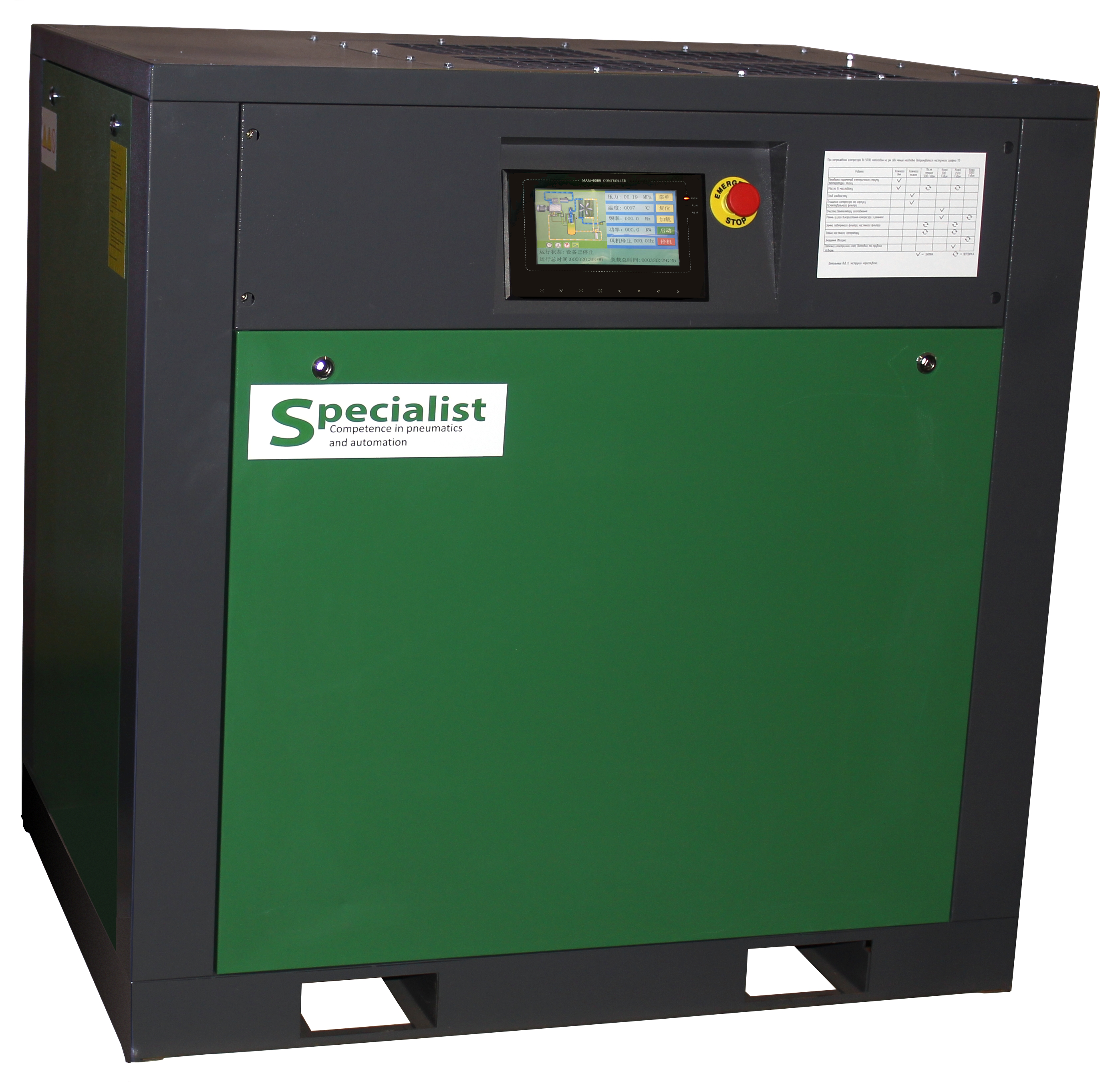
Our online store "Specialist" offers screw compressors with direct drive, specially designed for construction work, we understand that price matters. Let's consider two models that meet the highest professional requirements.
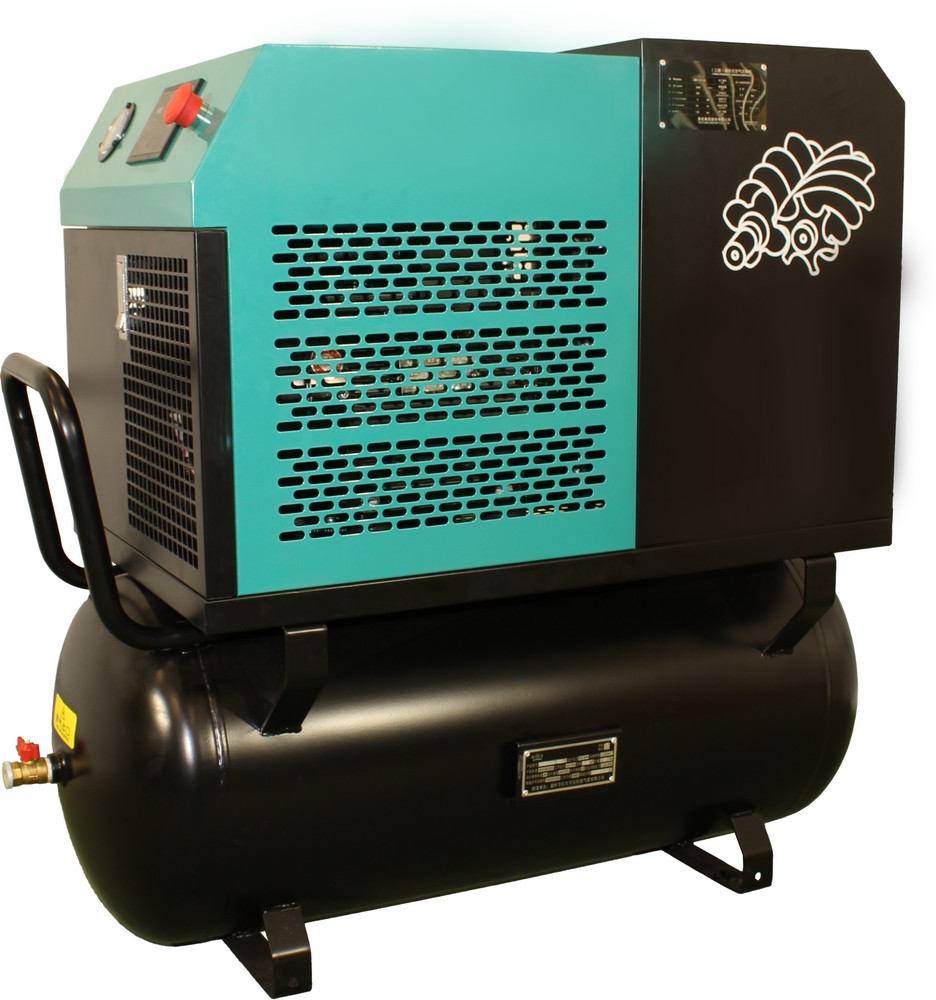
Type #1 Air Compressor SCC-CM4.0-05: Power and Reliability
Air Compressor 500 L/min Series SCC-CM4.0-05 is a modern mobile compressor unit with a 100-litre receiver volume. The compressor can compress air up to 8 bar, making it universal for most construction tasks.
Key advantages of the model:
Screw Technology — provides continuous operation without overheating
High Power — 4 kW motor, asynchronous type, ensures productivity of 500 L/min
Direct Drive — the connection of the motor with the screw pair through an elastic coupling ensures better efficiency and performance, simplifying maintenance compared to belt transmission
Reliable Construction — components connected by a metal pipeline provide greater durability compared to rubber connections
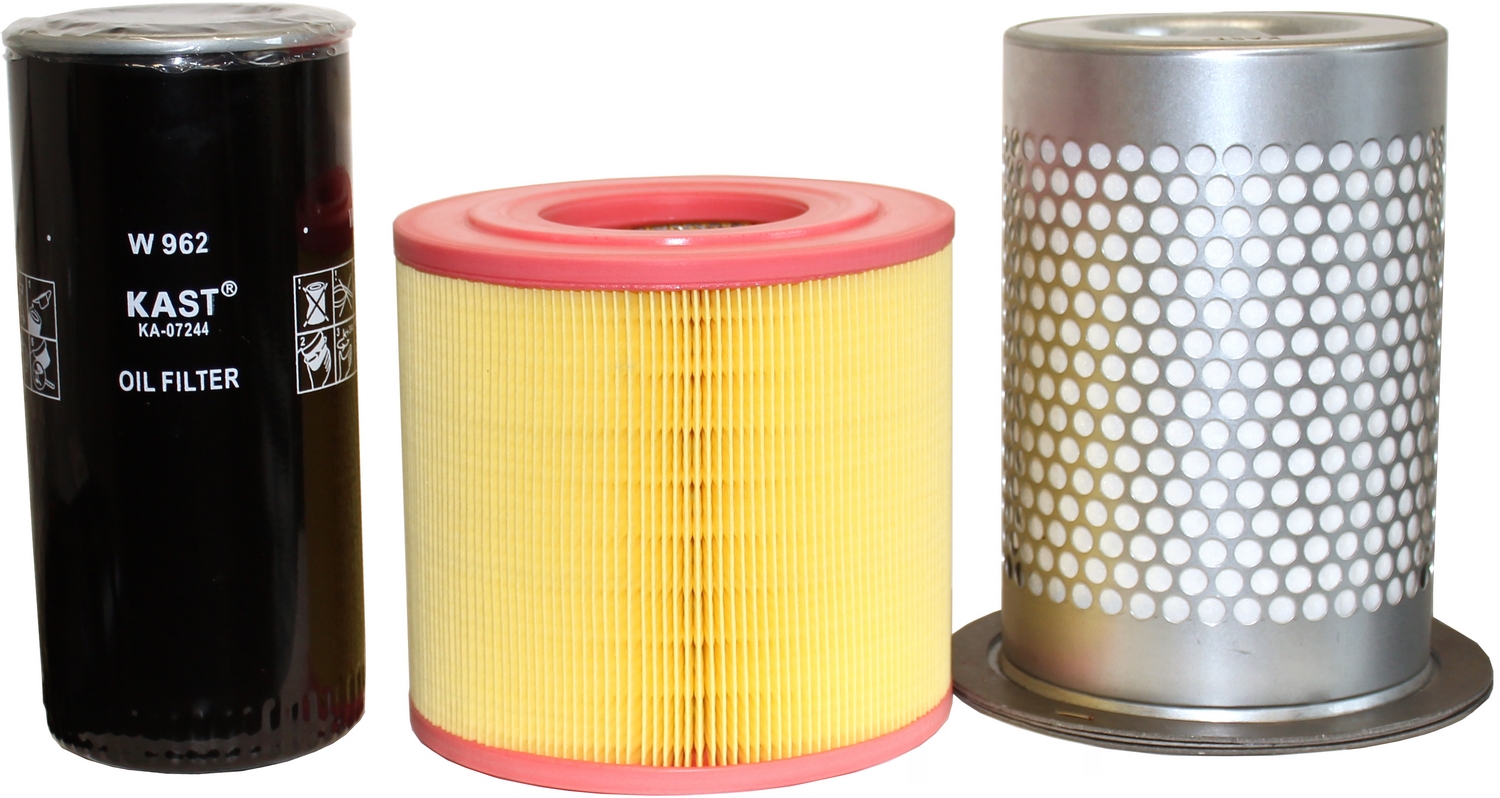
Efficient Filtration System — paper filter in the air intake and oil filter provide reliable protection against contamination
Efficient Cooling — two fans (for blowing the whole block and separately for the motor) prevent overheating
Intelligent Control — controller with LCD screen and touch buttons for convenient monitoring and easy parameter adjustment
Mobility — installation on wheels with a handle welded to the receiver ensures easy transportation around the construction site. The wheel material is wear-resistant.
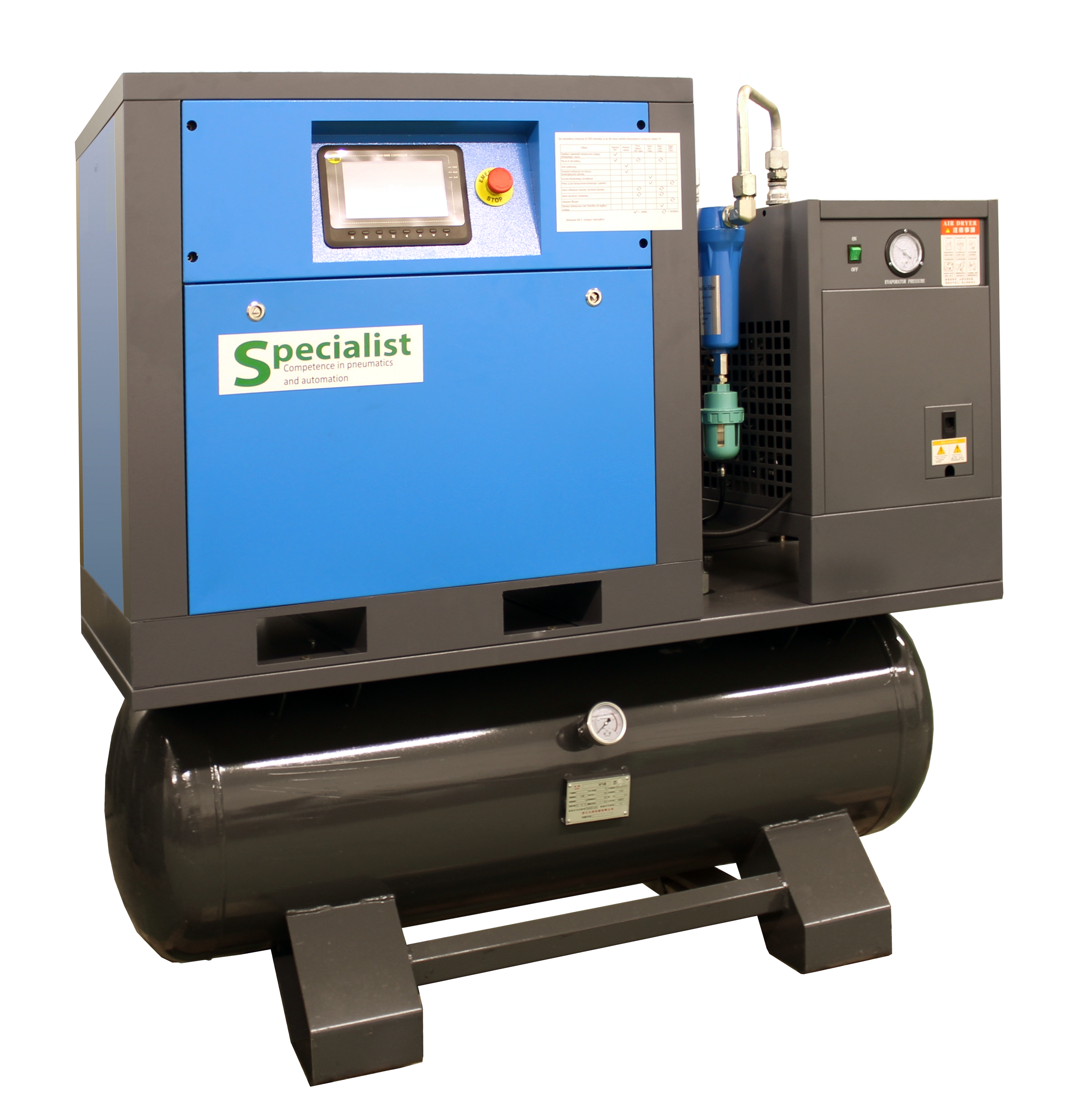
Type #2 Air Compressor SCC-CM2.2-03: Compactness and Versatility
For less extensive construction work, use or service in garages, or limited access to three-phase power supply, the ideal solution is the Air Compressor 300 L/min Series SCC-CM2.2-03. This model operates from a standard single-phase 220V network, making it more versatile for different operating conditions.
Distinctive features:
Compactness — the 60-litre receiver provides a balance between mobility and performance and maintenance simplicity. The net weight does not exceed 110 kg.
Economy — 2.2 kW motor consumes less electricity with sufficient productivity of 300 L/min, at 8 bar.
Versatile Power — connection to a standard 220V network allows the compressor to be used virtually anywhere.
The Same Screw Technology Advantages — continuous operation, low noise, high efficiency
Practical Application on the Construction Site
Screw compressors by Specialist find broad application in various construction works:
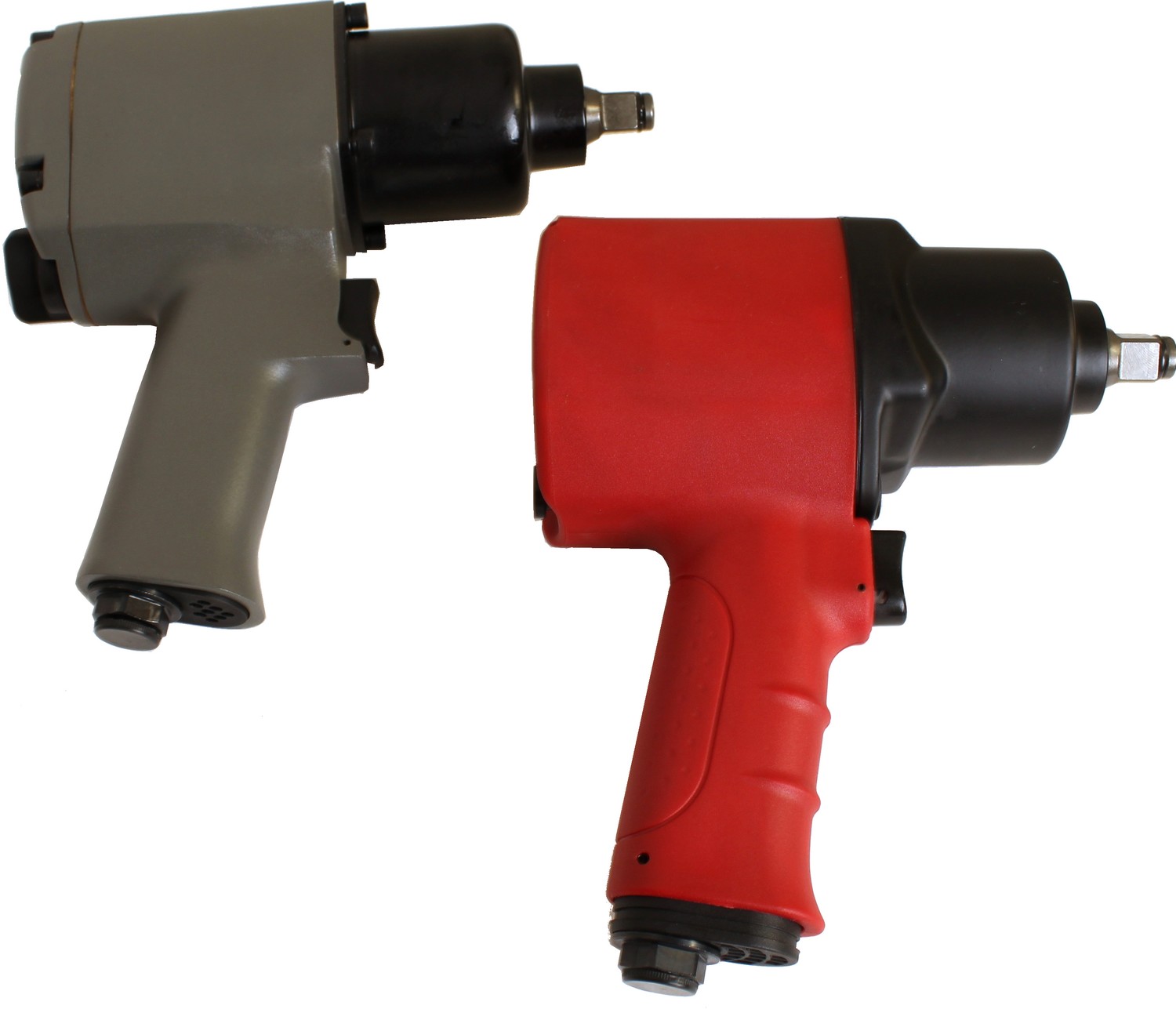
Pneumatic Tools — powering pneumatic wrenches, grinding machines, jackhammers
Painting — providing stable pressure for uniform paint spraying
Sandblasting — air supply for cleaning and surface preparation
Assembly Work — fastening materials using pneumatic guns
Road Works — powering pneumatic jackhammers and other equipment
Additional Equipment for Optimal Performance
The company "Specialist" offers a wide range of products that increase compressor efficiency and extend service life:
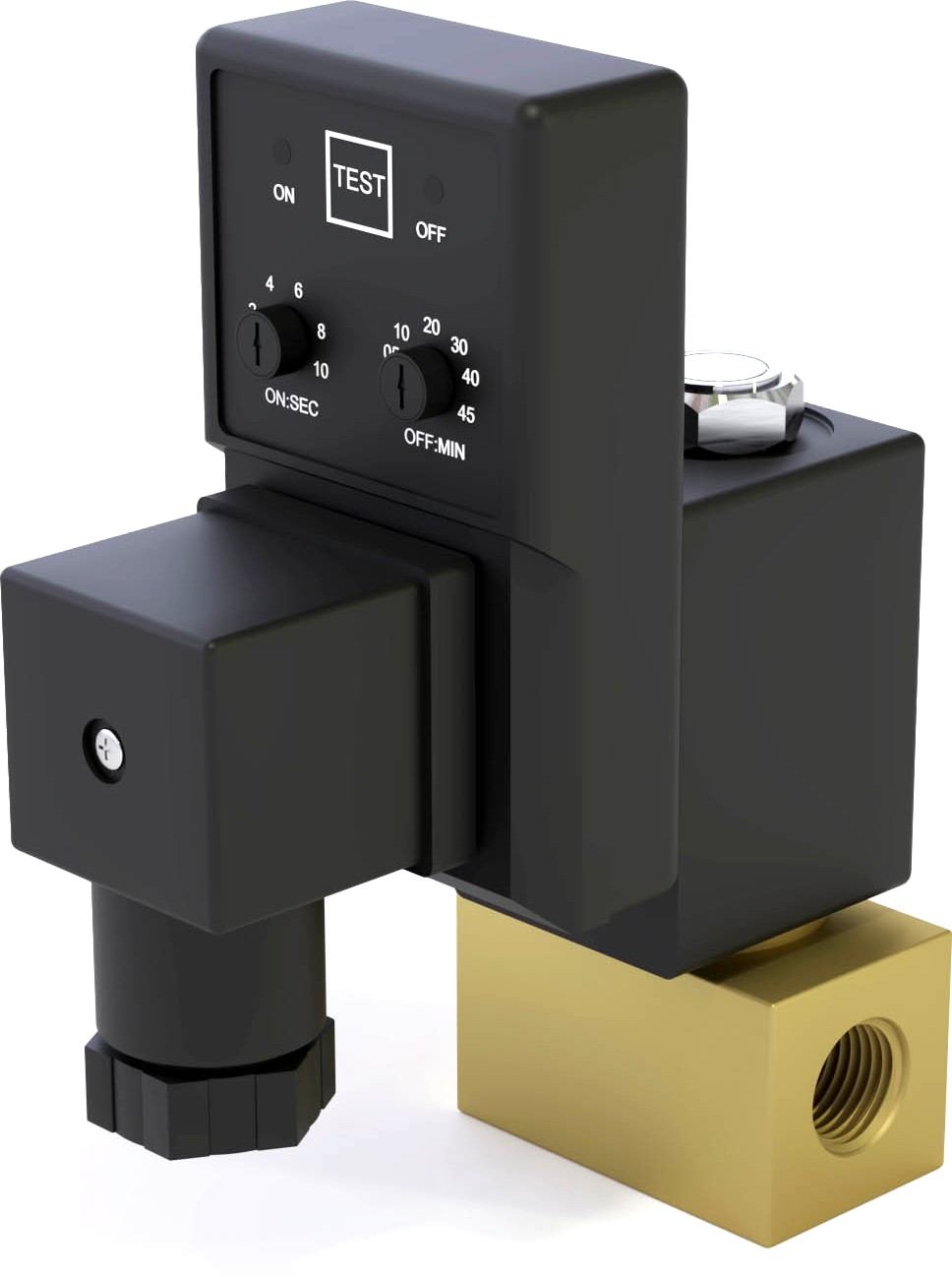
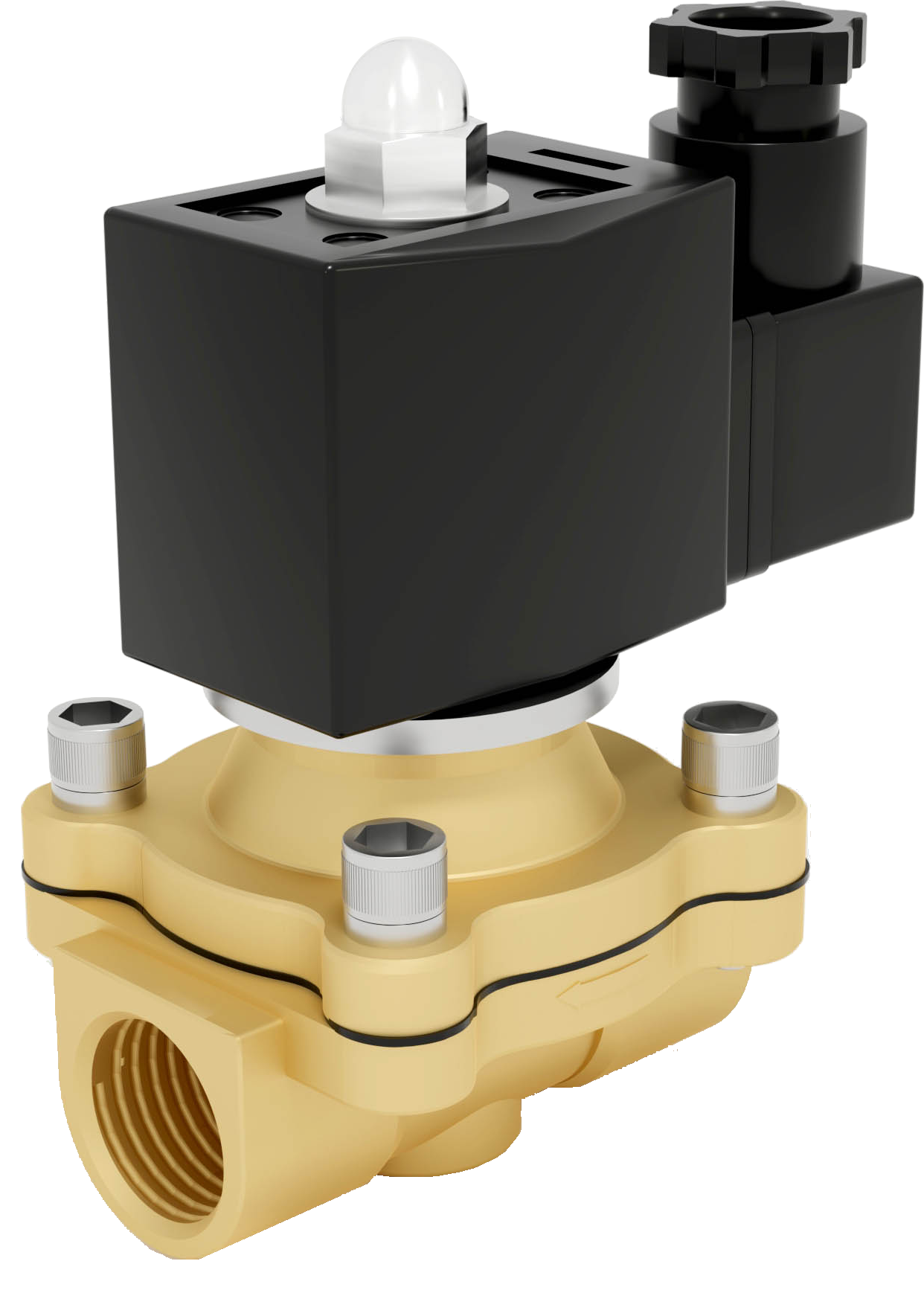
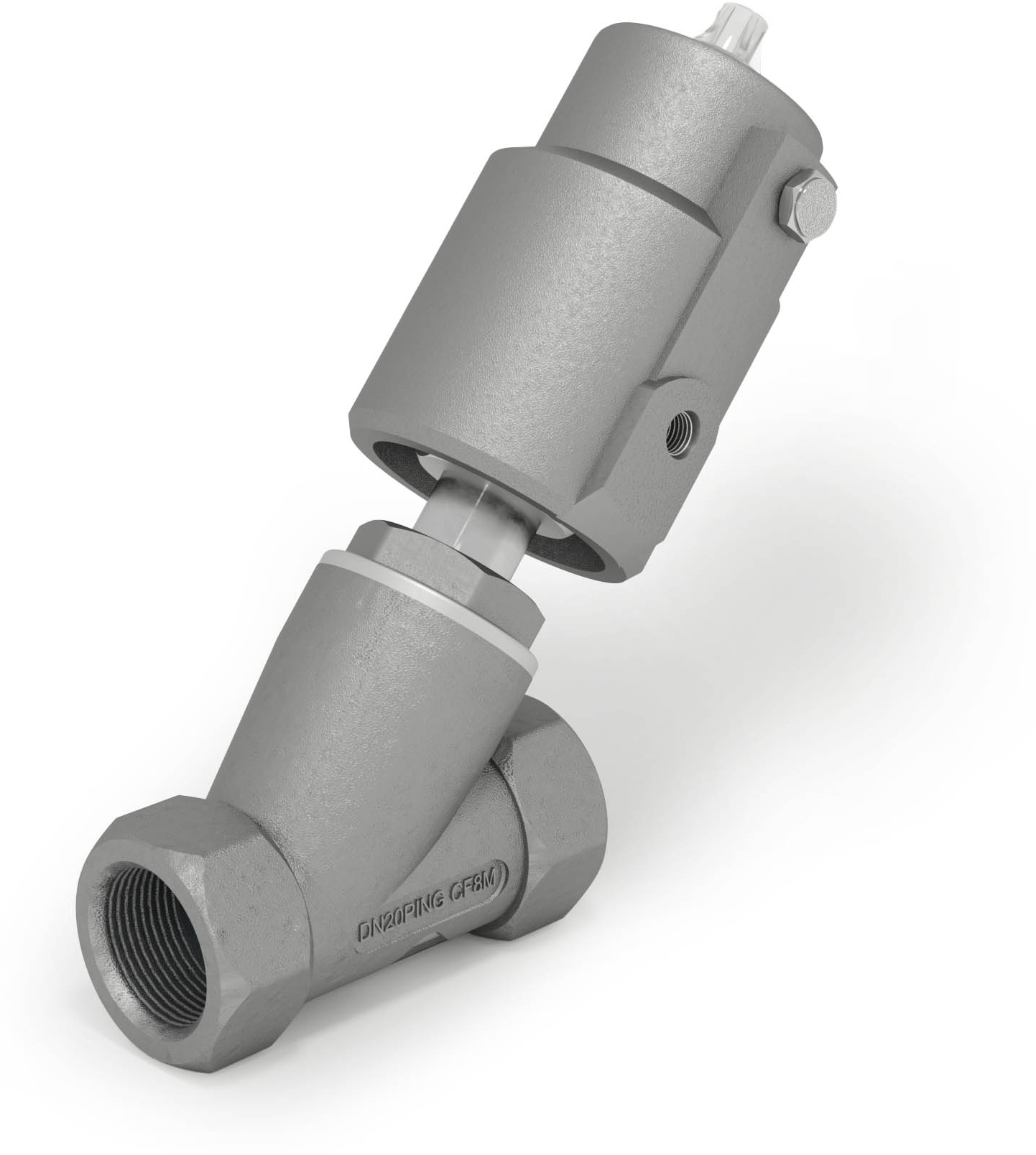
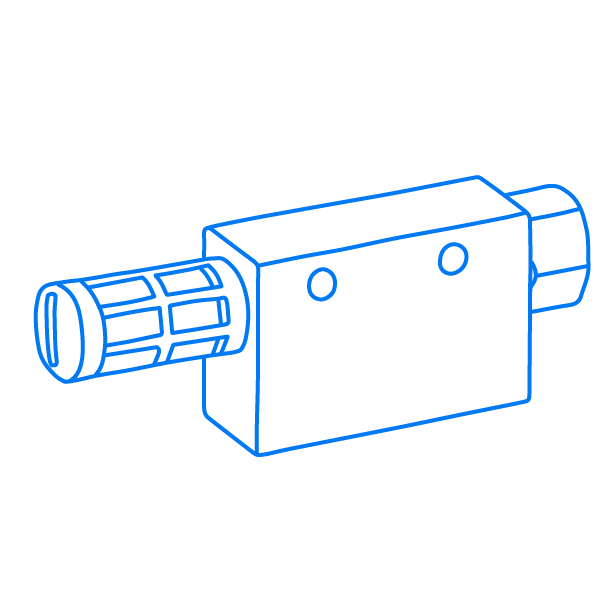
ValvesCondensate Drains — SV-FDA series with an integrated beginning, in stationary receivers for removing impurities.
BallValves — for reliable compressor piping
Specialised Compressor Oil pairs
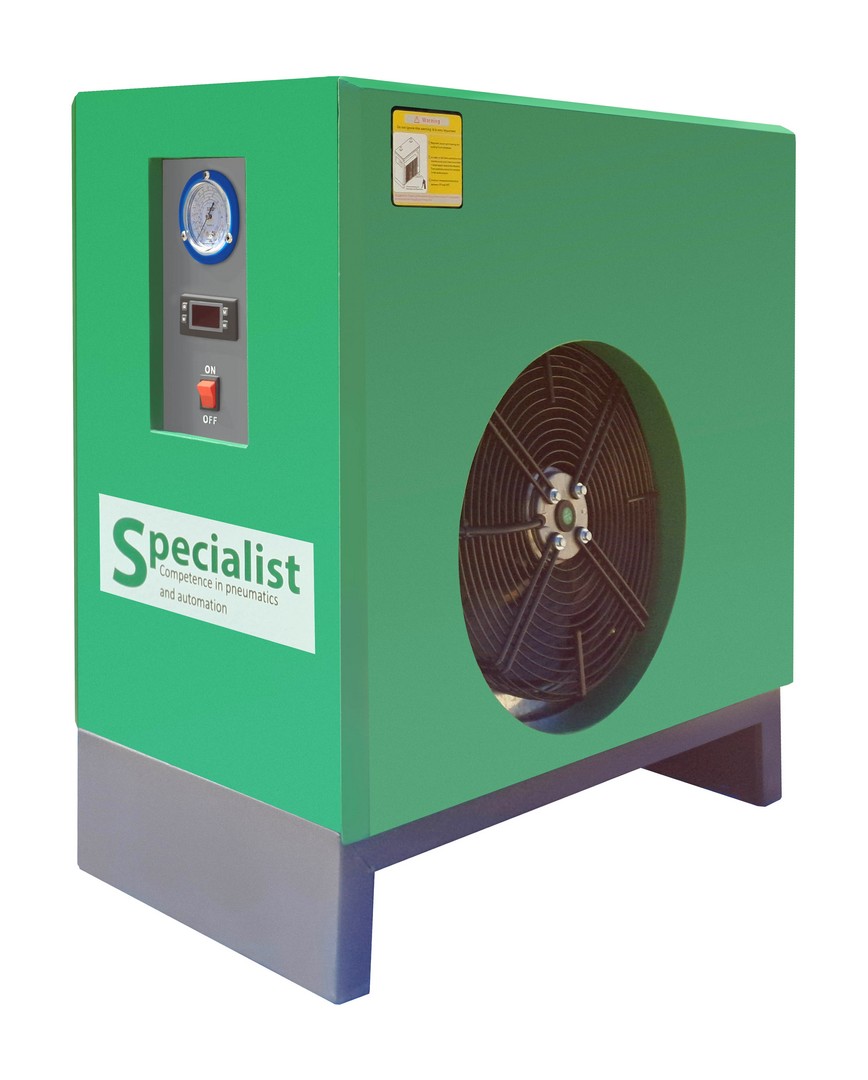
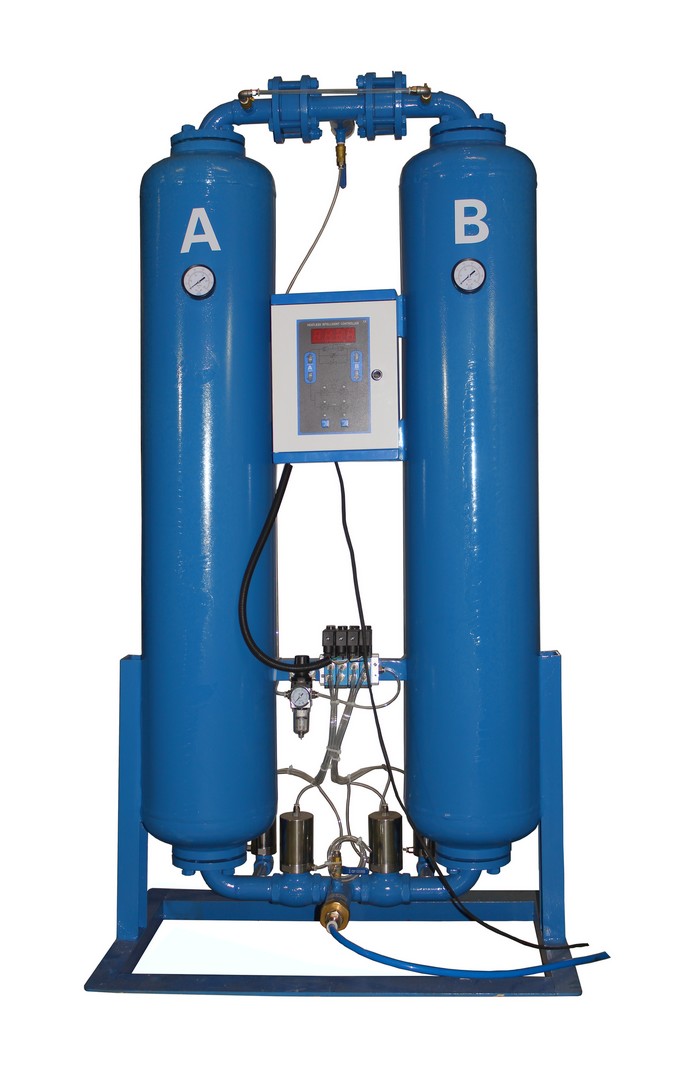
Industrial Air Dryers — refrigerated and for painting and purging.
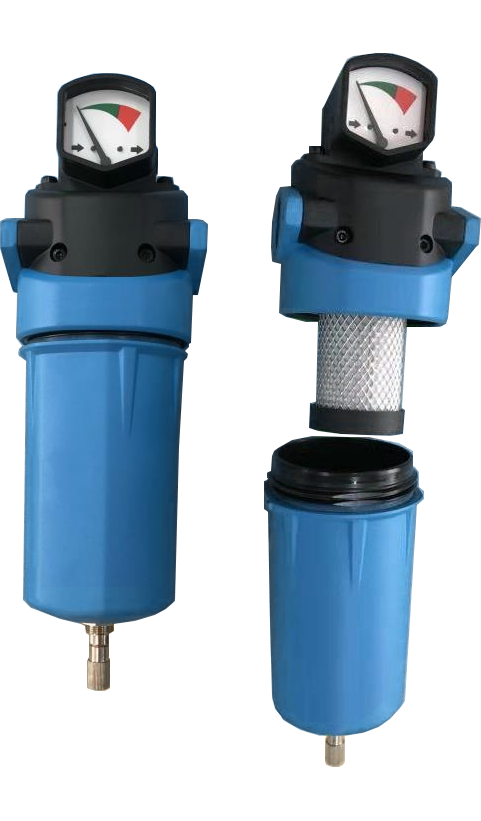
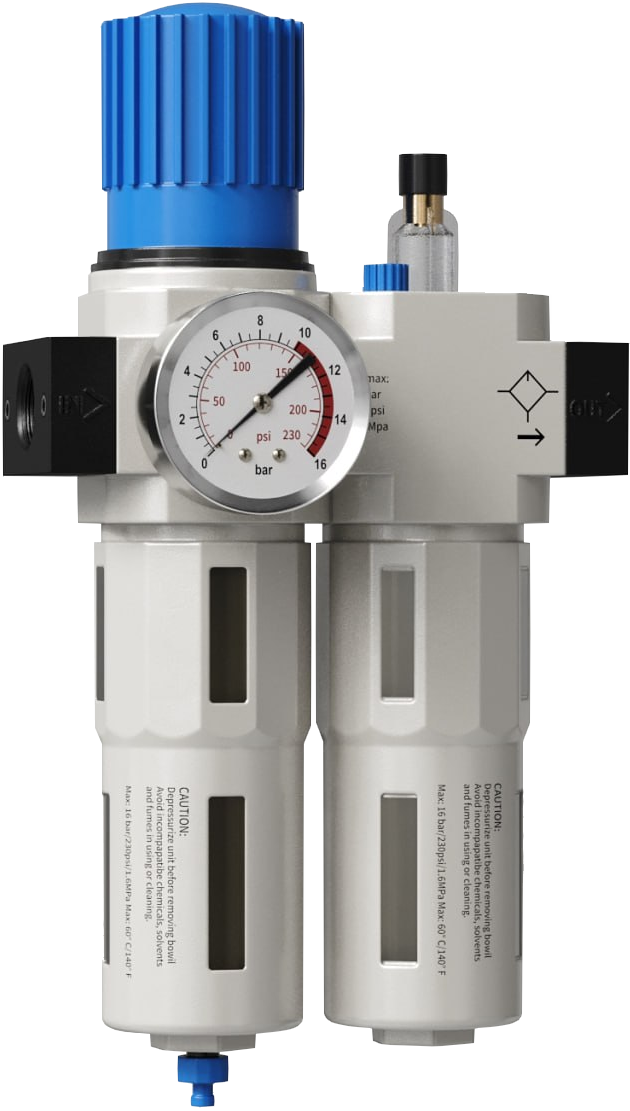
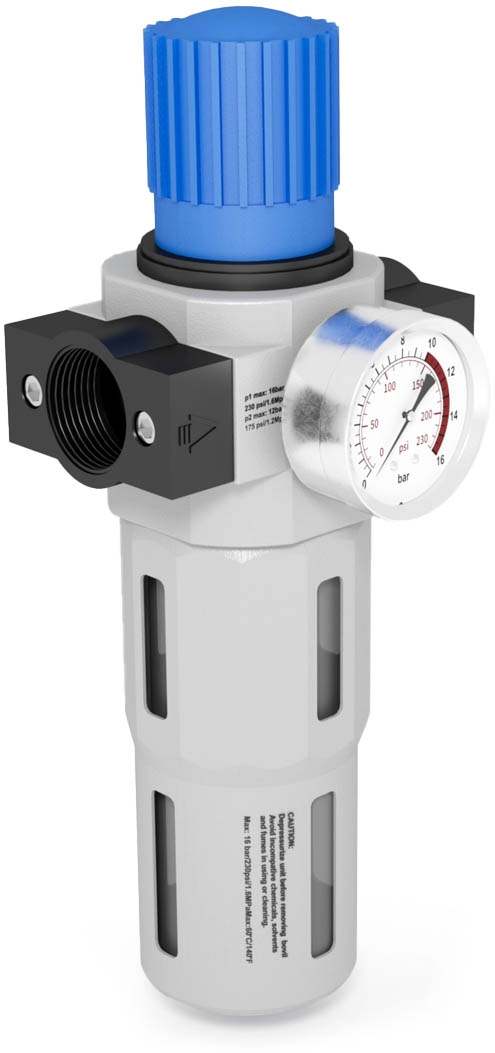
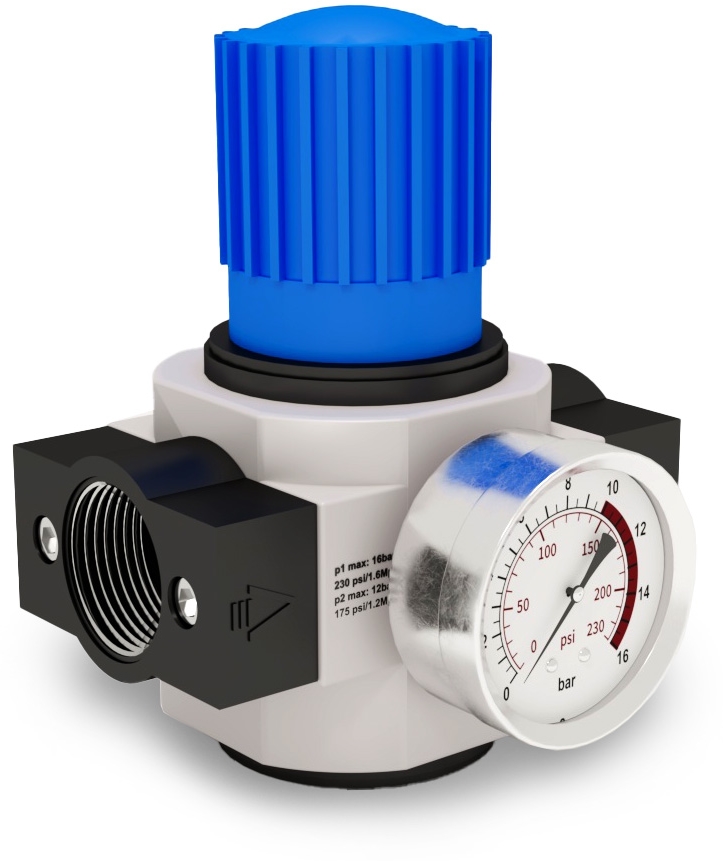
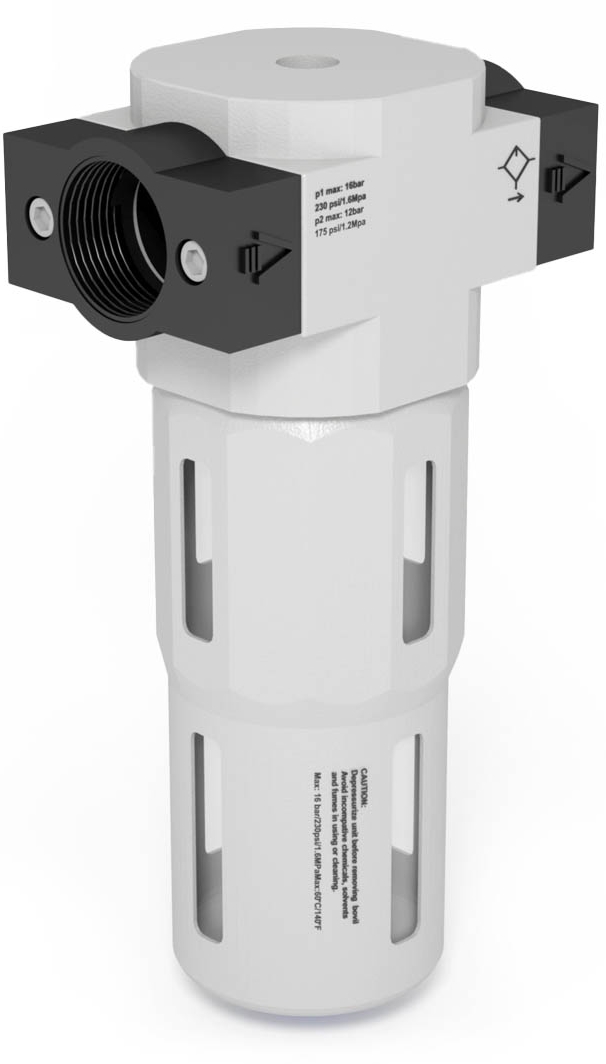
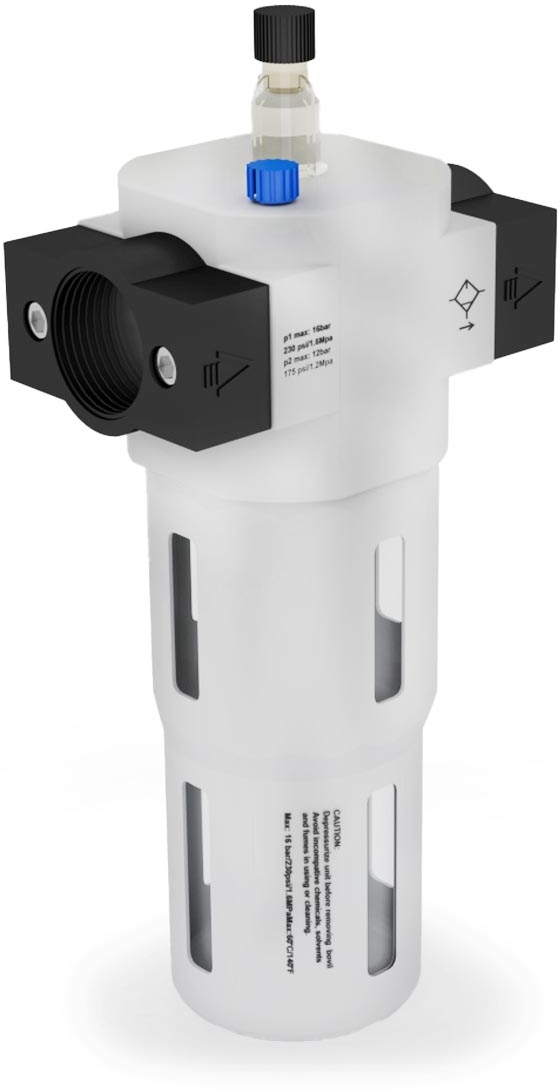
Filtration Systems — for additional compressed air purification
Conclusions: Why the Screw Compressor is the Optimal Choice for Construction
The choice of a compressor for construction work should be based on several key factors: productivity, reliability, ability for continuous operation, protection from adverse conditions, and economic efficiency. Specialist screw compressors meet all these requirements:
Continuous Operation — no need for technological breaks for cooling
High Efficiency — effective use of electricity
Low Noise Level — comfortable working conditions
Reliable Protection — effective filtration systems for working in dusty environments
Durability — metal compounds and quality components
Mobility — wheels and handle for convenient transportation
Smart Control — controller with an LCD display for parameter monitoring
Investing in a quality screw compressor from Specialist pays off through increased productivity, reduced maintenance and repair costs, and extended equipment lifespan. When choosing a compressor for construction, it is necessary to assess the required productivity, available power supply, and specifics of working conditions. A properly selected compressor will become a reliable assistant in implementing construction projects of any complexity.
What is the Purpose of a Compressor in Construction? A compressor in construction is needed for using pneumatic tools, jackhammers, painting and sandblasting works, material installation using pneumatic guns, and other tasks requiring compressed air.
Which Type of Compressor is Better? For construction work, screw compressors are optimal due to the ability for continuous operation without overheating, high efficiency, and stable pressure even under intensive use in tough conditions.
What Types of Compressors are There by Design? By design, compressors are divided into two main types:
Piston — operate cyclically, require breaks for cooling
Screw — provide continuous air supply, more reliable in industrial conditions