

Mon-Fri from 9:00 to 18:00
Sat-Sun Closed
Contact us
Catalog
Main menu
Catalog

Compressors for CNC Machines

Sort By:
Default
80 074,14 UAH
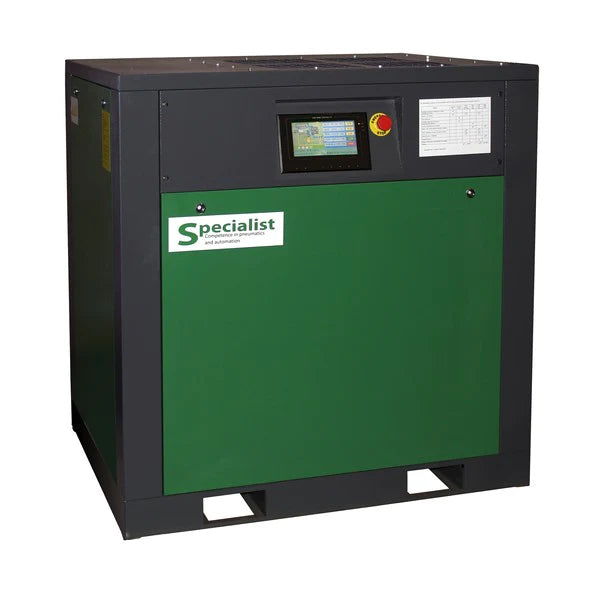
Productivity 800 l/min at 8 bar
Power 5.5 kW
More
174 930,72 UAH
Productivity 2000 l/min at 8 bar
Power 15 kW
More
116 220,24 UAH
Productivity 1100 l/min at 8 bar
Power 7.5 kW
More
65 719,92 UAH
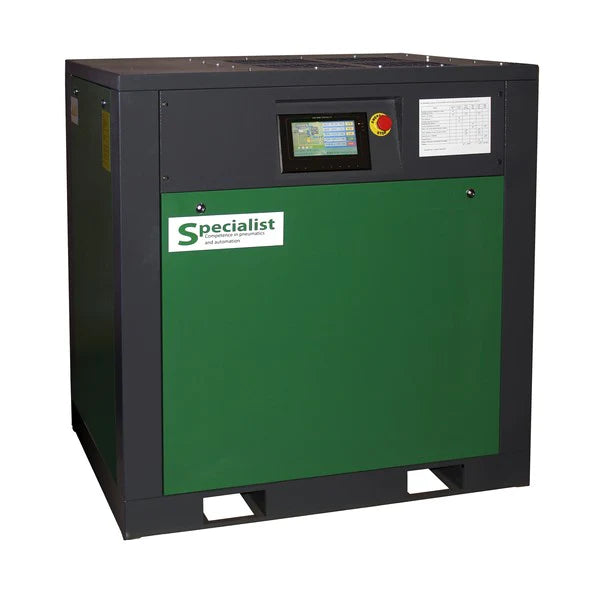
Productivity 300 l/min at 8 bar
Power 2.2 kW
More
244 596,84 UAH
Productivity 3600 l/min at 8 bar
Power 22 kW
More
78 472,68 UAH
Productivity 500 l/min at 8 bar
Power 4 kW
More
158 625,00 UAH
Productivity 2000 l/min at 8 bar
Power 15 kW
More
194 625,00 UAH -9%
175 999,98 UAH
Productivity 3600 l/min at 8 bar
Power 22 kW
More

Compressors for CNC Machines

The operation of CNC machines for metal processing and cutting requires a stable and high-quality flow of compressed air. A correctly selected compressor ensures the reliable operation of pneumatic systems and the CNC machine, allowing for high accuracy and production efficiency. Below, we will discuss the principle of operation of screw compressors, their advantages over piston models, and important criteria for choosing the optimal solution for CNC equipment.

Principle of Operation and Design of Screw Compressor for CNC

A screw compressor operates on the principle of volumetric air compression using two screw rotors. The main element of such a compressor is the screw pair, consisting of leading and driven rotors with an asymmetric profile. As the rotors rotate, they create cavities that draw in air. As the screws move, the volume of the cavities decreases, compressing the air.

Main components of a screw compressor:

  • Screw block (pair of rotors)
  • Electric motor (usually asynchronous)
  • Drive system (direct or belt-driven)
  • Air-oil separator
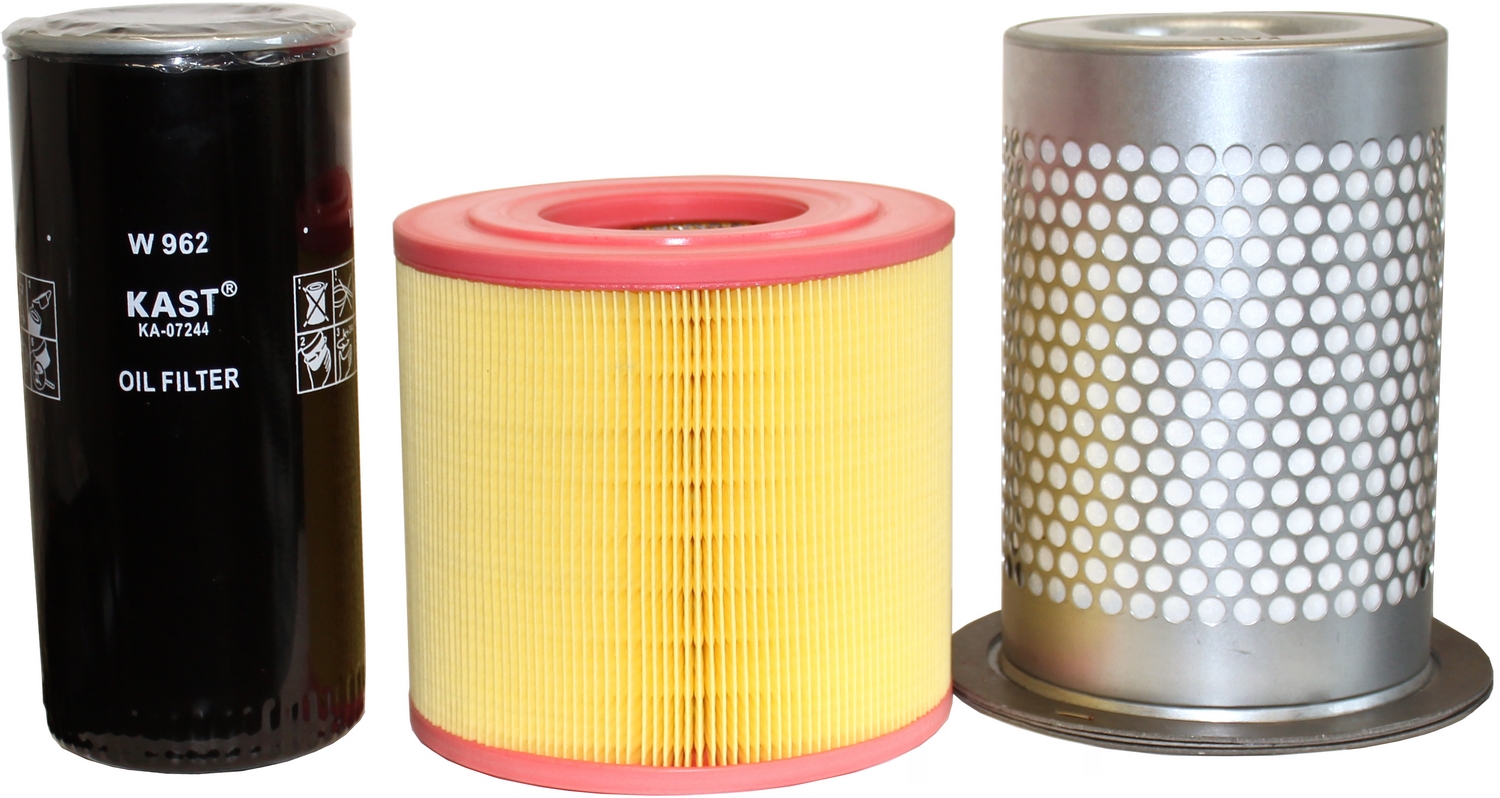
  • Filtration system (air and oil filters)
  • Cooling system
  • Control system (controller)
  • Receiver (in some models)
Structure of screw type compressors for CNC

During operation, screw compressors use oil for several purposes: lubricating moving parts, cooling, and creating a seal between the rotors. After compression, the air-oil mixture passes through a separator where the oil is separated from the air, and the purified compressed air is delivered to the consumer.

Why Screw Air Compressor is Better than Piston for CNC Machine

Screw compressors have several significant advantages over piston models, especially when working with machines and blowers:

  1. Continuous operation mode – screw compressors can work without interruptions for up to 24 hours a day with a power factor of up to 100%, whereas piston models require periodic stops for cooling.
  2. High energy efficiency – the efficiency of a screw compressor is significantly higher, ensuring energy savings during prolonged operation.
  3. Low noise and vibration levels – screw compressors operate much quieter, creating more comfortable conditions in production facilities.
  4. Stable pressure – screw models provide an even air supply without pulsations, which is critically important for precise CNC work.
  5. Long service life – fewer moving and rubbing parts ensure more significant operational resources and reliability.
  6. High quality of compressed air – screw compressors produce a working medium with less oil and impurities, the presence of a receiver reduces pulsations.

Air Filtration System

Filtration technology for CNC machines is of paramount importance. Using an effective filtration system is crucial for protecting pneumatic components from damage and extending their service life.

Main elements of a screw compressor's filtration system:

  • Intake air filter – cleans the atmospheric air sucked into the air compressor from dust and mechanical particles.
  • Oil filter – cleans circulating oil in the system from contaminants.
  • Air-oil separator – separates oil from compressed air.
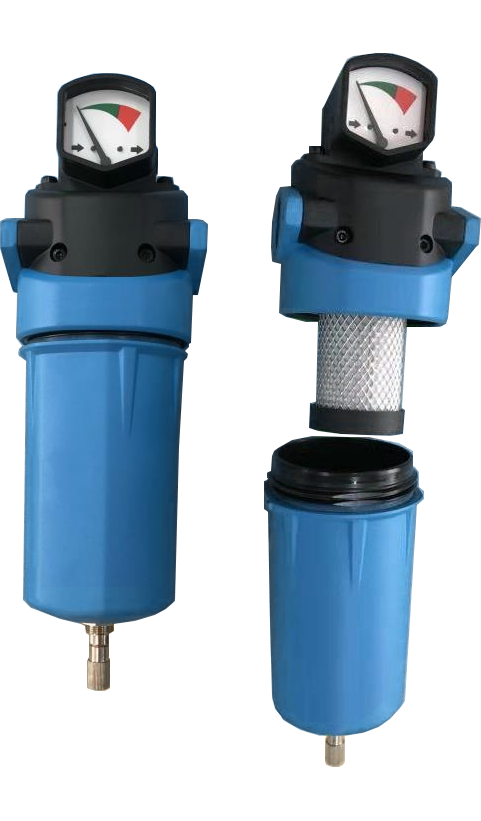
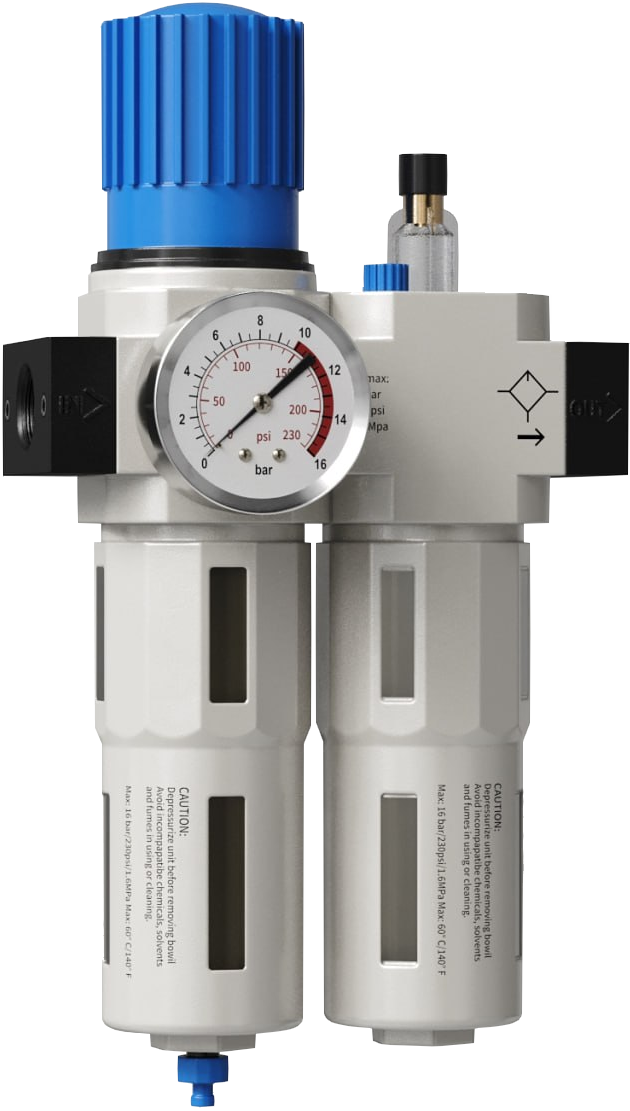
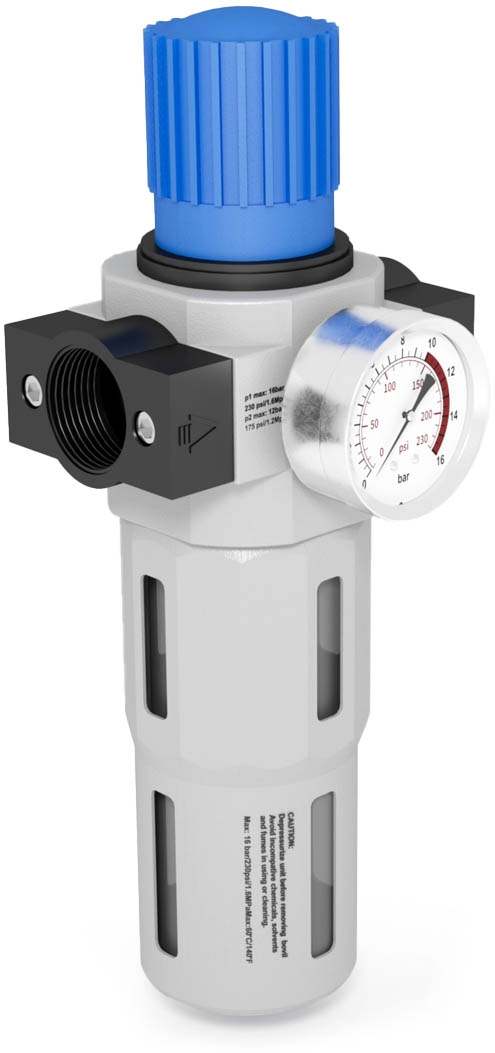
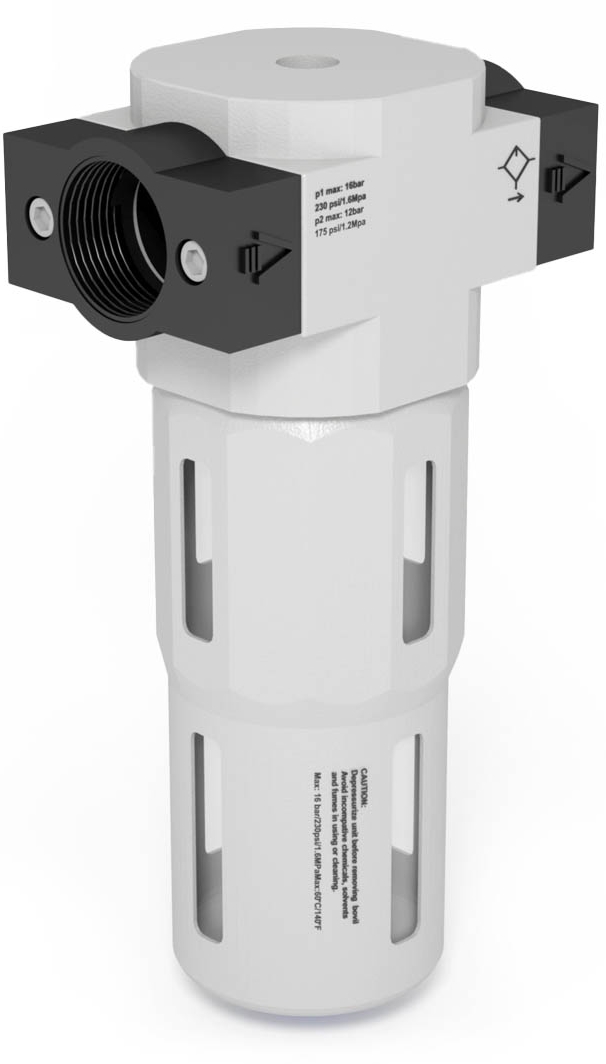
  • Additional fine filters – may be installed at the outlet to ensure the required air purity class.

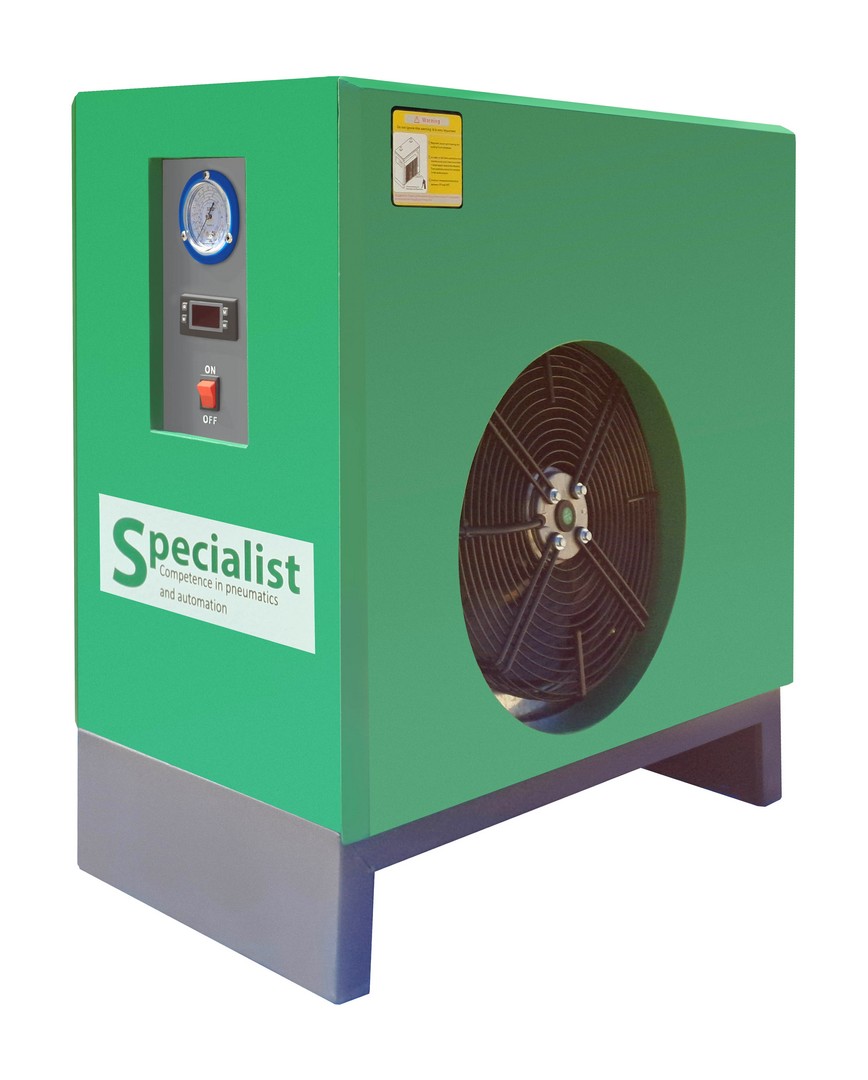
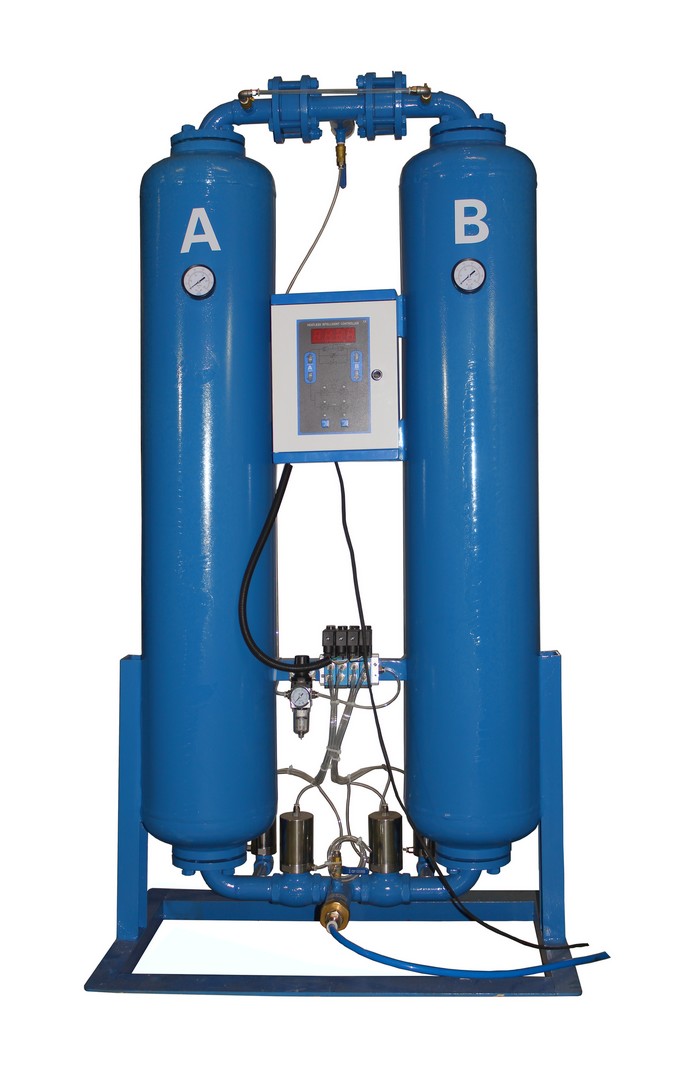
For CNC equipment, it is recommended to additionally use air dryers (usually refrigerated, but sometimes adsorption), which remove moisture from compressed air, preventing corrosion and breakdowns in pneumatic systems operation, reducing sooty deposits during laser cutting and blowing, to minimize deposits on the lens and processing.

Our company always maintains stocks of compressor maintenance kits to provide an air flow supply for your CNC metal cutting and workpiece blowing. The presence of a receiver allows for reduced pulsations.

Optimal Choice of Compressor for CNC

Using two models of compressors from the company "Specialist" as an example, we will consider optimal solutions for different needs:

Air Compressor SCC-CM4.0-05 – Optimal Solution for Small Workshops

The SCC-CM4.0-05 air compressor has small dimensions and a capacity of 500 l/min and is a compact solution for small and medium productions. Key features:

  • Performance: 0.5 m³/min (500 l/min)
  • Pressure: up to 8 bar
  • Engine power: 4 kW
  • Receiver volume: 100 l
  • Power supply: three-phase, 380 V

Features and advantages of the configuration:

  • Direct drive via elastic coupling, which increases power and simplifies maintenance
  • Metal pipelines for increased durability
  • Efficient filtration system with a paper air filter and oil separator for optimal air flow.
  • Air cooling system with two fans
  • The air compressor is mobile thanks to the wheels and handle included in the kit

This air compressor is ideal for powering small pneumatic tools, CNC lasers for metal processing, automotive workshops.

Air Compressor SCC-ZAY-20 – Powerful Solution for Industrial Applications

For large productions with high productivity requirements, the model SCC-ZAY-20, which is always available, is the optimal choice:

  • Power: 15 kW

  • Flow rate: from 1.7 to 2.4 m³/min depending on pressure

  • Pressure: from 7 to 12 bar

  • Power supply: three-phase, 380 V, 50 Hz

Key advantages:

  • Built-in frequency converter for performance adjustment and energy savings
  • Modern controller with touch display and Wi-Fi support for remote monitoring
  • High-quality components and durability
  • Ready for connection and operation
  • Integration into complex compressed air preparation systems

What to Consider When Choosing a Compressor for CNC

  1. Performance – should match the total consumption of all pneumatic equipment with a 20-30% margin.
  2. Pressure – almost every machine requires a pressure of 6–8 bar, but it is necessary to consider the specific requirements of the equipment used.
  3. Air quality – especially important for precision CNC machines to reduce combustion products that can damage the laser lenses; it is recommended to choose compressors with an effective filtration system.
  4. Reliability and longevity – screw compressors with direct drive are usually more reliable and easier to maintain.
  5. Energy efficiency – a model with a frequency converter allows a significant reduction of energy consumption under variable loads.
  6. Noise level – an important factor for comfortable working conditions; screw compressors are significantly quieter than piston ones.
  7. Availability of spare parts and service – choose suppliers who provide spare parts and service support.

Conclusion: How to Choose the Best Compressor for CNC and What to Pay Attention To

Screw compressors are the optimal choice for CNC systems due to their ability to operate continuously, provide stable pressure, and produce high-quality compressed air. Selecting the right compressor, considering the required performance, pressure, and air quality will ensure reliable and efficient CNC equipment operation.

The compressors presented in the article from the company "Specialist" – the SCC-CM4.0-05 model for small productions and the SCC-ZAY-20 model for industrial use – demonstrate modern technologies and the advantages of screw compressors for various scales of production. When choosing, pay attention not only to technical parameters but also to ease of maintenance, energy efficiency, and availability of service support. In 2025, our price is one of the best on the Ukrainian market.

Show more