How to Choose the Best Compressors for Pneumatic Tools: Useful Tips
In today's world of construction, repair, and manufacturing, pneumatic tools have become indispensable due to their reliability, efficiency, and durability. However, the effectiveness of pneumatic tools directly depends on the proper compressor selection, which provides the necessary volume of compressed air at the required pressure. In this article, we will discuss the key aspects of choosing a compressor for pneumatic tools, the advantages of a screw compressor over piston ones, and present a comparative analysis of Specialist screw compressors for various tasks.
Screw vs Piston Compressors: What to Choose and Why?
The first and one of the most important choices to make when buying a compressor is to decide on the type. The market offers two main types: piston and screw compressors. While piston models are more common due to their affordability, screw compressors have several significant advantages, making them the ideal choice for serious professional tasks.
Screw Compressor for Pneumatic Tools, What are the Advantages:
-
Continuous Operation Mode — Screw compressors are designed for long-term operation without breaks, which is critically important for production processes and intense jobs. Unlike them, most piston compressors require periodic cooling breaks (usually 15-20 minutes of work, then 10-15 minutes of break).
-
High Efficiency — Screw compressors have a significantly higher efficiency rate. Due to the optimized design of the screw pair, they convert up to 90% of the spent energy into compressed air, whereas in piston compressors, this rarely exceeds 60-70%.
-
Low Noise Level — Thanks to the absence of reciprocal motion and more balanced design, screw compressors operate much quieter. This is especially important when used in enclosed spaces or at sites with high acoustic comfort requirements.
-
Performance Stability — Screw compressors provide a more stable airflow without pulsations and pressure fluctuations, positively affecting the pneumatic tool’s operation and the quality of performed tasks.
-
Increased Service Life — The average lifespan of a screw compressor is several times that of piston models. This is due to fewer moving parts and more even load distribution.
-
Lower Operating Costs — Despite higher initial costs, screw compressors are more economical in the long run due to less frequent maintenance and parts replacement.
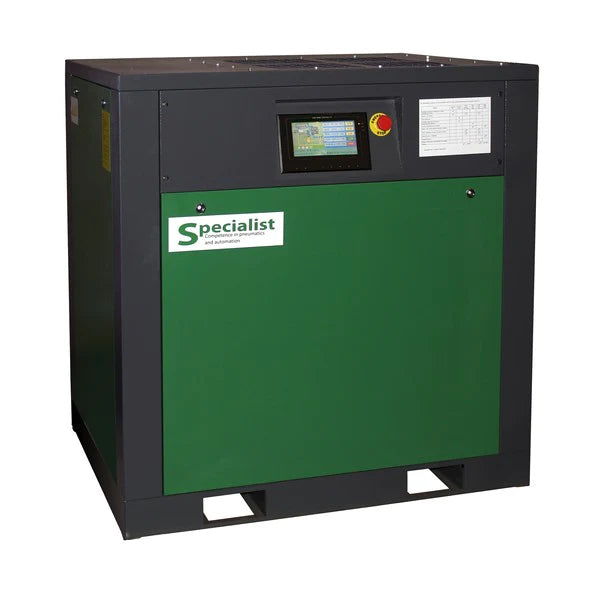
For example, the SCC-CM4.0-05 screw compressor with a capacity of 500 l/min can run continuously all day, providing stable air supply for pneumatic tools in a car service or production workshop. Meanwhile, a piston compressor with a similar capacity requires cyclic operation with breaks, which can slow down production processes.
Calculating the Required Air Volume for Pneumatic Tools
Accurate calculation of the required air volume is a cornerstone in choosing a compressor. Insufficient capacity will lead to tool malfunctions, while excessive capacity will cause unjustified financial expenses.
Steps to Calculate the Required Air Volume:
-
Determine Air Consumption for Each Tool. This parameter is usually indicated in the tool's technical documentation in litres per minute (l/min) or cubic metres per minute (m³/min). For example:
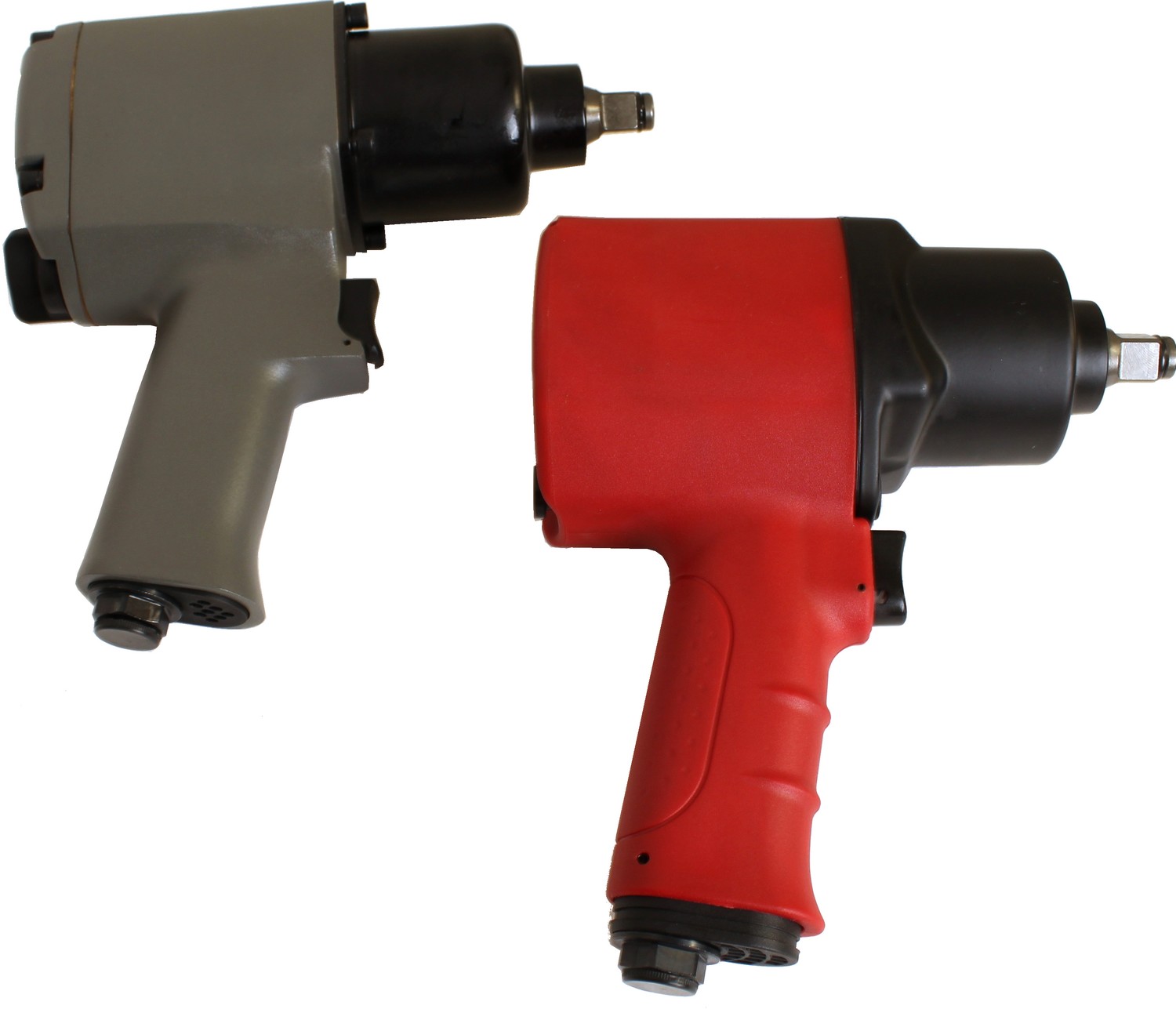
- Pneumatic Impact Wrench: 100-250 l/min
- Spray Gun: 200-400 l/min
- Sandblaster: 300-700 l/min
- Pneumatic Grinder: 150-300 l/min
-
Calculate the Simultaneity Coefficient. If multiple tools are planned for simultaneous use, a simultaneity coefficient, usually 0.7-0.9, must be considered. Calculation formula: Total Air Consumption = (Consumption 1 + Consumption 2 + ... + Consumption N) × Simultaneity Coefficient
-
Add Performance Reserve. It is recommended to add 20-30% to the obtained value to ensure performance reserve and compensate for possible system leaks.
-
Consider Cyclical Usage. For tools with an intermittent usage mode (e.g., impact wrenches), a reduction coefficient of 0.5-0.7 can be applied to their air consumption.
Calculation Example:
Suppose a car workshop plans to simultaneously use two pneumatic impact wrenches (200 l/min each) and one spray gun (300 l/min). The simultaneity coefficient is 0.8. Performance reserve is 20%.
Total Air Consumption = (200 + 200 + 300) × 0.8 = 560 l/min Considering reserve: 560 × 1.2 = 672 l/min
Therefore, to ensure stable operation of all tools, a compressor with a capacity of no less than 672 l/min or 0.672 m³/min is required.
Importance of the Air Purification and Lubrication System
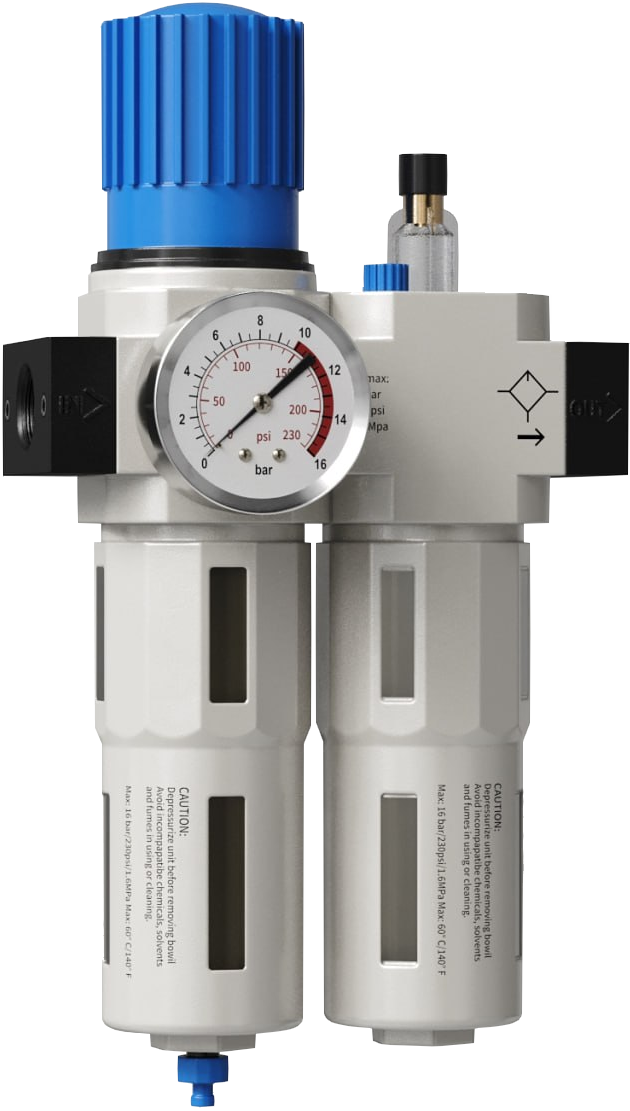
The quality and volume of compressed air directly affect the tool’s performance and longevity. Insufficiently purified air can contain moisture, oil, and mechanical particles, which may cause corrosion of pneumatic tools' internal parts, accelerate seal wear, and cause malfunctions.
Air Purification System Components and Their Functions:
-
Air Filters — remove mechanical particles and dust from the intake air, preventing them from entering the compressor and tool. For example, the SCC-CM4.0-05 compressor features a quality paper filter in the air intake.
-
Moisture Separators and Dryers — remove condensate formed during air compression. There are different types of dryers:
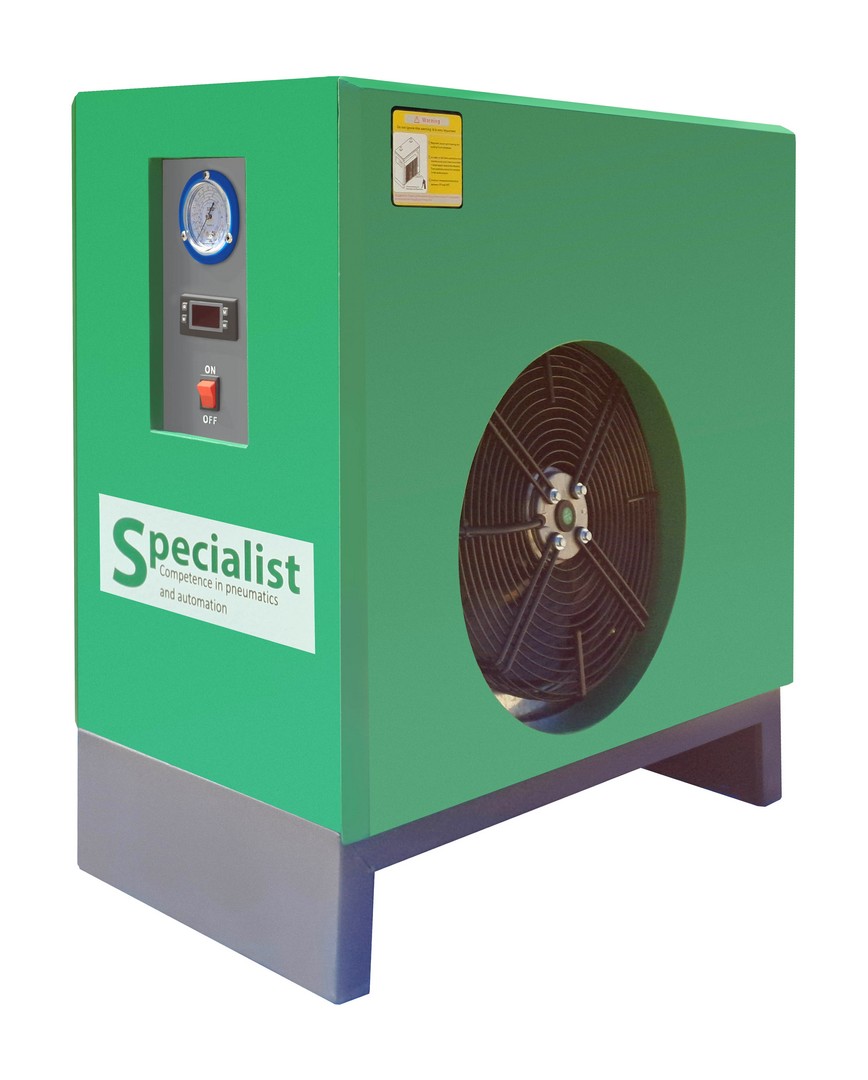
- Refrigerated (Cooling) — cool the air for moisture condensation, if moisture-free air delivery is important, the manufacturer guarantees a dew point of +3 degrees. The average power of the equipment is 400 W, with a network connection voltage of 220 V.
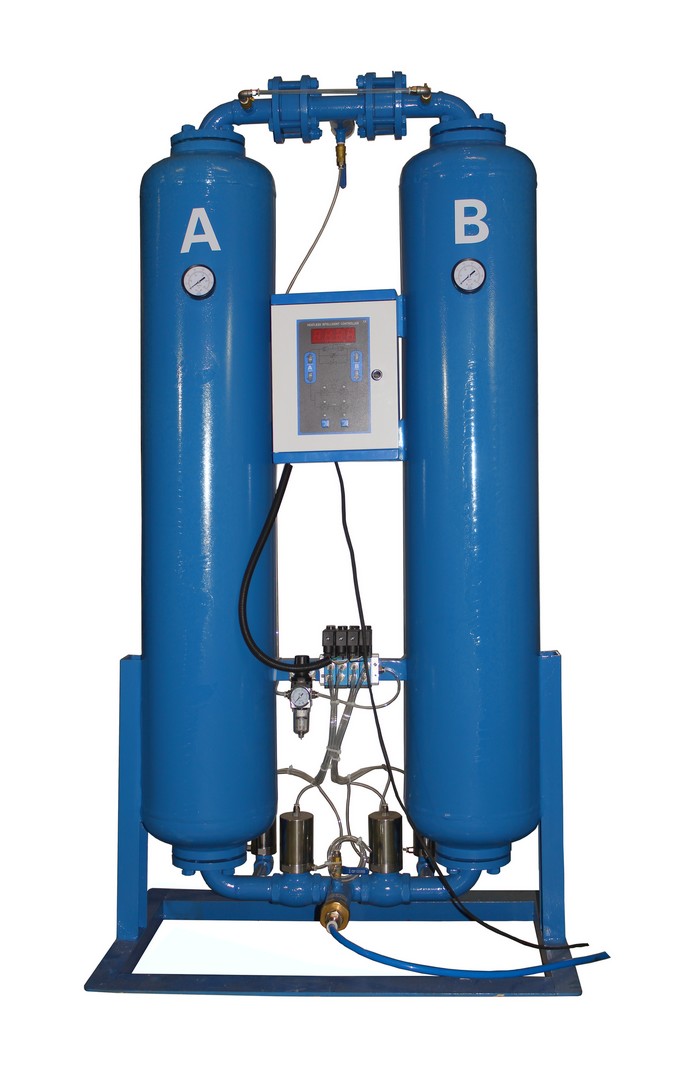
- Adsorption — use special materials to absorb moisture, usually an extra option for home users with spray guns.
- Membrane — use selective membranes to separate moisture, usually needed for pharmaceutical and food industries.
-
Oil Filters — remove oil particles from the air that might enter the system from the compressor. This is particularly important when working with paint equipment where oil presence in the air is unacceptable.
-
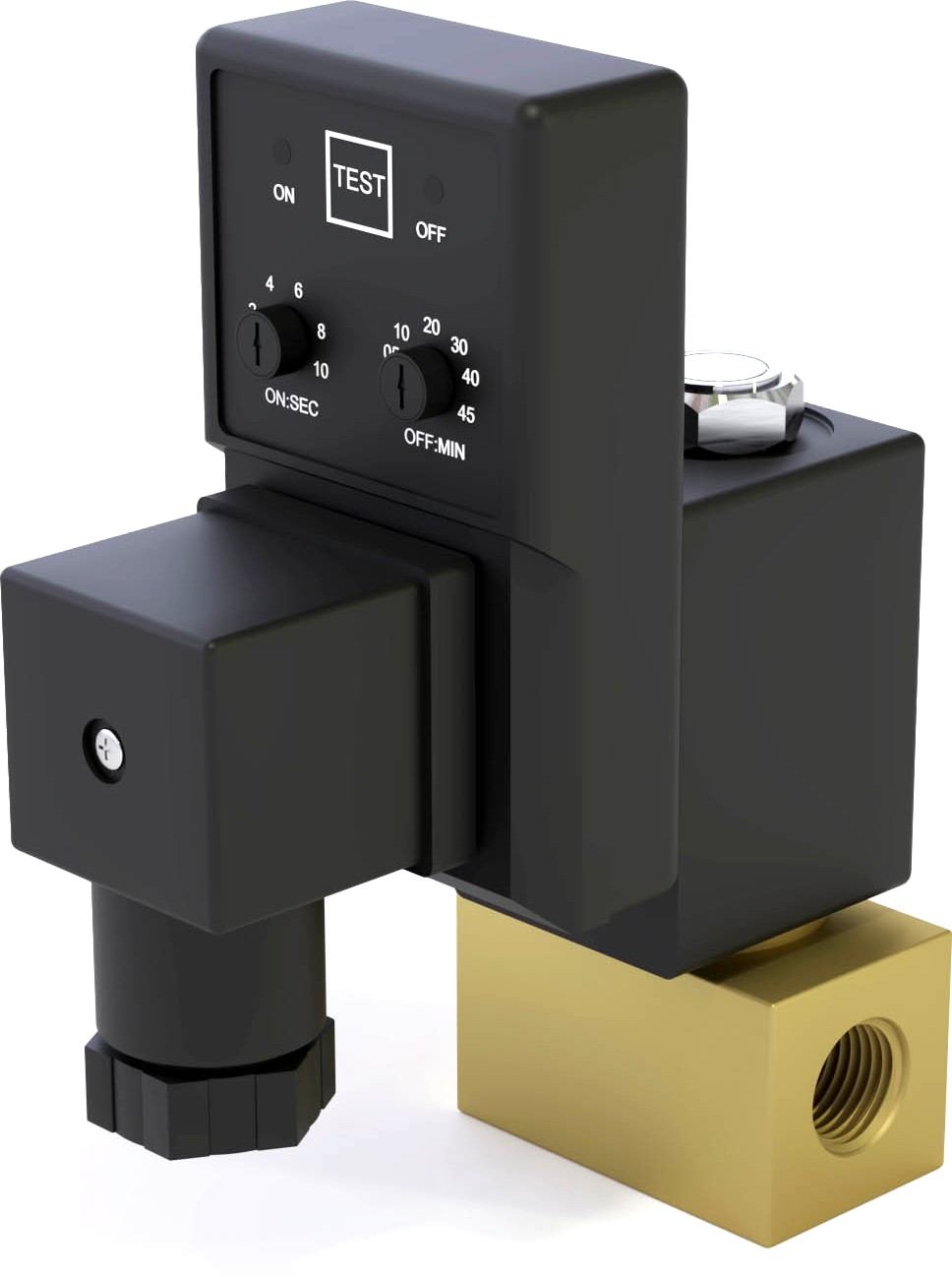
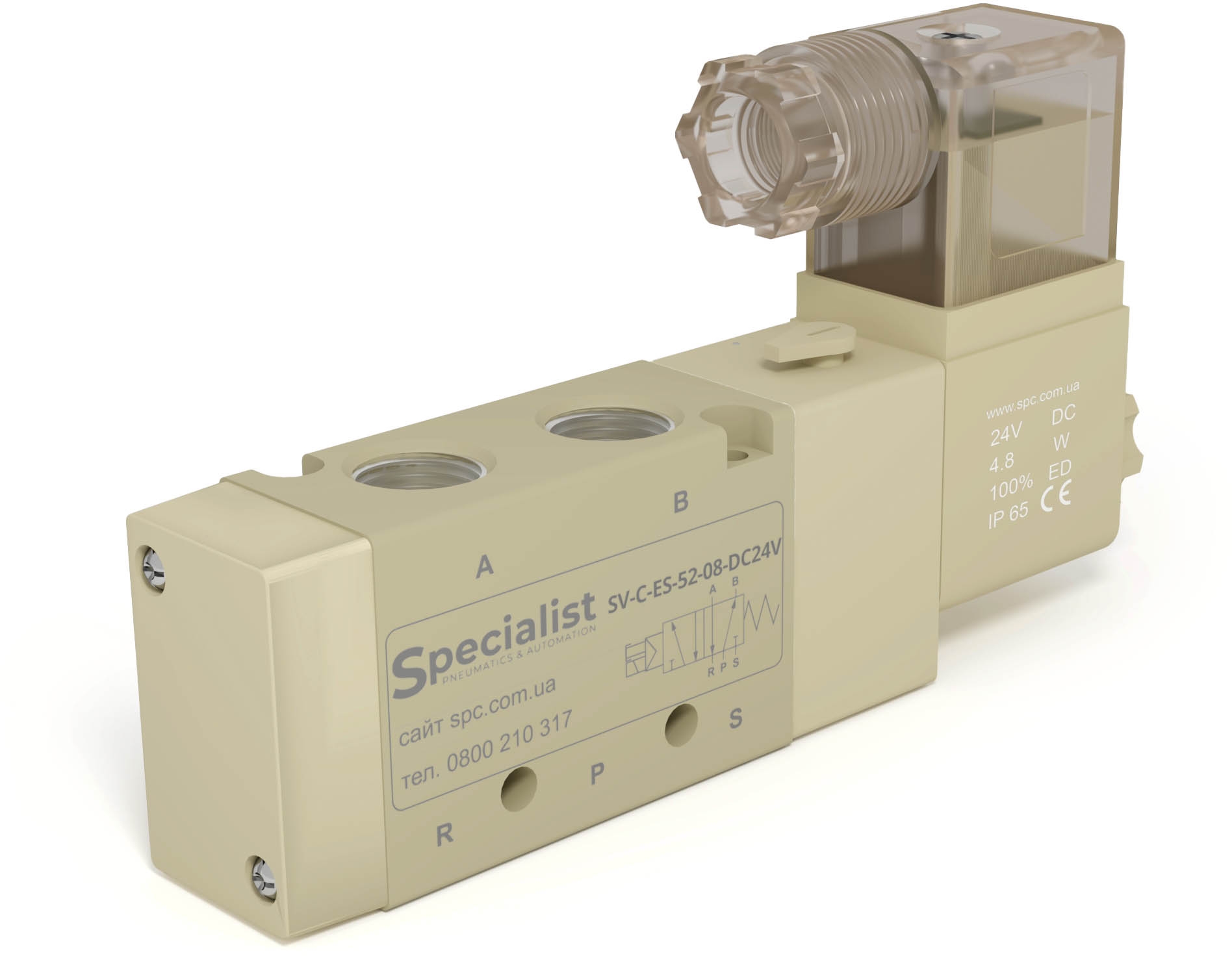
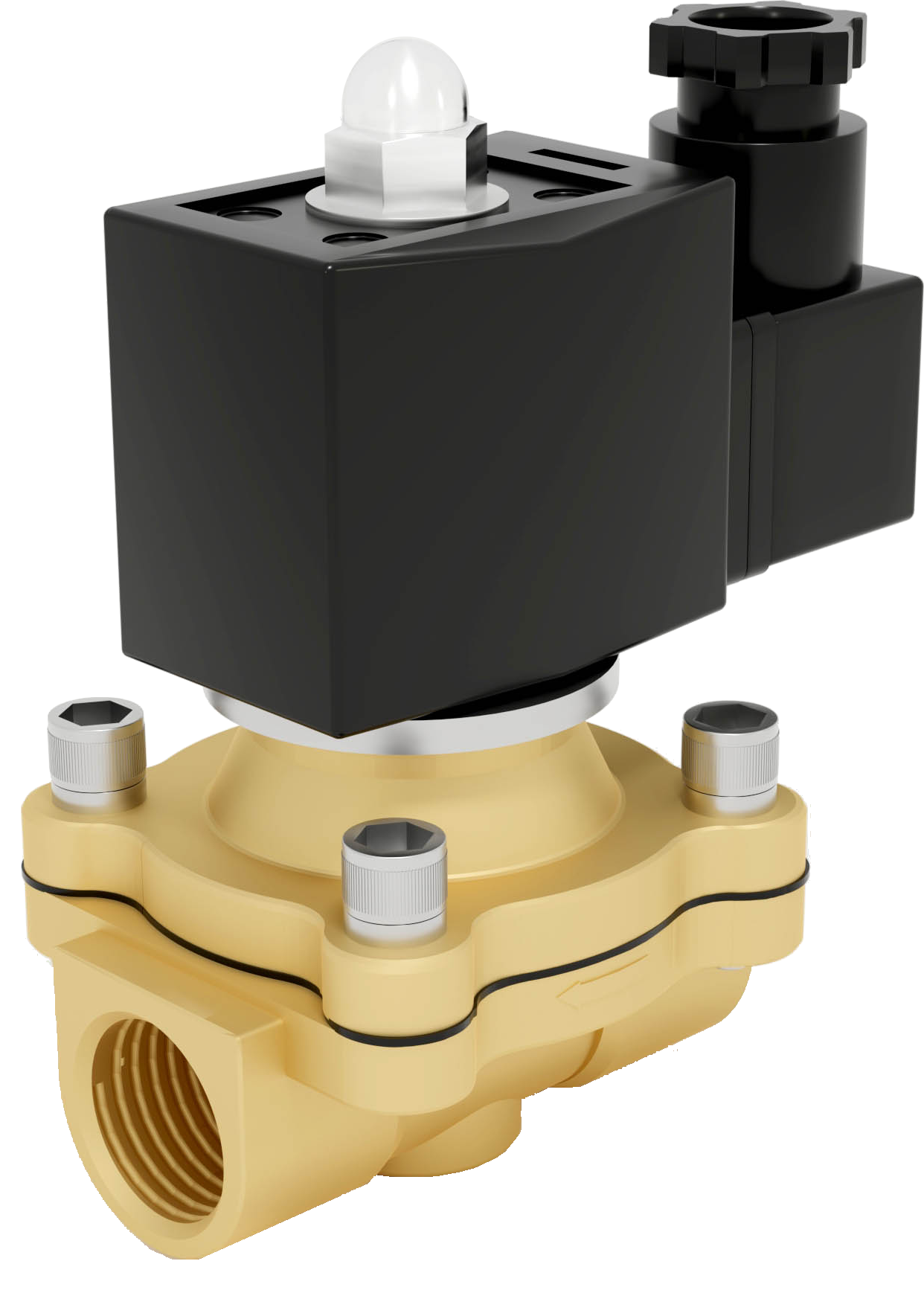
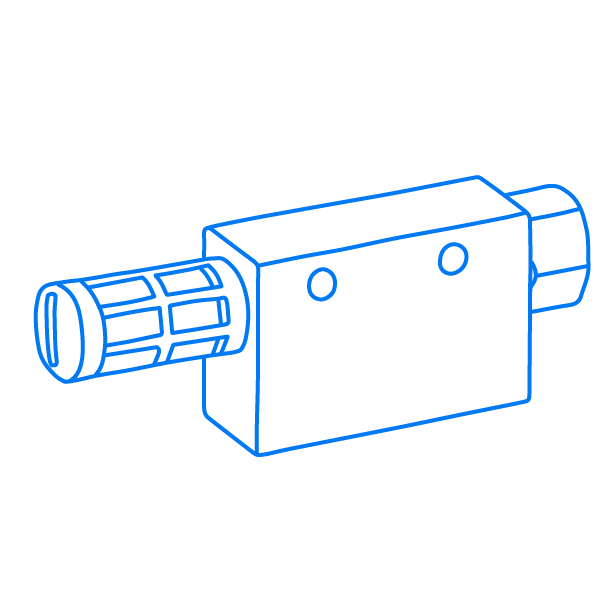
Automatic Condensate Drain Systems — regularly remove accumulated moisture from the receiver and other system elements, preventing it from entering the pneumatic tool and causing metal parts corrosion. For the SCC-CM4.0-05 compressor, it is recommended to install a condensate drain valve series SV-FDA with a built-in pre-filter.
Lubrication System:
Many pneumatic tools require constant lubrication to reduce friction and wear. There are two main approaches to meeting this requirement:
-
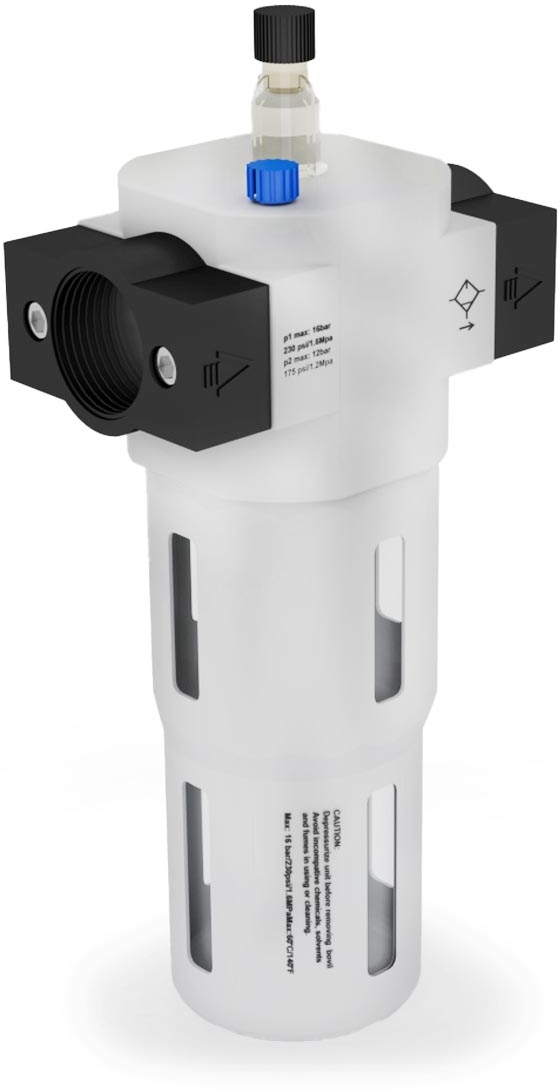
Centralized Lubrication System — installed in the pipeline and provides automatic delivery of a precisely measured amount of oil into the air stream. This is particularly convenient when working with a large number of tools.
-
Individual Lubricators — installed directly before the tool and provide targeted lubrication.
A well-organised air purification and lubrication system can increase the lifespan of pneumatic tools by 2-3 times and significantly reduce repair and maintenance costs.
Comparative Analysis of Specialist Screw Compressors
The "Specialist" online store offers two main types of screw compressors that are distinguished by their technical characteristics and are optimal for various pneumatic tools. Let's consider their features and areas of application.
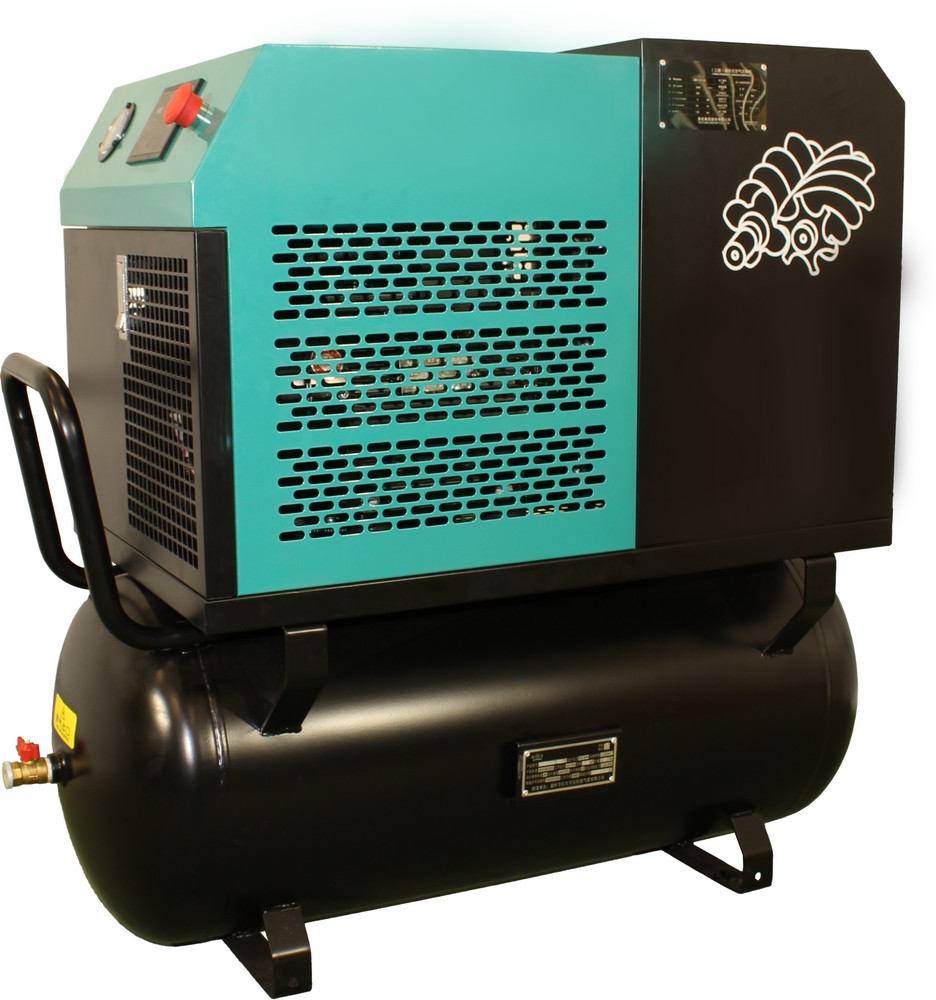
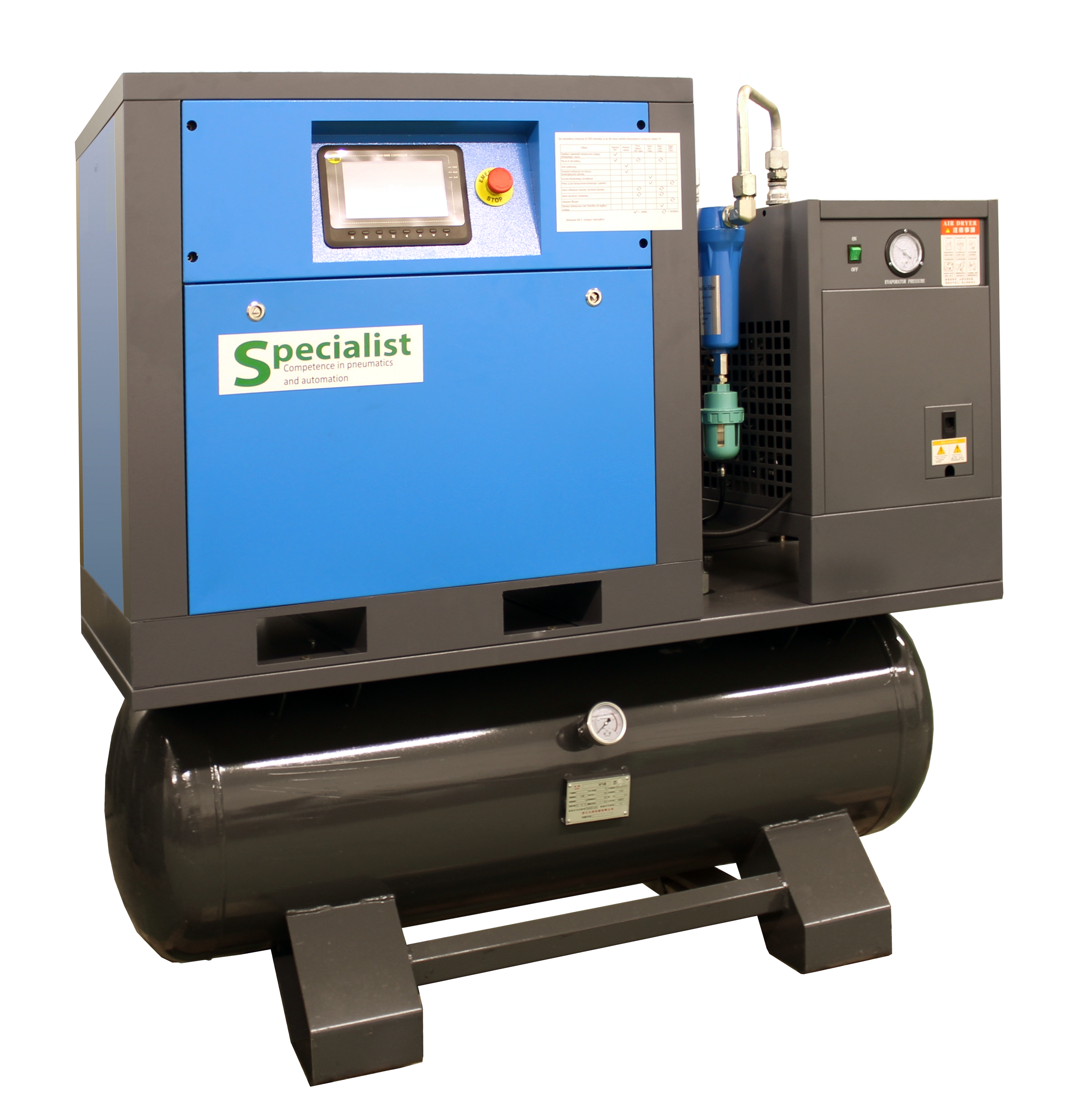
Compressor SCC-CM4.0-05: Mobility and Basic Functionality
Key Characteristics:
- Capacity: 500 l/min (0.5 m³/min)
- Pressure: up to 8 bar
- Motor Power: 4 kW
- Receiver Volume: 100 l
- Network Connection: Three-phase, 380 V
- Dimensions: 1000×445×1100 mm
- Weight: 112 kg
- Warranty Period - 12 months
- 24/7 support and product selection consultations
Design Features:
- Direct Drive through Elastic Coupling (no belt drive)
- Metal Pipeline for Enhanced Durability
- Air and Oil Filtration System
- Air Cooling System
- Controller with LCD Display
- Movable Design with Wheels
Optimal Areas of Application:
- Small and Medium-Sized Car Workshops and Service Stations, Small Pneumatic Tools
- Mobile Repair Teams
- Small Productions with Periodic Use of Pneumatic Tools
- Tire Repair Workshops
- Small Volume Spray Painting
This compressor for pneumatic tools is optimally suited for use with such pneumatic tools as spray guns, pneumatic wrenches, tire inflation guns, small power sandblasting guns, grinders, and other tools with air consumption not exceeding 500 l/min. The receiver volume will help optimize work parameters and use the compressor more rationally.
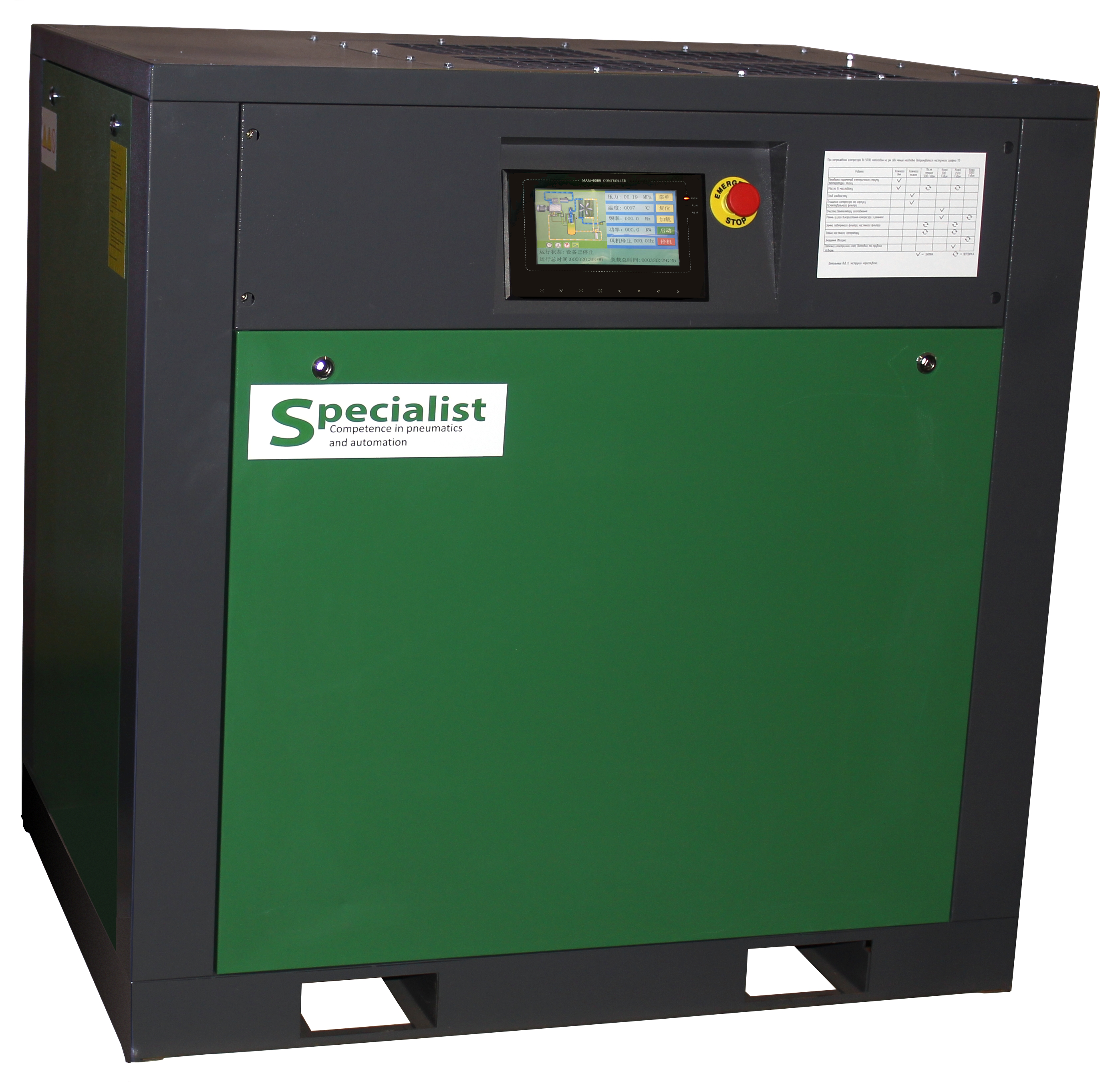
Compressor SCC-ZAY-10: High Performance and Intelligent Control
Key Advantages:
- Capacity: 0.8-1.2 m³/min (800-1200 l/min) depending on installed pressure
- Pressure: 7-12 bar (adjustable)
- Motor Power: 7.5 kW
- Network Connection: Three-phase, 380 V
- Built-in Frequency Converter
- Control System with Touch Display and Cyrillic Support
- Remote Monitoring Capability via Wi-Fi
- Protection Degree: IP23
- Warranty Period - 12 months
- 24/7 consultations on product selection and job type
Design Features and Capabilities:
- High-Efficiency Screw Block
- Direct Drive from Electric Motor
- Air-Oil Separator
- Comprehensive Oil Pipeline System
- Efficient Cooling System
- Intelligent Control System
Optimal Areas of Application:
- Manufacturing Enterprises
- Large Car Services with Parallel Operation of Several Stations
- Construction Sites with High Air Volume Requirements
- Woodworking Enterprises
- Metalworking Enterprises
- Production Lines with Pneumatic Components
This compressor is suitable for the simultaneous operation of several pneumatic tools or for powering energy-intensive equipment such as high-performance sandblasting installations, paint booths, pneumatic machines, and conveyor systems.
Compressor Task Compatibility Table

Features of Operation and Maintenance of Screw Compressors
To ensure prolonged and reliable operation of screw compressors, a number of rules regarding their operation and maintenance must be followed:
-
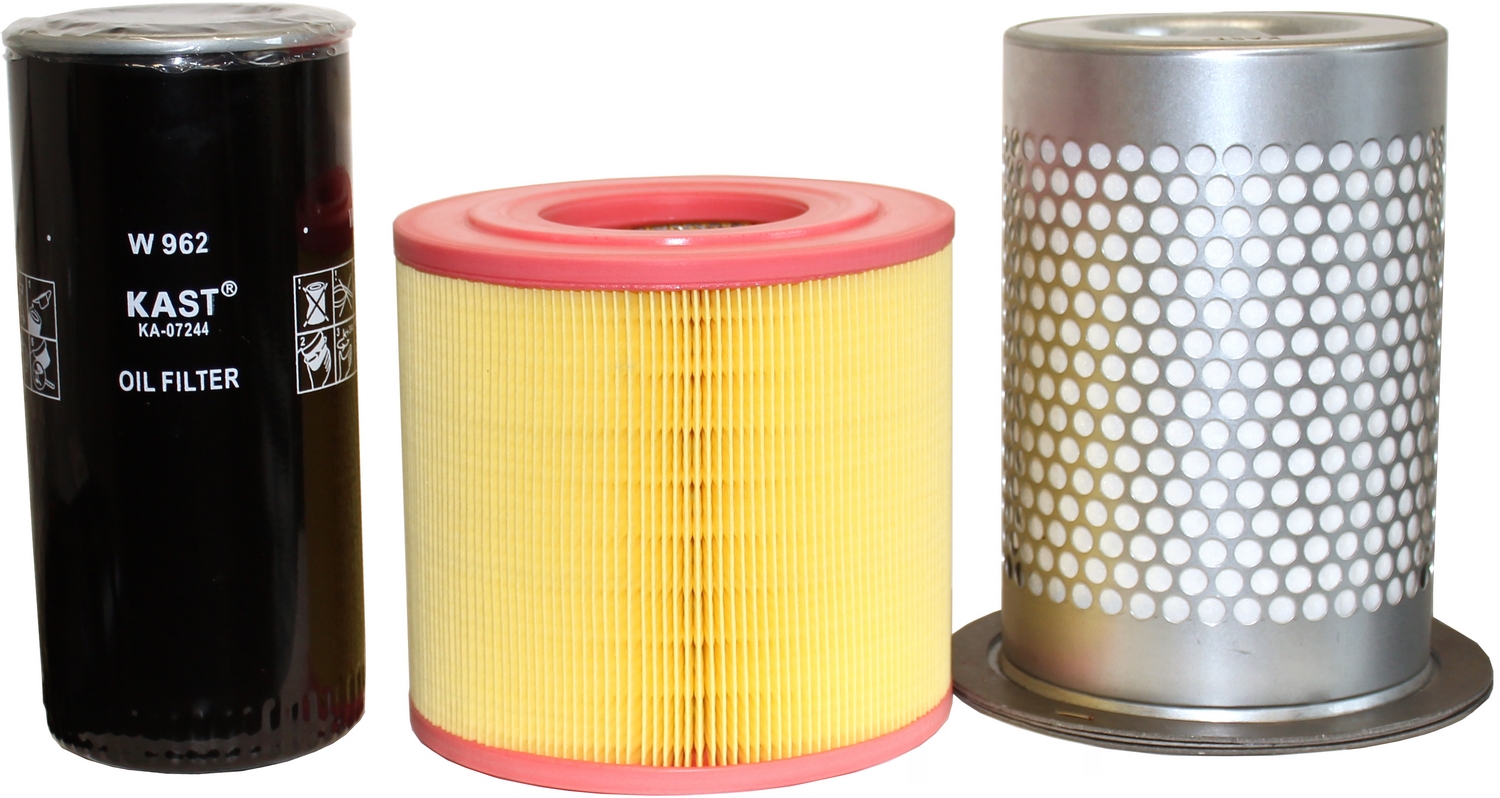
Regular Filter Replacement — Air, oil, and separator filters should be replaced according to the technical maintenance schedule. For Specialist compressors, the company maintains the availability of original filters in Ukrainian warehouses.
-
Oil Level and Condition Control — Only manufacturer-recommended specialized compressor oils should be used, and their level should be regularly checked.
-
Condensate Draining — Regularly draining condensate from the receiver prevents corrosion and increases equipment longevity. Installing automatic condensate drain valves is recommended.
-
Ensuring Proper Ventilation — Compressors should be installed in well-ventilated areas for effective heat dissipation.
-
Adhering to Work Modes — Even screw compressors have specific work mode limitations that should be observed for maximum lifespan.
-
Timely Technical Maintenance — Performing regular maintenance according to manufacturer's recommendations ensures stable operation and maximum compressor life. Extend the service life by purchasing original filters.
Comprehensive Solutions for Compressed Air
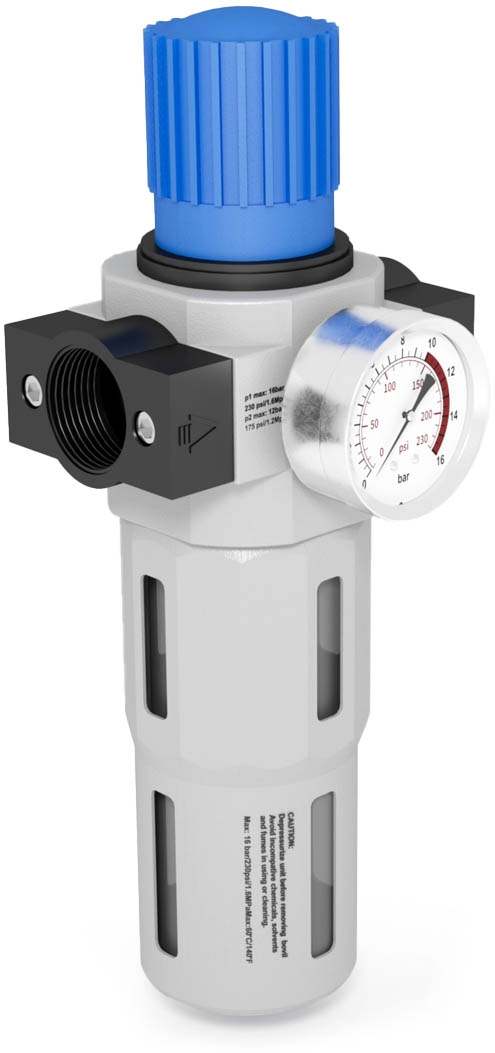
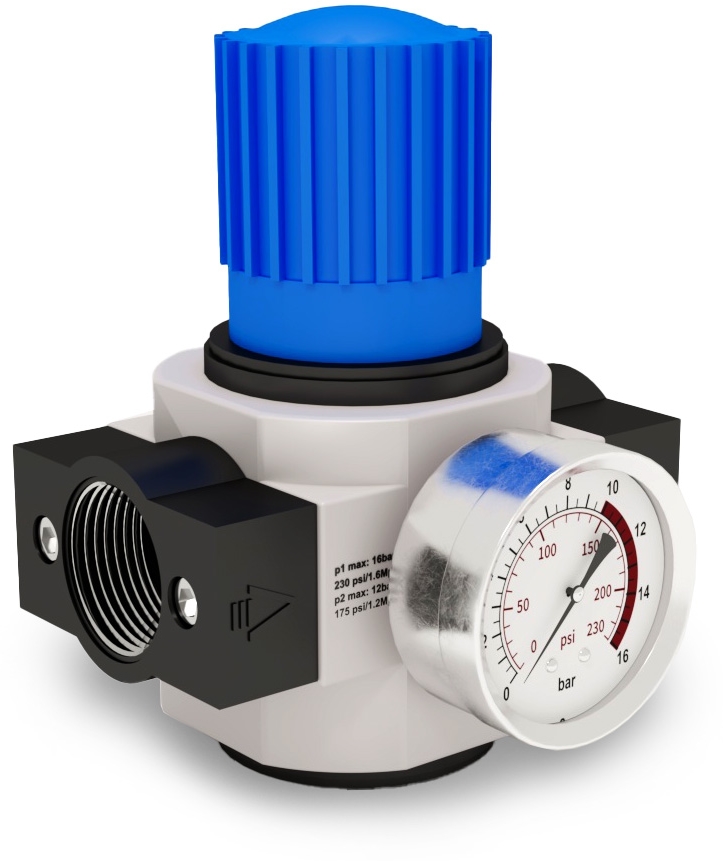
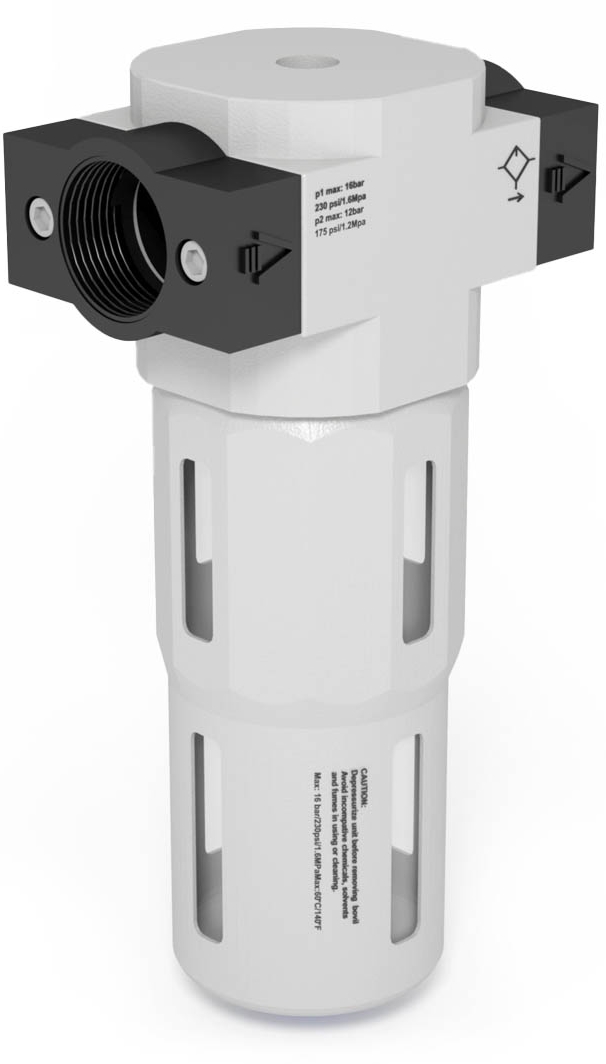
For maximum efficiency and longevity of the pneumatic system, the "Specialist" company offers comprehensive solutions, including not only compressors but also additional equipment with its main parameters:
-
Air Dryers — Refrigeration and adsorption types for moisture removal from air.
-
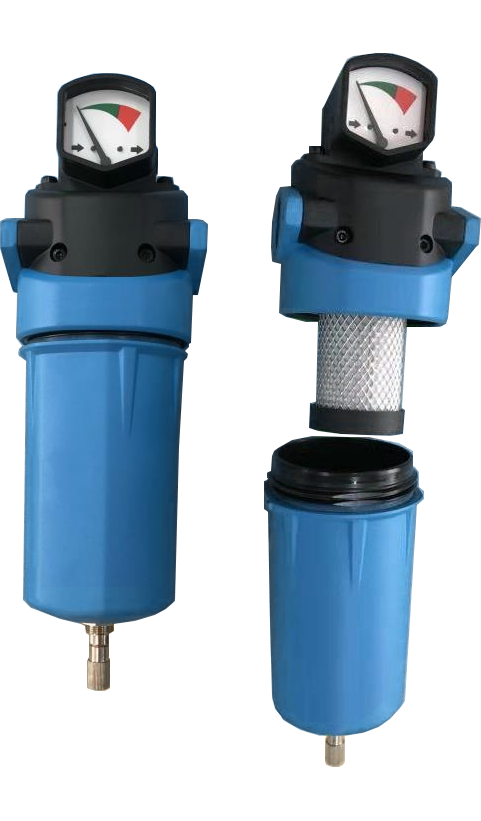
Variety of Filters — For removing mechanical particles, oil, and moisture from the air.
-
Additional Volume Receivers — For pressure stabilization and creating a compressed air reserve.
-
Automatic Condensate Drain Systems — For moisture removal from receivers and filters.
-
Oil Systems — For providing pneumatic tool lubrication.
-
Pipeline Systems — For effective delivery of compressed air to consumption points.
A comprehensive approach allows for creating the optimal compressed air system that meets specific needs of an enterprise or workshop.
Answers to Frequently Asked Questions
Which Air Compressor is Best for Pneumatic Tools?
For professional use of pneumatic tools, screw compressors, like the Specialist line, are the optimal choice. They provide continuous operation, stable pressure, and high efficiency. For small workshops and occasional use, the SCC-CM4.0-05 model with a 500 l/min capacity is suitable, and for more serious tasks and simultaneous use of multiple tools, the SCC-ZAY-10 with a capacity up to 1200 l/min is recommended.
How Many Bars are Needed for Pneumatic Tools?
Most pneumatic tools operate at a pressure of 6-8 bars. For example:
- Pneumatic Wrenches: 6-7 bars
- Spray Guns: 2-4 bars (regulator required)
- Sandblasting Guns: 5-8 bars
- Pneumatic Grinders: 6-6.5 bars
- Pneumatic Drills and Jackhammers: 6-7 bars
Specialist Series SCC-CM4.0-05 compressors provide pressure up to 8 bars, covering the needs of most pneumatic tools. For specialized tasks requiring higher pressure, the SCC-ZAY-10 model, capable of creating pressure up to 12 bars, is suitable.
What Compressor Capacity is Needed for a Pneumatic Gun?
For a standard spray pneumatic gun with a nozzle of 1.3-1.8 mm, an average of 200-400 l/min of compressed air is needed at 2-4 bars of pressure. For a sandblasting gun, the consumption ranges from 300-700 l/min depending on the nozzle size and abrasive material.
The SCC-CM4.0-05 compressor with a capacity of 500 l/min is optimally suited for working with one spray or sandblasting gun in a continuous operation mode. For simultaneous operation of multiple guns or for industrial use, the SCC-ZAY-10 model is recommended.
How to Choose a Compressor for Pneumatic Tools?
The process of selecting a compressor for pneumatic tools involves several steps:
-
Determine Total Air Consumption of all simultaneously used tools considering the simultaneity coefficient (usually 0.7-0.9).
-
Add 20-30% Reserve to the obtained value to compensate for possible leaks and ensure stable operation.
-
Determine the Required Pressure — it should equal or exceed the maximum working pressure of the tools used.
-
Evaluate the Work Mode — if continuous usage of tools is planned, select a screw compressor type SCC-CM4.0-05 or SCC-ZAY-10.
-
Consider Operating Conditions — For mobile use, a compressor on wheels is suitable, for stationary installation, a model with fixing capability.
-
Consider Additional Requirements — need for an air dryer, oil filters, automatic condensate drain system, etc.
By following these recommendations and consulting with the specialists at the "Specialist" company, you can choose an optimal compressor that provides efficient and long-lasting work for your pneumatic tools.






 In Stock


 Out of Stock