

Mon-Fri from 9:00 to 18:00
Sat-Sun Closed
Contact us
Catalog
Main menu
Catalog

Vector Control Frequency Inverters

Sort By:
Default
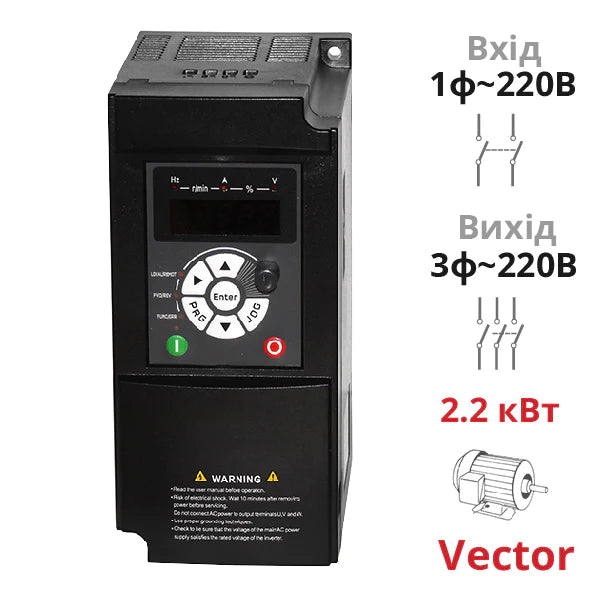
15 035,66 UAH -15%
12 717,66 UAH
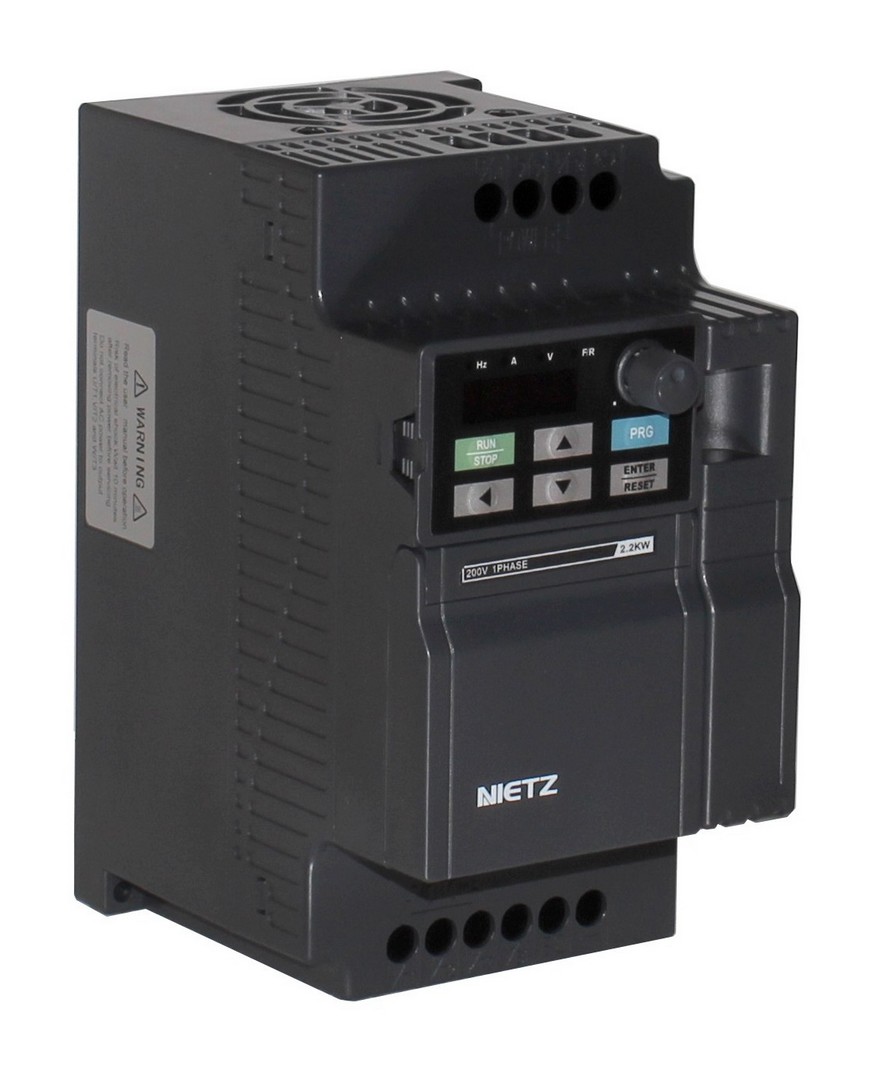
Operating mode Scalar and vector control
Output frequency 1 to 800 Hz
Output voltage 3ph 380V
Supply voltage 1ph 220V
Power 2.2 kW
More
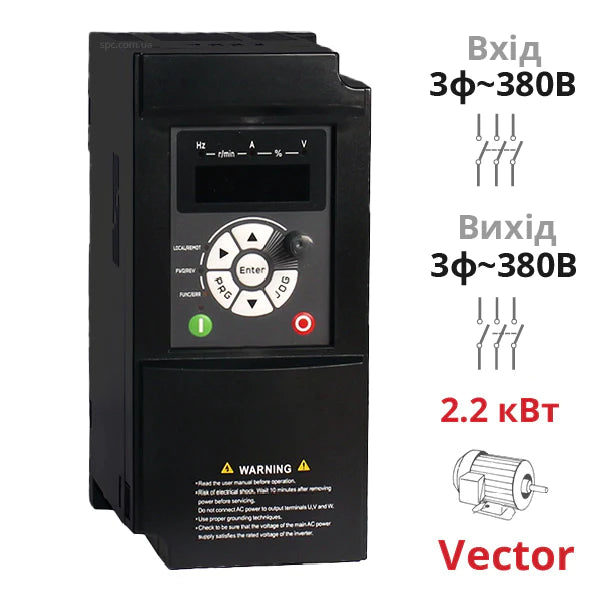
12 436,09 UAH -25%
9 326,28 UAH
Operating mode Scalar and vector control
Output frequency 0 to 600 Hz
Output voltage 3ph 220V
Supply voltage 1ph 220V
Power 2.2 kW
More
10 854,85 UAH -25%
8 140,86 UAH
Operating mode Scalar and vector control
Output frequency 0 to 600 Hz
Output voltage 3ph 380V
Supply voltage 3ph 380V
Power 2.2 kW
More
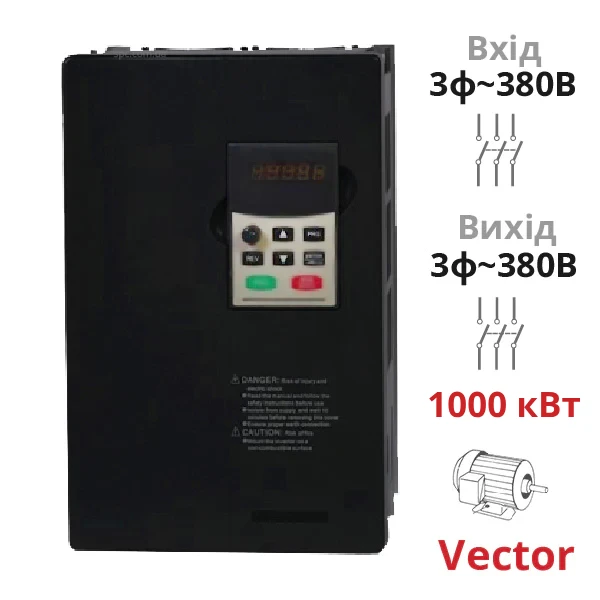
1 563 075,00 UAH -9%
1 406 767,98 UAH
Operating mode Scalar and vector control
Output frequency 0.1 to 3200.0 Hz (V/f)
Output voltage 3ph 380V
Supply voltage 3ph 380V
Power 1000 kW
More

Vector Control Frequency Inverters

What is a Vector Frequency Converter?

The vector control frequency inverter operates based on the principle of vector control of the flux and torque of an asynchronous motor at 380V. Unlike scalar converters, they allow for the separate control of the rotor flux linkage and the electromagnetic torque of the motor.

You can buy a modern frequency converter at our store in a wide range of power: from kilowatts to megawatts. For example, you can purchase a vector frequency inverter ranging from 5.5 kW to 1200 kW.

An exception is the vector boost converters 220/380 of the Nietz Electric NZ2200 series, which convert a single-phase input voltage of 220V into a three-phase output voltage of 380V. These 220 to 380 frequency converters reach up to 15 kW in power.

Vector frequency inverters have two main types of control: without a feedback sensor and with a feedback sensor installed directly on the electric motor. You can read more about this in our article.

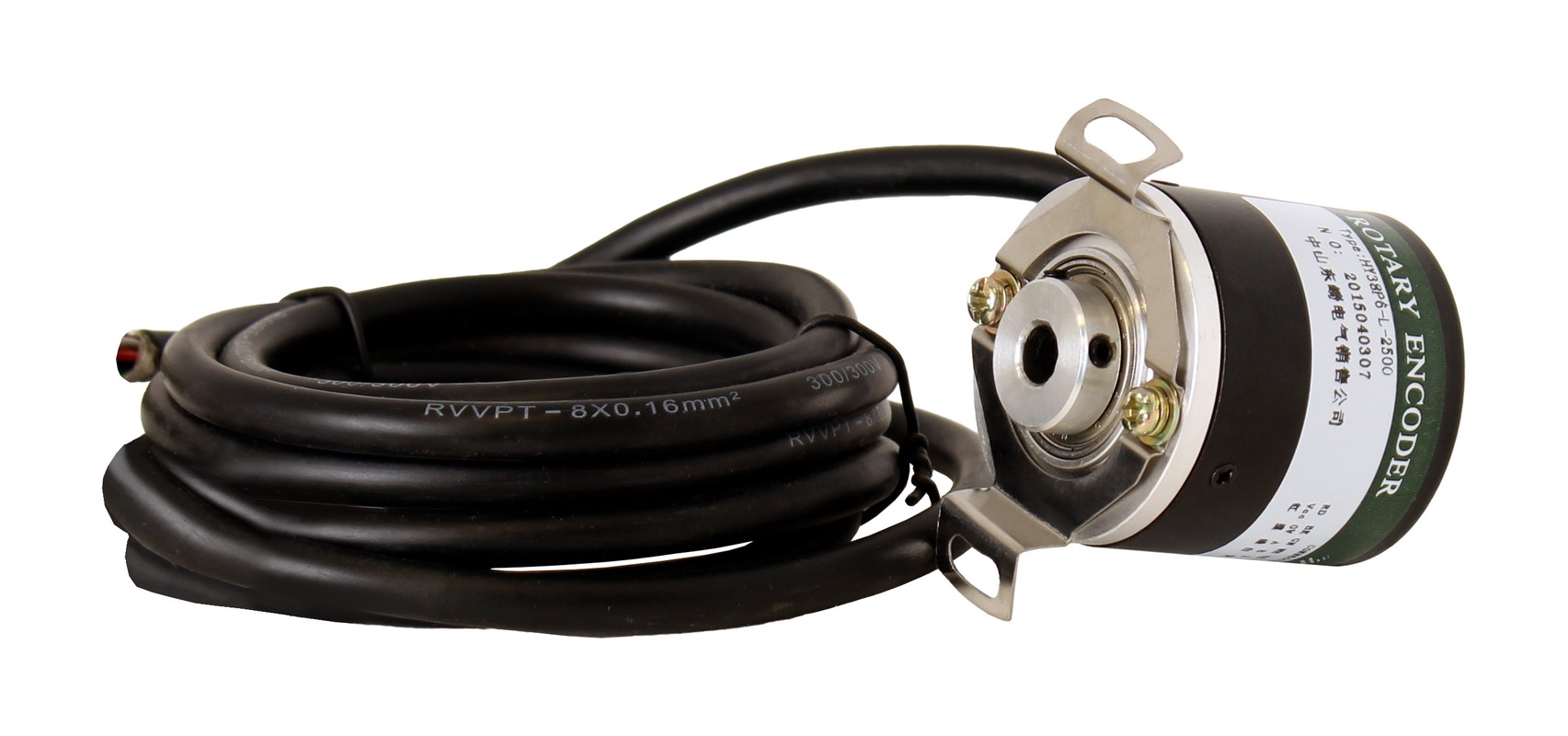
The main distinction of vector frequency converters: Inverters without a sensor maintain motor speed accuracy within +/- 0.5%, whereas with the installation of an encoder (electric motor speed sensor), speed regulation accuracy can be achieved within +/- 0.02%.

A specific case of frequency converters with a feedback sensor are devices with direct torque control. They allow for maintaining motor torque accuracy within +/- 3%. These frequency converters are most commonly used in lifting mechanisms (cranes, lifts), rolling and drawing mills, printing, and other equipment where maintaining constant torque is extremely important for the quality of work performed.

Main Advantages of Vector Frequency Converters

  • high accuracy and speed regulation dynamics,
  • constant torque maintenance with load changes,
  • energy saving due to energy flow optimisation.

Main Disadvantages of Vector Frequency Converters

The allowable maximum output voltage frequency of vector frequency converters usually does not exceed 320 Hz, whereas the output voltage frequency in scalar converters can reach up to 3,200 Hz. This is difficult to call a disadvantage, but it is necessary to consider when choosing a frequency converter.

The main disadvantage of vector frequency converters is their higher cost compared to scalar converters. This is due to the presence of current sensors and a more complex control system. However, with the advancement of modern electronics, the price difference between scalar and vector frequency converters is continuously decreasing.

The best recommendations for saving your money when choosing a frequency converter are a clear understanding of the task at hand and selecting the right equipment. You can always contact our company specialists for technical support and assistance in choosing frequency converters.

Get Technical Support

Qualified automation engineers at Specialist LLC will provide you with the necessary consultation for selecting, installing, and configuring a frequency converter. We can also help select the necessary peripheral equipment and repair your converter.

Call toll-free within Ukraine

+38 0800 210 317

What Advantages Will You Get by Buying a Vector Frequency Converter?

  1. high accuracy and speed regulation dynamics,
  2. constant torque maintenance with load changes,
  3. energy saving due to energy flow optimisation.

Where is the Vector Frequency Converter Used?

A vector frequency converter is worth buying for equipment control, which operates under variable loads, and requires high-precision motor speed maintenance and accurate torque control:

  • lathes, milling machines, drill presses, and other universal and CNC machines,
  • grinders and other grinding equipment operating with variable torque,
  • overhead cranes,
  • rolling mills,
  • printing and flexographic equipment,
  • lifts,
  • crushing and shredding equipment,
  • extruders,
  • mixers.
  • piston and screw compressors

Their application is justified for expensive and appropriate drives, despite the higher cost.

Show more