



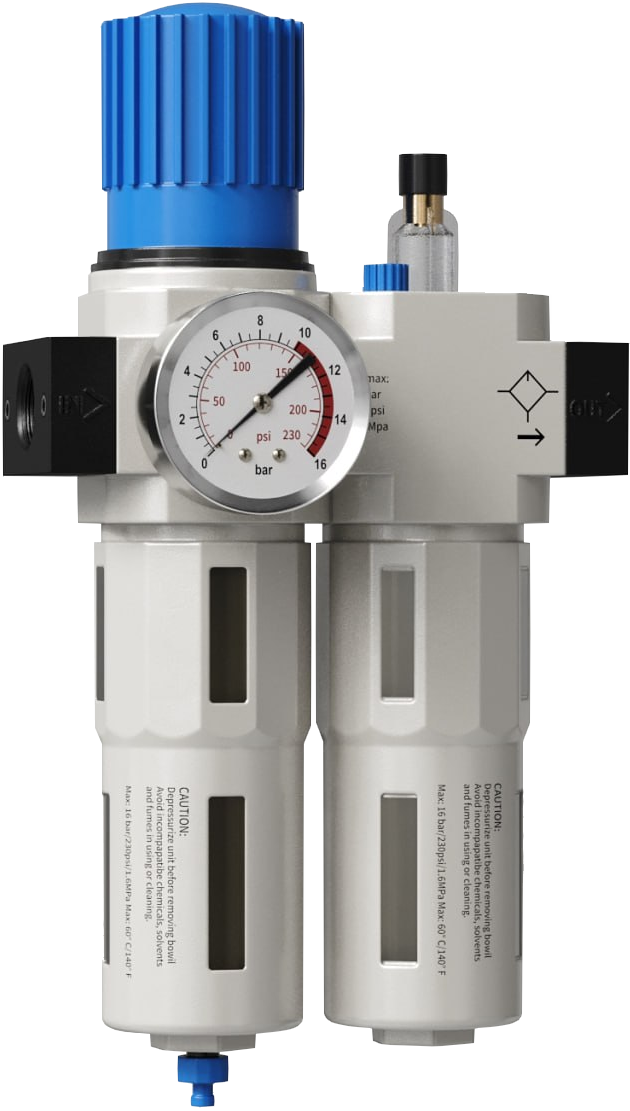
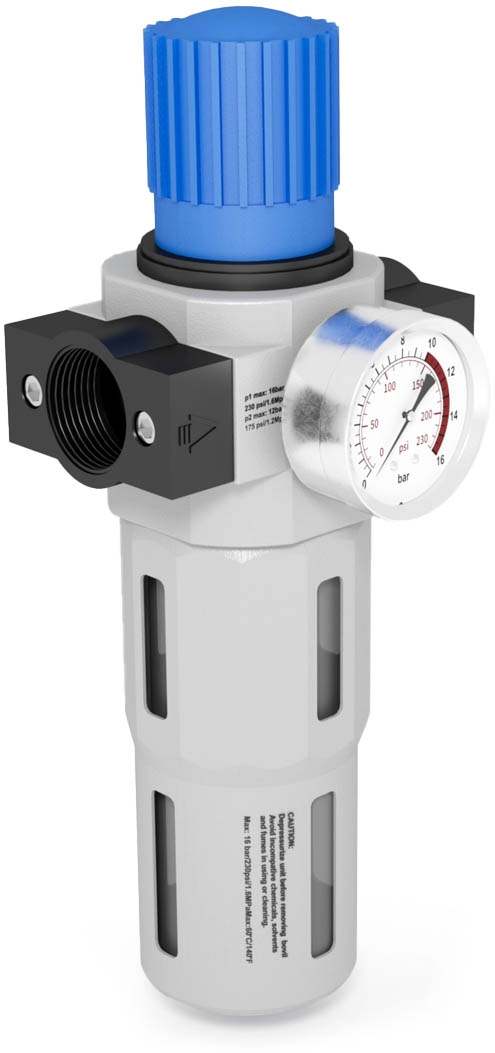
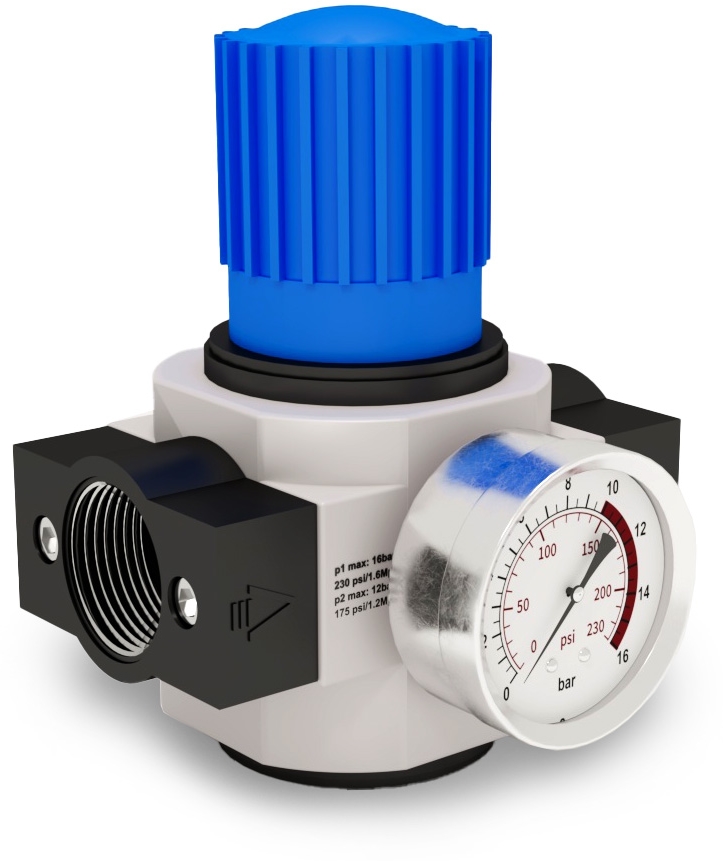
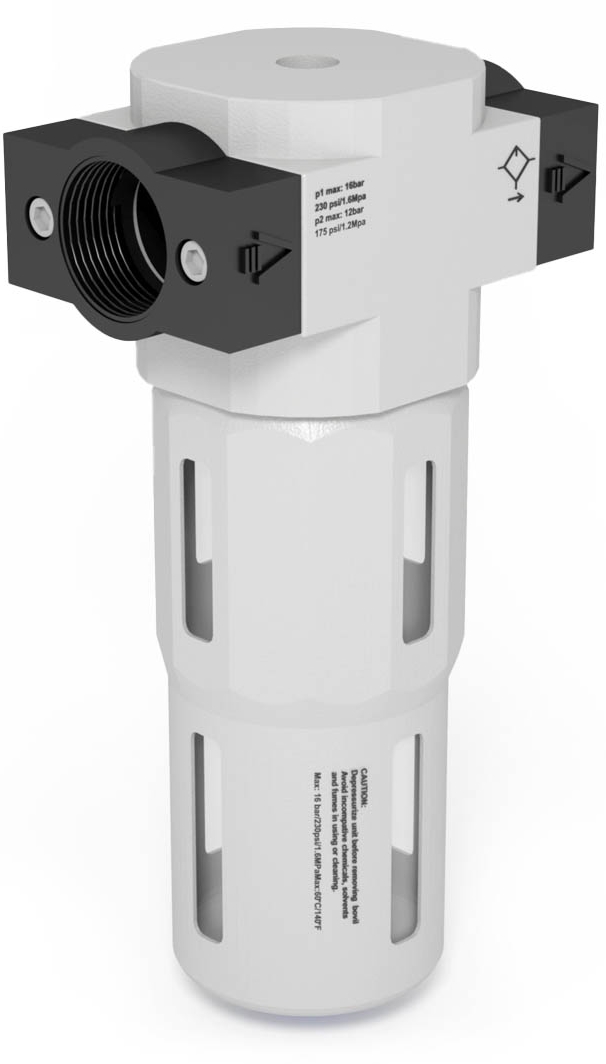
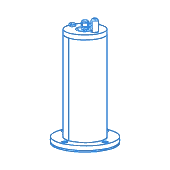




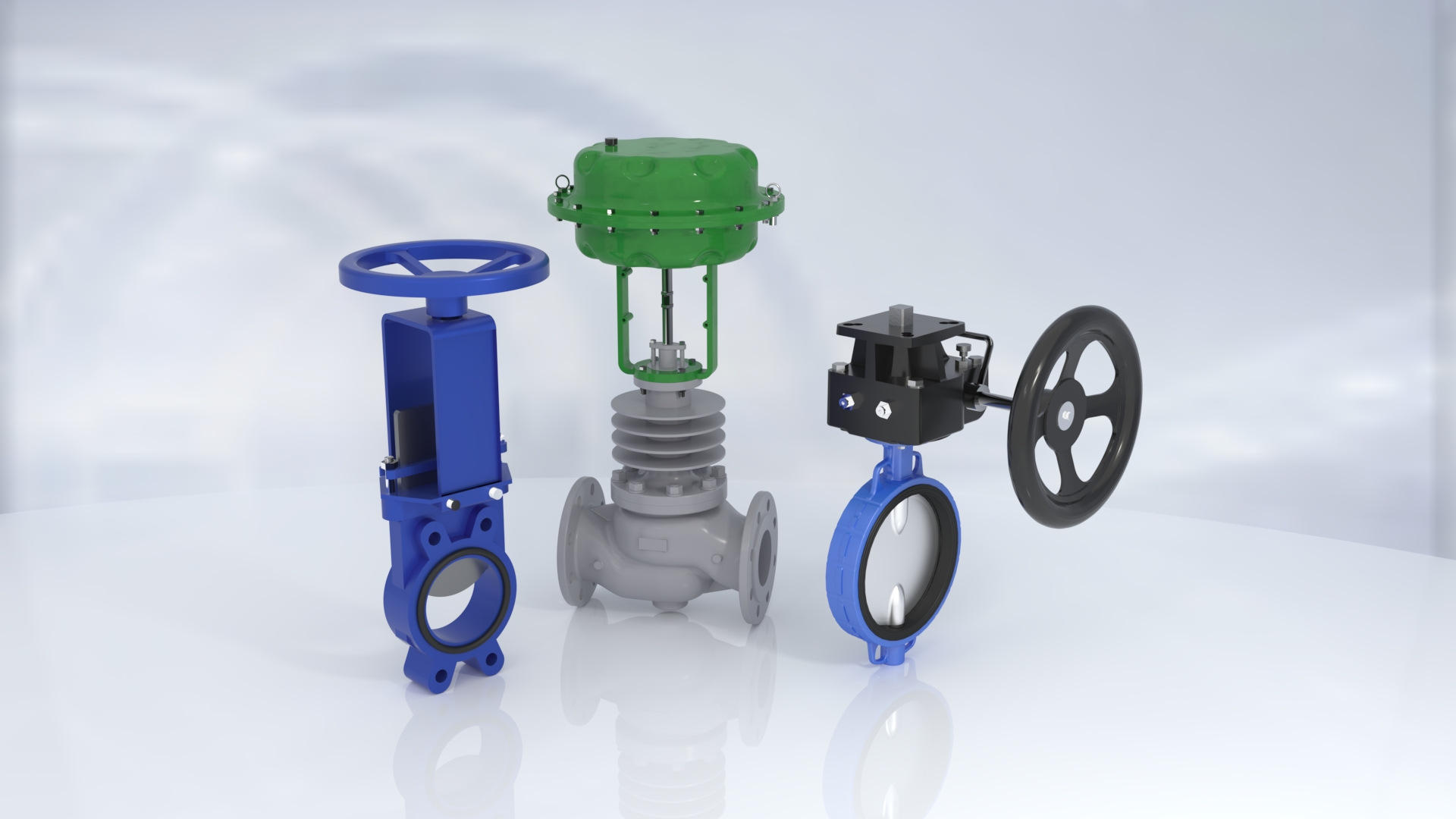
Shut-off valve equipment is an important element in any pipeline system. Pipeline valves are used to shut off or regulate flow capacity. The large number of types of shut-off and control valves is due to the wide range of tasks they solve in various industries.
What is shut-off and control valve equipment?
Shut-off valves:- Operating mode: Open/close.
- Functions: Precise opening and closing to supply a specific volume of gas or liquid. They may also have a safety function for relieving excess pressure.
- Operating mode: Intermediate positions for precise flow parameter control.
- Functions: Maintaining specified flow parameters (pressure, volume, temperature).
- Operating mode: Opening/closing and intermediate positions.
- Functions: Combines the functions of shut-off and control valves. Allows not only complete shut-off but also adjustment of flow capacity parameters.
Where is shut-off and control valve equipment used?
Shut-off and control valve equipment plays an important role in various industries, and its use is not limited to a single field. It covers a wide range of applications, from plumbing and heating mains to industrial filling lines, material and raw material supply systems. Shut-off and control valves are also used in the pulp and paper industry, river and marine fleets, agriculture and food industries (flour mills, breweries, oil extraction and fat-processing plants, and other food production facilities), packaging industry, as well as pneumatic transport and silos.
Main types of shut-off and control valve equipment
Shut-off valves have different operating principles and purposes depending on the specific type and application area. The main types of shut-off valves are:
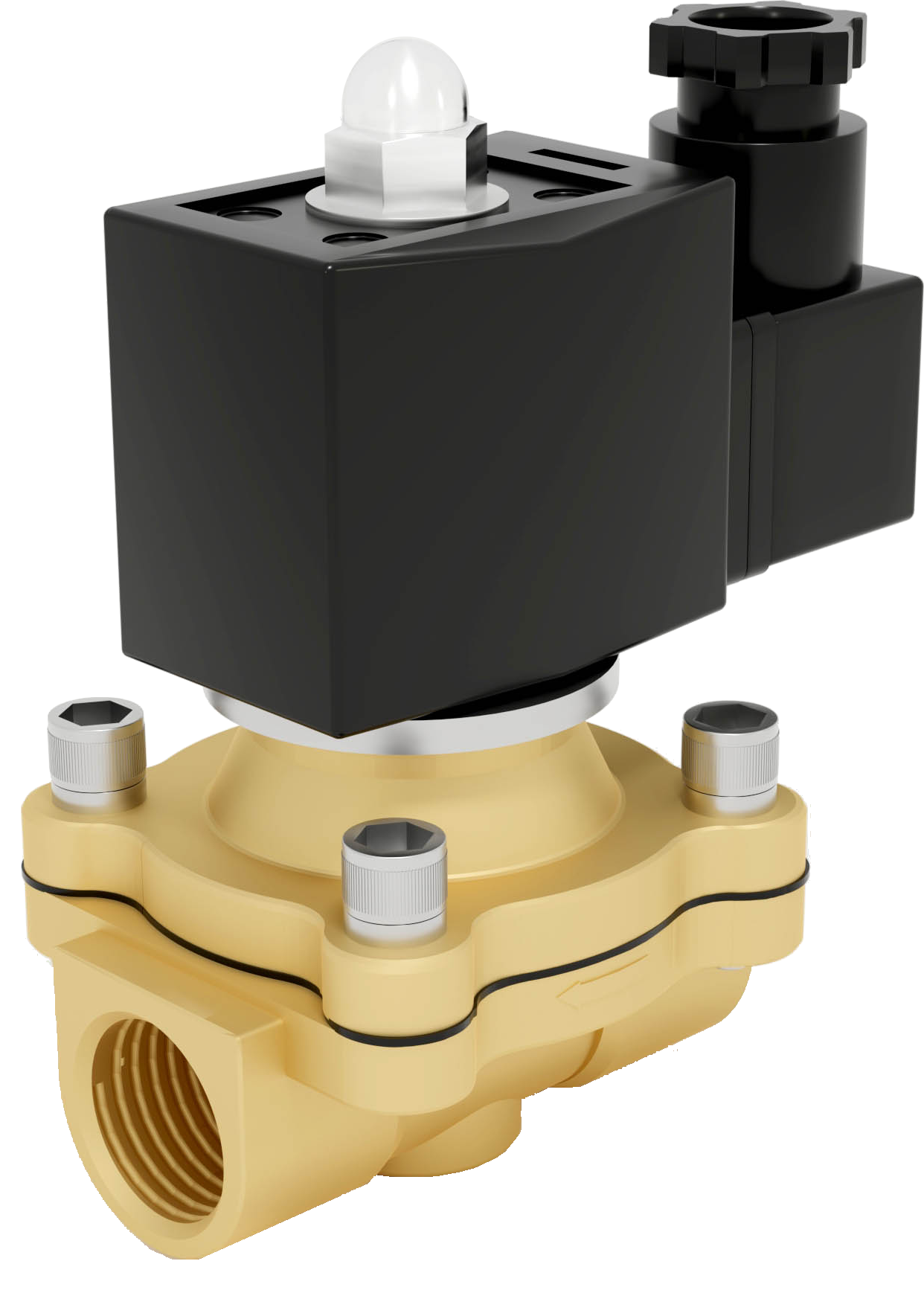
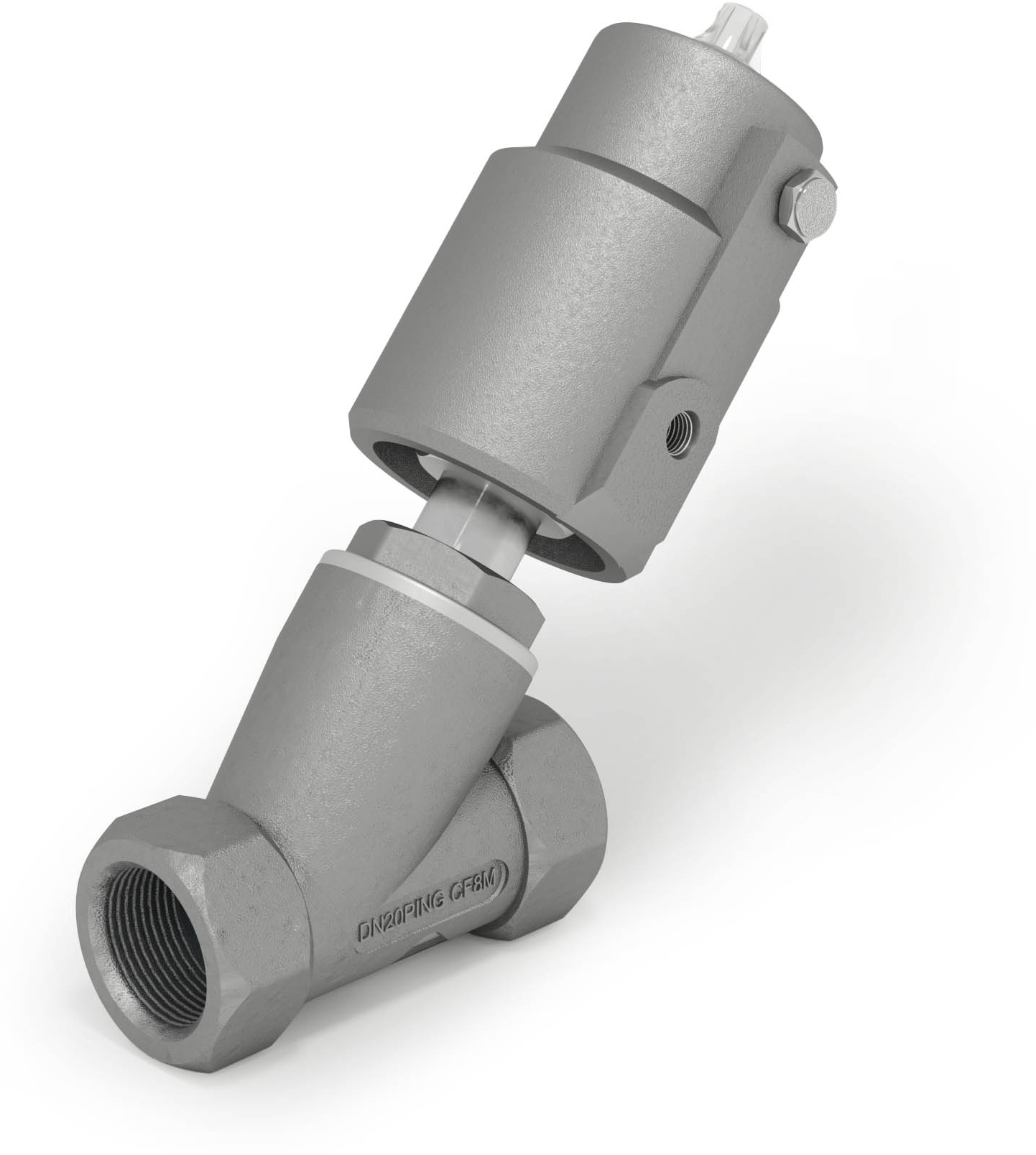
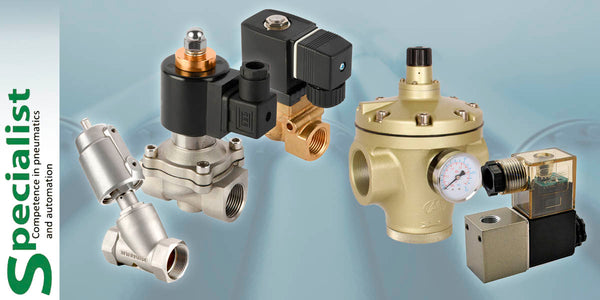
- Valves
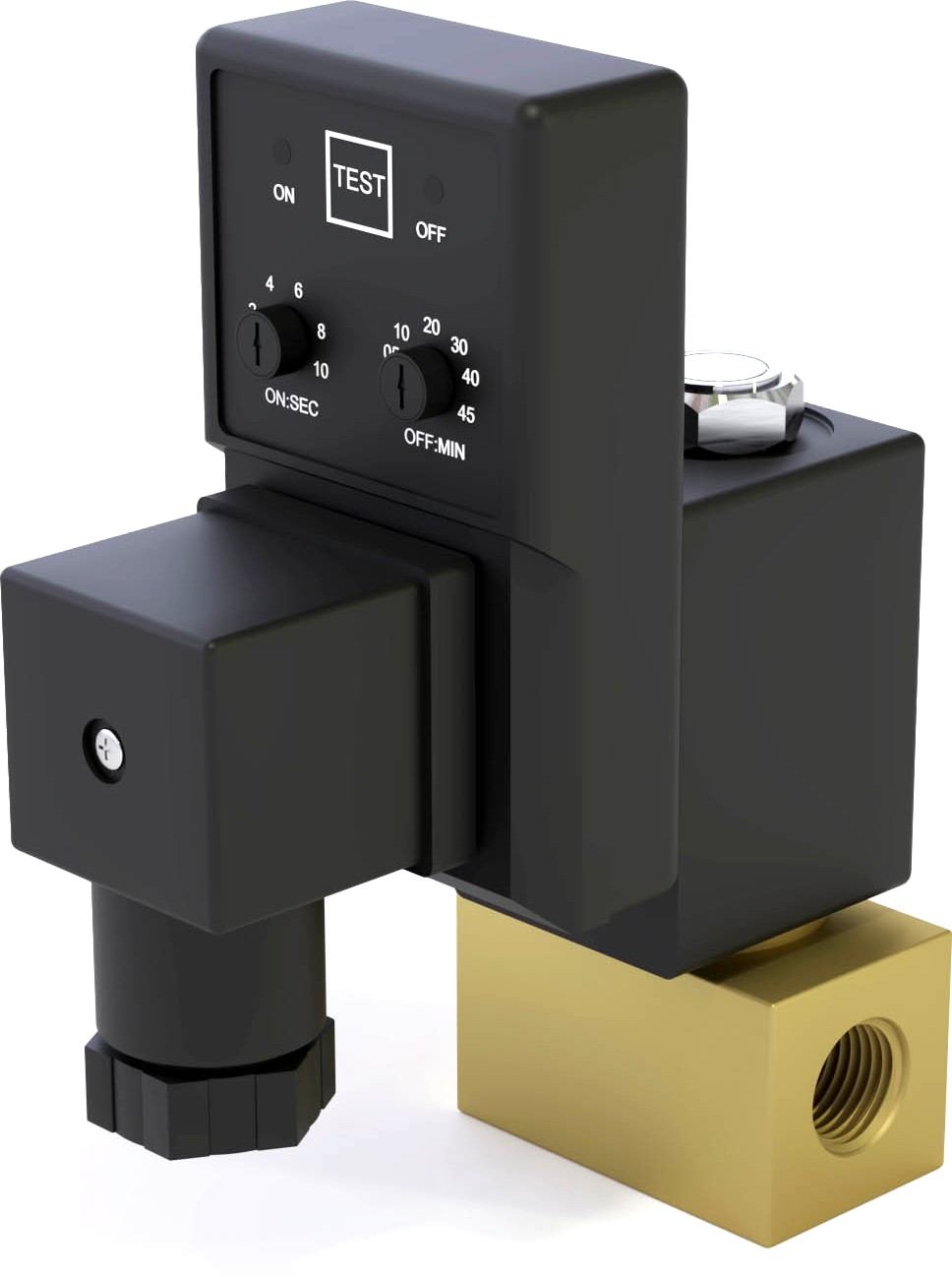
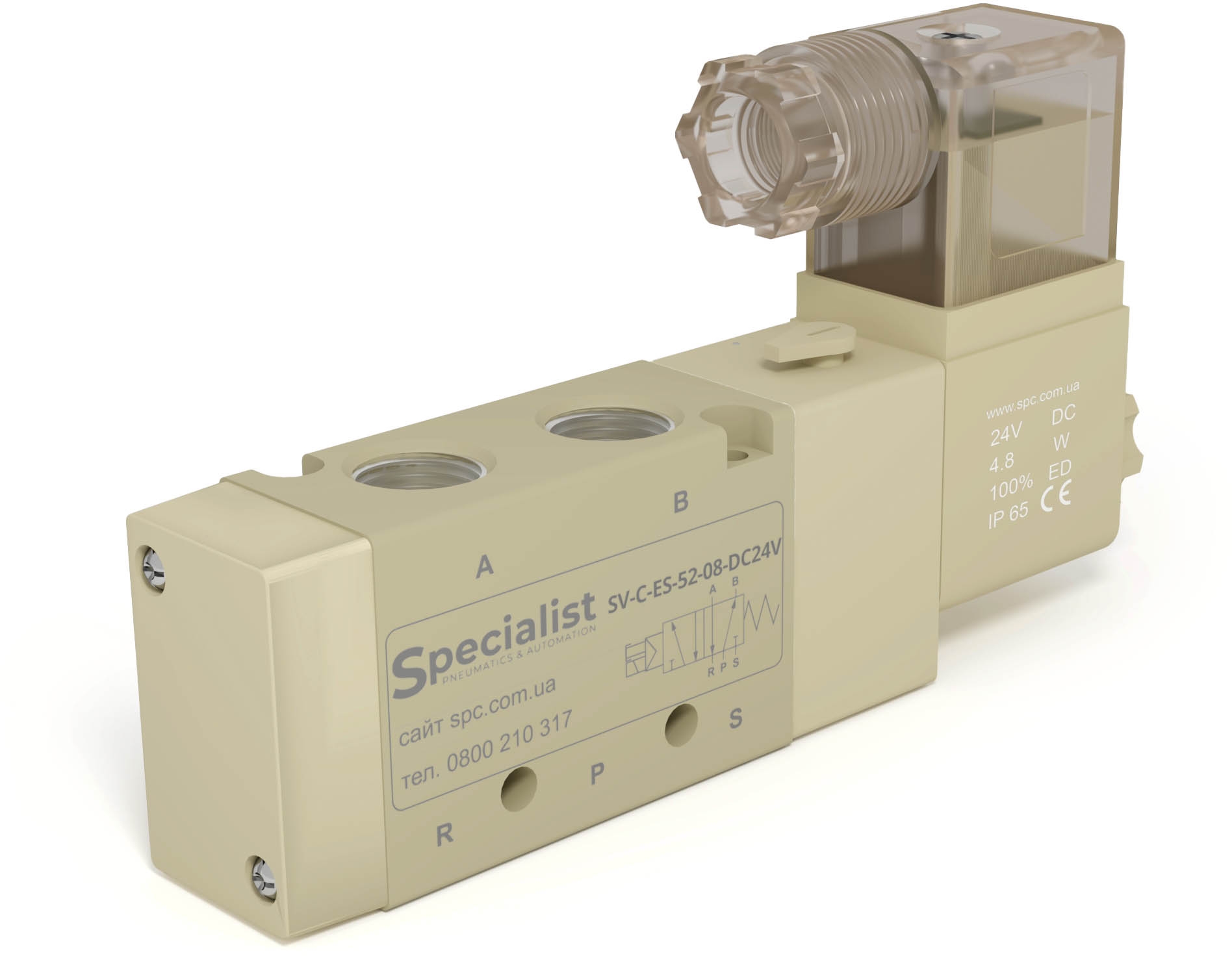
Operating principle: shutting off flow capacity by moving the closing element perpendicular or at an angle to the flow direction. How a solenoid valve works
Purpose: precise dosing of the working medium flow, prevention of backflow, and protection of the system against overpressure.
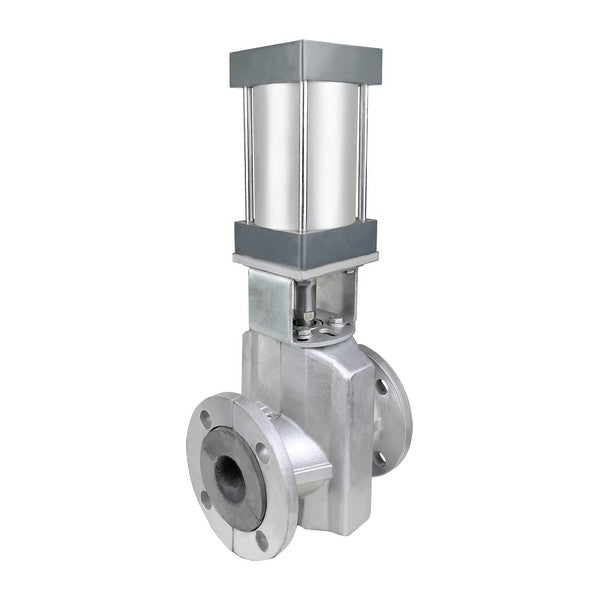
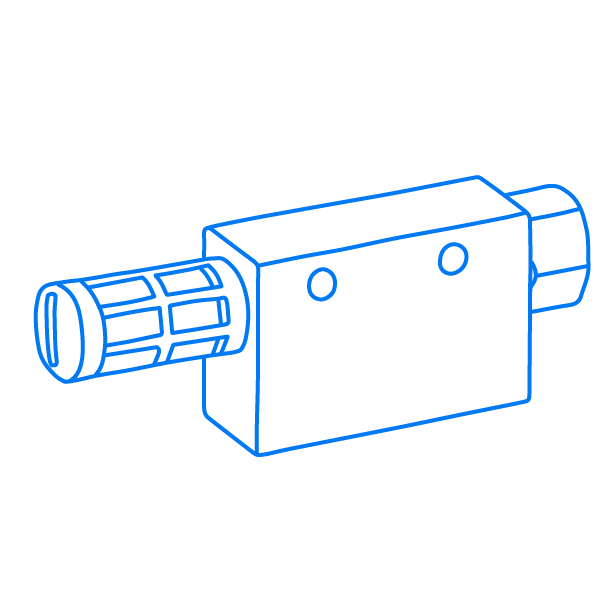
Shut-off valves are characterized by a high response speed, making them indispensable in situations requiring rapid shut-off of gas or liquid flow. In cases where force is required to operate the valve, pneumatic actuator models are used, providing reliable and efficient control.
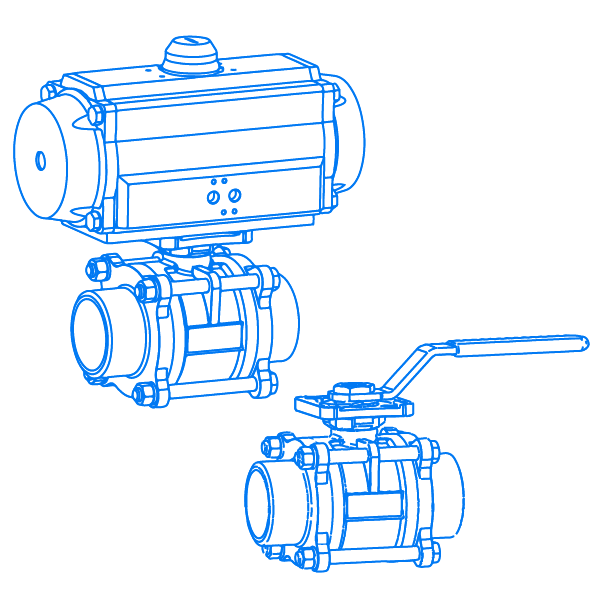
- Ball valves
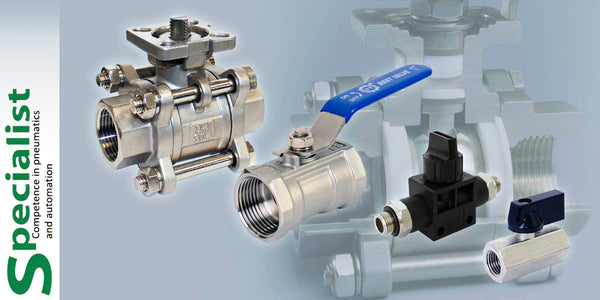
Ball valves can be manufactured from various materials, including brass, stainless steel, and bronze, allowing them to be used in different conditions and environments. They can also be used for flow regulation. Buy a ball valve in the Specialist store
Operating principle: A ball valve is a device in which the main element is a ball with an opening (bore) inside. This ball is mounted on a rotating stem and placed inside the valve body. When the valve handle is turned, the ball also rotates, changing the position of the opening relative to the flow of liquid or gas.
Purpose: Tight shut-off of flow capacity and flow regulation.
Ball valves have a reliable and compact design, making them an excellent choice for quickly shutting off liquid or gas flow. These valves stand out for their high resistance to corrosion and wear, ensuring durability and reliable operation.
- Butterfly valves
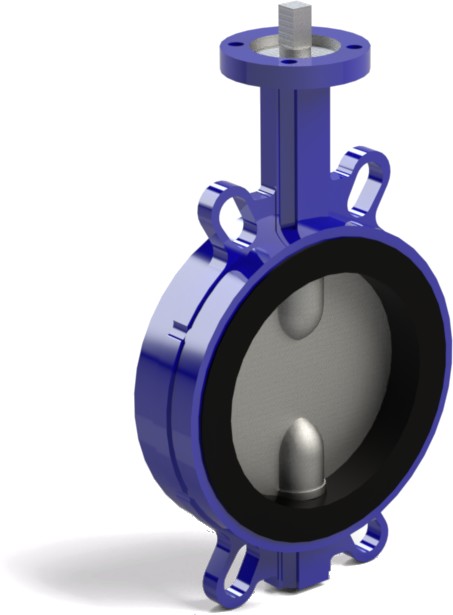
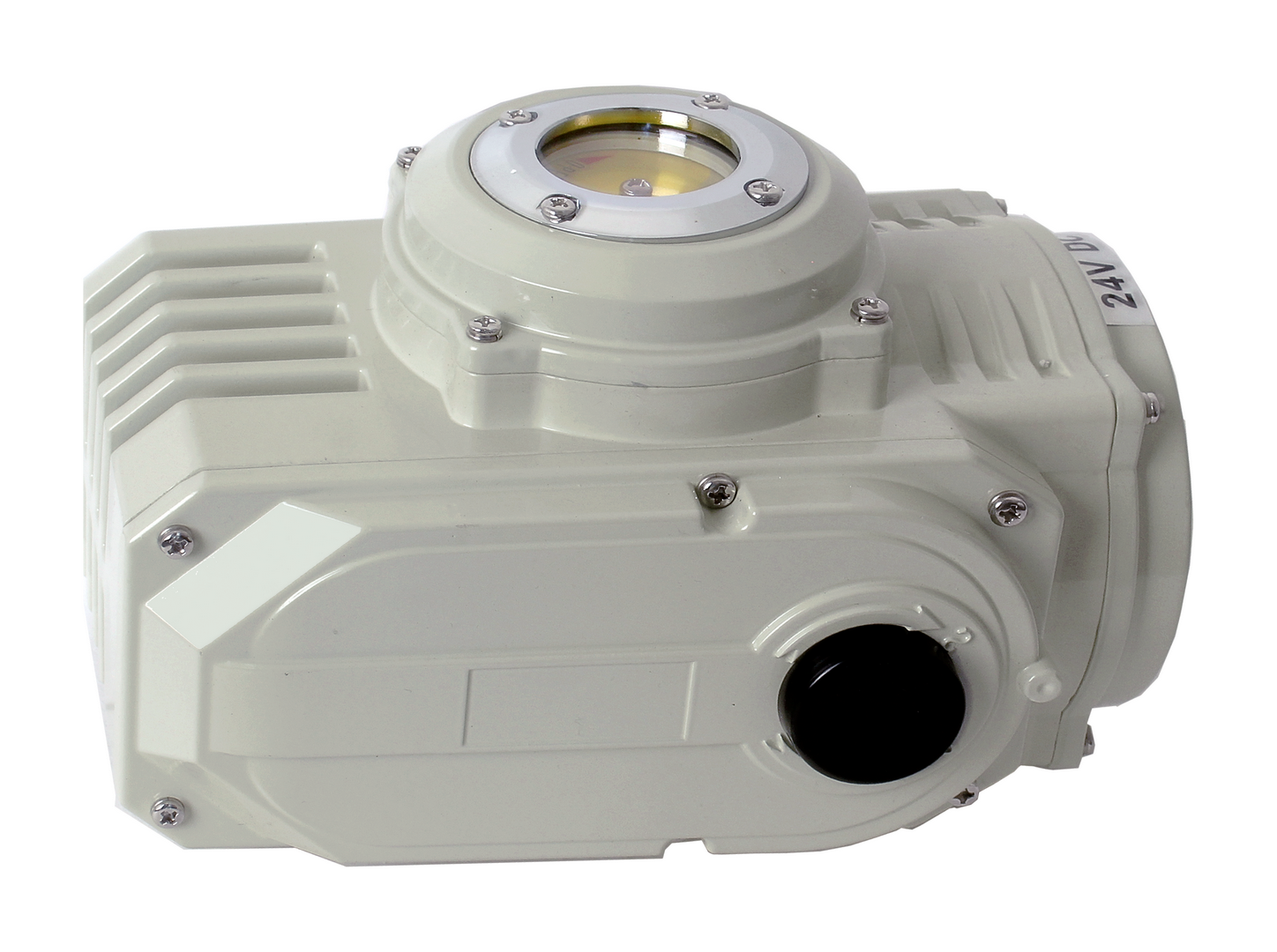
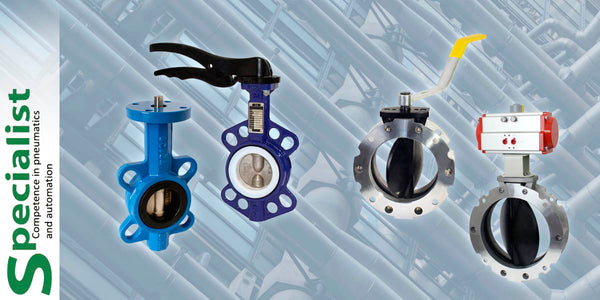
A butterfly valve, also known as a rotary disc valve, consists of a body, disc closure element, stem, and actuator. The body is made of metal (steel, cast iron). The disc can be made of stainless steel, aluminum, or other corrosion- and wear-resistant materials. The actuator may be manual, electric, or pneumatic, providing a wide range of applications. Buy a butterfly valve in the Specialist store
Operating principle: Rotary disc valves operate by rotating a disc located inside the body. This disc is mounted on a rotating stem passing through its center. When the disc is positioned parallel to the flow direction, the valve is open and the medium passes freely through it. Rotating the disc by 90 degrees perpendicular to the flow completely blocks it. By changing the angle of disc rotation, the flow capacity can be smoothly adjusted.
Purpose: Tight shut-off and regulation of flow capacity in water supply, heating, ventilation systems, and other industrial applications.
Thanks to the wide selection of sealing materials, butterfly valves can operate effectively both in the food industry and in aggressive environments, including chemical and petrochemical processes.
- Knife gate valve
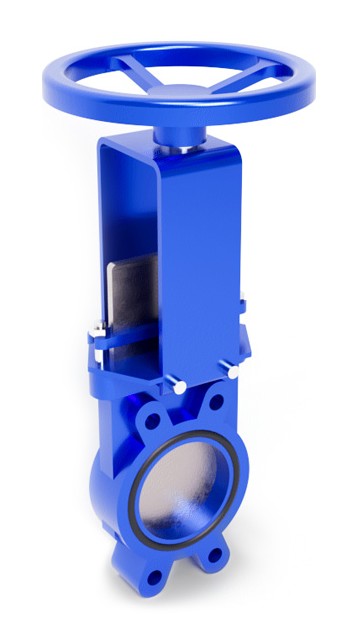
A knife gate valve is a device used for tight shut-off and flow regulation. The main element of the valve is a flat gate (blade), mounted on a stem and placed inside a steel or cast iron body. The stem is operated manually or by an electric or pneumatic actuator. Knife gate valves are particularly effective when working with viscous and bulk materials because the blade can cut through dense substances during shut-off, while the design prevents material buildup inside the valve.
Operating principle: A knife gate valve operates by moving a flat or wedge-shaped closure element (gate) perpendicular to the direction of medium flow. When the gate is fully extended, it blocks the pipeline passage, stopping the flow. Retracting the gate opens the passage for the medium.
Purpose: Versatility, compactness, and high tightness make knife gate valves ideal for applications requiring increased reliability and resistance to contamination.
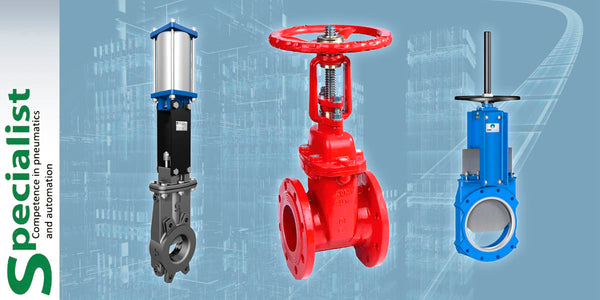
Materials for Shut-Off Valves and Their Chemical Resistance
Shut-off valves can be manufactured from various materials. We will consider the following:
- Stainless Steel - a widely used material for shut-off and control valves. Chromium in the alloy forms a thin protective oxide layer on the material's surface, providing resistance to corrosion. This oxide film blocks contact between the metal and external factors, protecting stainless steel from acids, alkalis, and salts. Examples include stainless steel valves and ball valves of the following series: SV-FZ, SV-HS, SCBV-Q610F, SCBV-Q601, SCBV-Q611.
- Bronze - an alloy of copper and tin characterized by excellent corrosion resistance, especially in seawater environments. This material offers outstanding mechanical properties, including strength and wear resistance. Due to the presence of copper, bronze also has natural antibacterial properties, which can be an additional advantage during use. Examples include bronze valves and ball valves of the following series: SCBV-Q201, SV-F, SV-ZS, SV-WZ, SV-FD.
- Cast Iron - due to its strength, affordable price, and excellent casting properties, cast iron is widely used in the production of pipeline fittings. However, the main disadvantage of cast iron as a housing material is its high brittleness. Cast iron products are prone to damage from impact or tensile loads. Cast iron butterfly valves of the following series: SCBF-BV2-6JA, SCBF-D670/SCBF-D671.
- Plastic - Polypropylene (PP), Polyvinyl Chloride (PVC), and Polyethylene (PE) have excellent chemical resistance. Such shut-off valves are resistant to most acids, alkalis, salts, and organic solvents, making them suitable for aggressive chemical environments. Plastic valves are often used in the food industry because they do not react with the medium, do not affect product composition, and have a smooth surface that simplifies processing. They are not prone to corrosion and have low thermal conductivity. Engineering plastics are quite durable, but they are still less strong than metal products. Plastic shut-off and control valves are not designed for high-pressure applications. A polypropylene valve of the SV-FP series is available.
-
Aluminum - a lightweight metal with good corrosion resistance due to the formation of a natural oxide layer on its surface. This layer protects aluminum from oxidation and interaction with other chemicals. However, aluminum is less resistant to strong acids and alkalis, which limits its use in aggressive chemical environments.
Specialist performs aluminum die casting and operates modern lathes and milling machines for thread cutting. This allows us to manufacture custom aluminum valves, test them for tightness, and perform laser engraving, ensuring the highest quality products that meet the specific requirements of our customers.
Sealing Materials for Shut-Off Valves
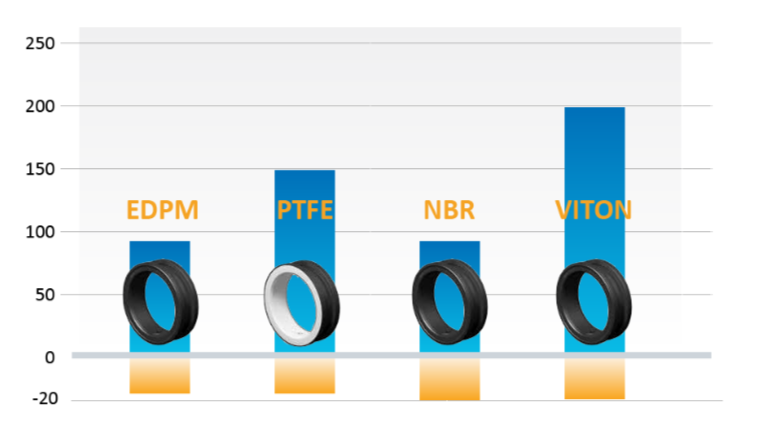
Seals in shut-off valves play a key role in ensuring tight closure and preventing leaks. Common sealing materials include NBR, Viton, PTFE, and EPDM.
Temperature Characteristics Chart of Sealing Materials
NBR Seals
Seals made of NBR (Nitrile Butadiene Rubber) are widely popular due to their affordable cost and high resistance to petroleum products, including fuels and lubricants. They retain their properties within a temperature range of from -20 to +80°C and withstand high pressure. This makes them an ideal choice for use in shut-off valves and pneumatic systems.
Viton Seals
Seals made of Viton (fluoroelastomer) feature high oxidation resistance and can withstand temperatures ranging from -20 to +200°C. This material offers exceptional resistance to ozone, mineral oils, fuels, as well as organic and aromatic solvents. Thanks to these qualities, Viton seals are widely used in harsh chemical environments and in industries that handle aggressive liquids and chemical compounds.
PTFE Seals
Seals made of PTFE (Teflon) provide excellent chemical resistance and low friction, making them ideal for applications requiring high durability. This material withstands temperatures ranging from -15 to +150°C and is resistant to acids and alkalis. Thanks to its smooth surface, particles of the working medium do not adhere to PTFE seals. However, it is important to note that PTFE is degraded by fluorine and molten alkali metals, and when heated above 200°C, it may decompose into toxic compounds.
EPDM Seals
Seals made of EPDM (Ethylene Propylene Diene Monomer Rubber) are elastic rubber components with high resistance to wear, ozone, and ultraviolet radiation. EPDM retains its properties when in contact with hydraulic fluids, making it commonly used in shut-off valves for water supply systems. This material withstands temperatures from -15 to +85°C. An EPDM version vulcanized with peroxide and certified according to the NSF-61 standard is also available upon request and is suitable for contact with food products.
You can ознакомиться with the chemical compatibility chart for various working media and materials, as well as obtain additional information, in our catalog
Buy Shut-Off Valves in the Specialist Online Store
Benefits of Shopping at Specialist
Specialist has established itself as a reliable supplier of shut-off and control valves in the Ukrainian market. We also manufacture valves for water, steam, air, and welding applications.
Our products are in demand among customers from various regions of the country, including Lviv, Dnipro, Kharkiv, Odesa, and Zaporizhzhia. We strive to create the most favorable conditions for our partners by offering competitive prices and fast delivery.
- Delivery Across Ukraine: The presence of warehouses in Lviv and Dnipro allows us to provide fast delivery throughout Ukraine.
- Convenient Payment Methods: We offer the option to pay upon receiving the goods, increasing convenience for our customers.
- Expert Support: Our team of professionals is always ready to provide well-founded consultations regarding our product range and help you choose the optimal solution.
- Production of High-Quality Valves: We take pride in our own valve manufacturing, producing products that meet high standards of quality and reliability.
By choosing Specialist, you receive not just a product, but a comprehensive solution backed by professional support and focused on long-term cooperation.

