




Vacuum Suction Cups — are an essential tool in a wide range of applications, from household use to industrial applications. They provide reliable attachment to smooth surfaces without causing damage or leaving marks. Choosing the right suction cup depends on many factors, including its material, shape, and design.
Materials
Vacuum suction cups are made from various materials, each offering its own advantages:
Silicone— offers high elasticity and excellent resistance to temperature fluctuations. Silicone suction cups retain their properties within a temperature range of -40°C to +180°C, making them ideal for use both in refrigerated environments and under high-temperature conditions. Silicone is also resistant to UV exposure and does not yellow over time.
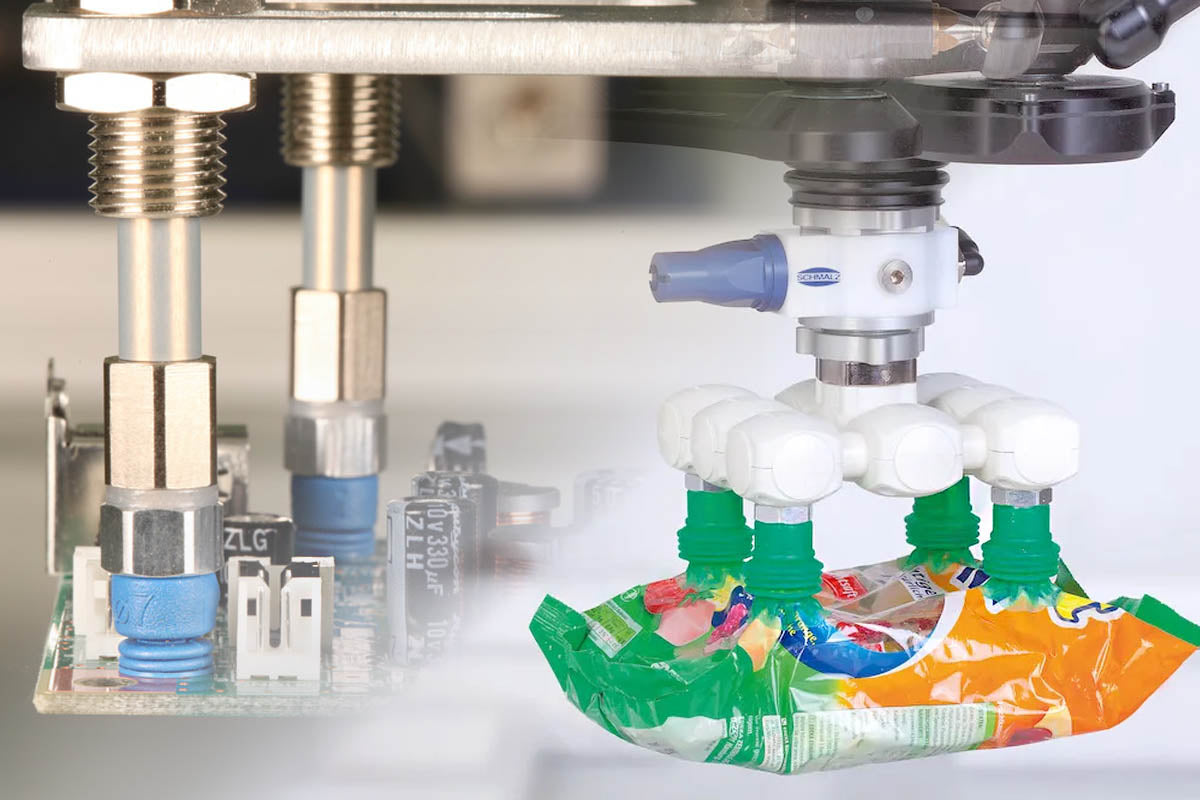
NBR (Nitrile Butadiene Rubber)— offers enhanced oil resistance and chemical resistance. NBR suction cups are better suited for industrial environments where they may come into contact with oils, gasoline, and other chemicals. They are more durable under mechanical loads but have a narrower operating temperature range compared with silicone or polyurethane suction cups.
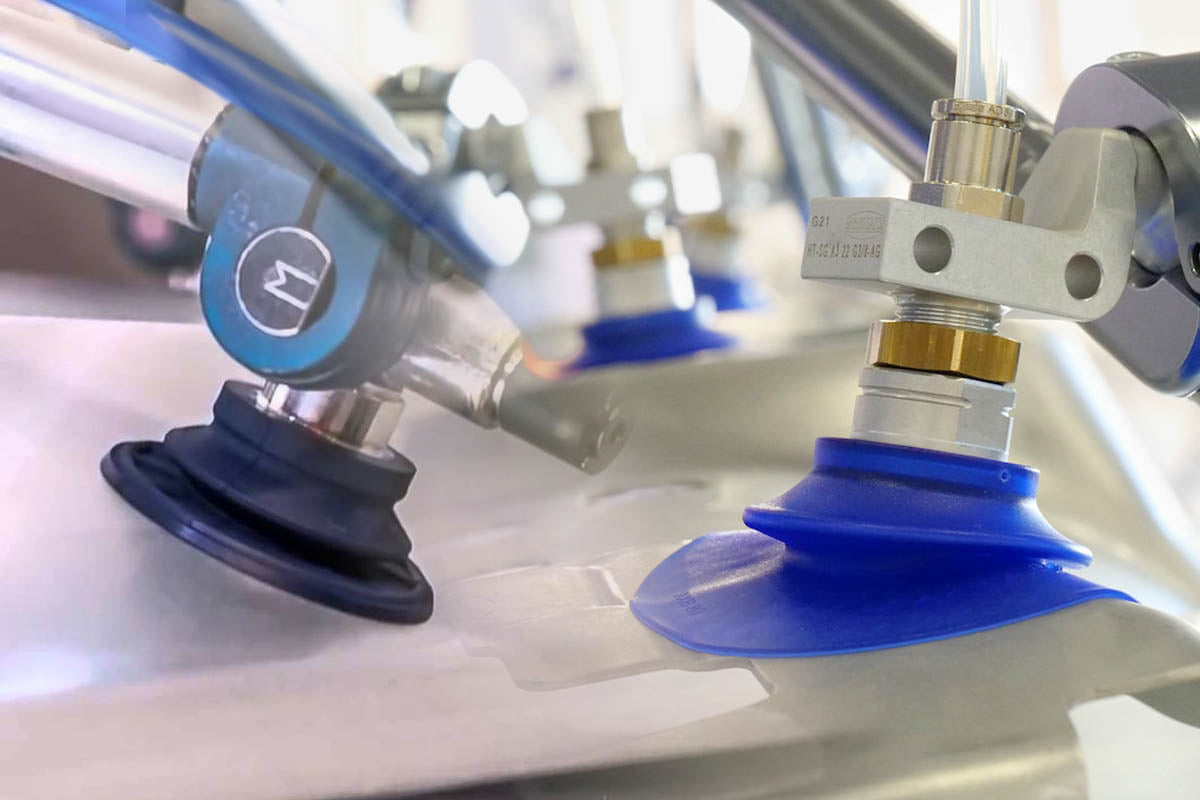
Suction Cup Shapes
The shape of the suction cup affects its functionality and suitability for different applications:
Round— the classic and most common shape. It distributes the load evenly and provides stable attachment on flat surfaces.
Oval— suitable for narrow surfaces where round suction cups cannot be positioned. They provide a larger contact area on elongated objects.
Rectangular — maximize the contact area on flat surfaces, providing increased load capacity.
Special Shapes — for example, angled or curved suction cups designed for attachment to uneven or curved surfaces.
Design and Number of Folds
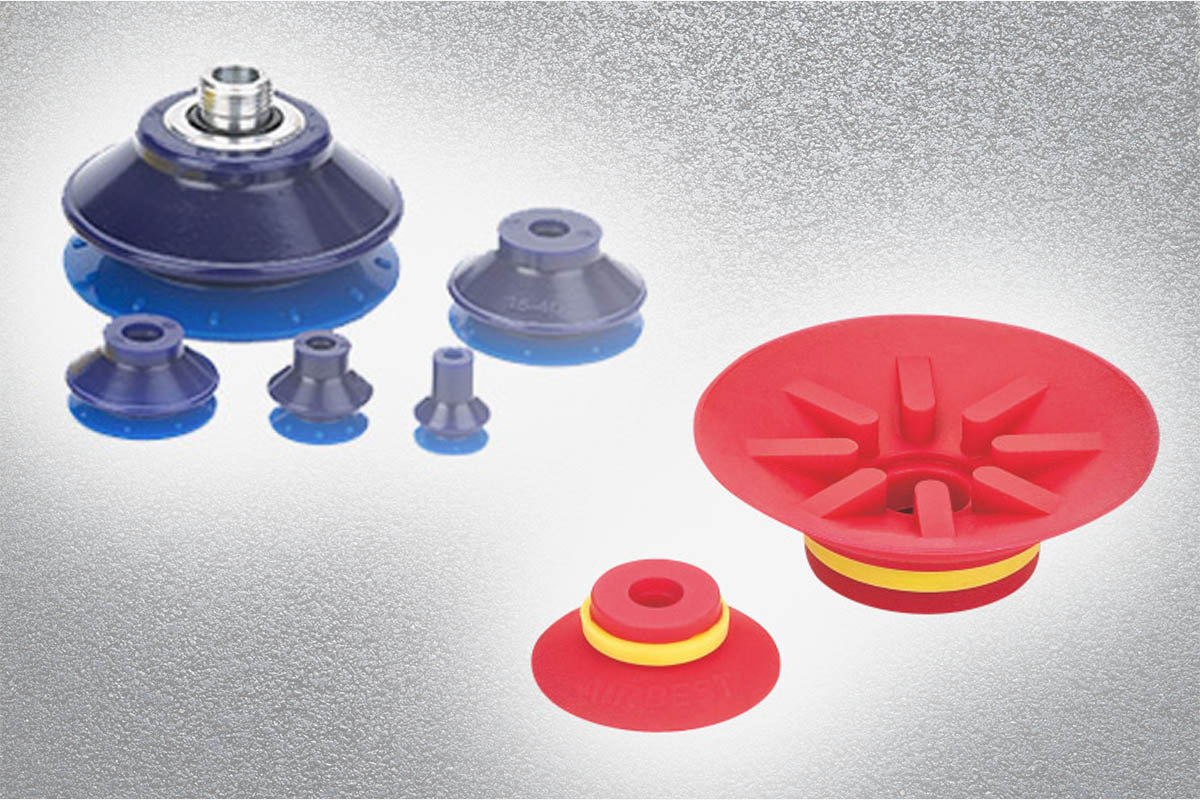
Single-Fold Suction Cups – a simple design without additional folds. They are suitable for lightweight objects and perfectly smooth surfaces.
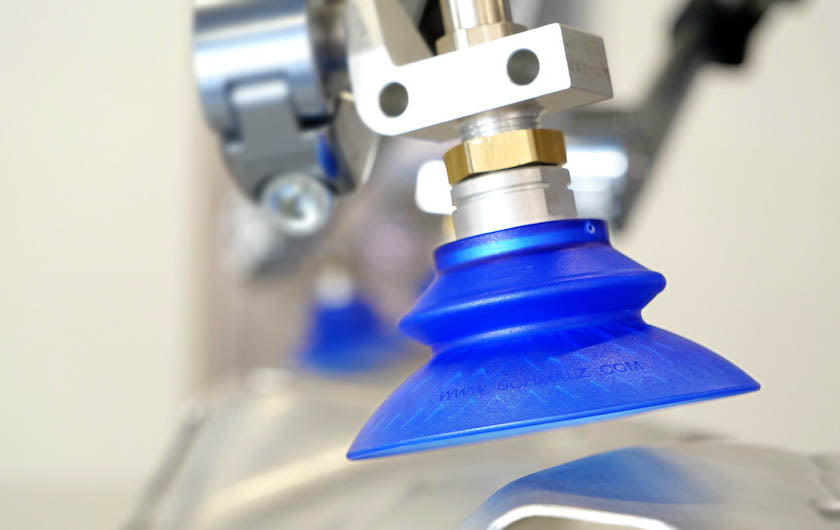
Multi-Fold Suction Cups – feature one to three or more folds around the perimeter. Each additional fold improves the suction cup’s ability to adapt to minor surface irregularities and increases its gripping force. Three-fold suction cups provide maximum contact even with slightly textured surfaces.
Design Types and Connections
Suction Cups with a Collar – a classic option where the vacuum is created by mechanical pressing. These suction cups are easy to use and do not require additional equipment, but they have a limited load capacity.
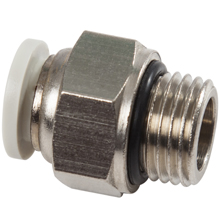
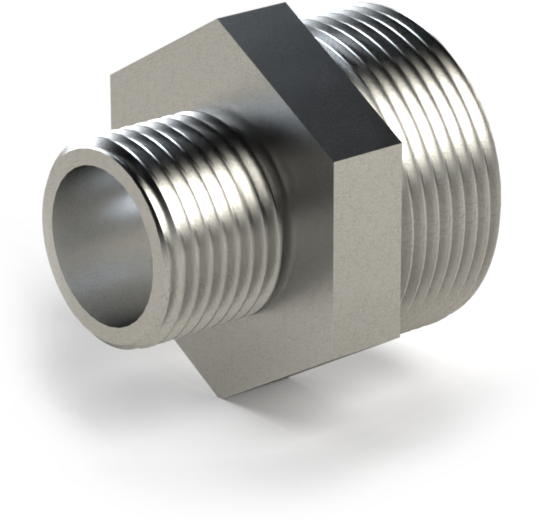
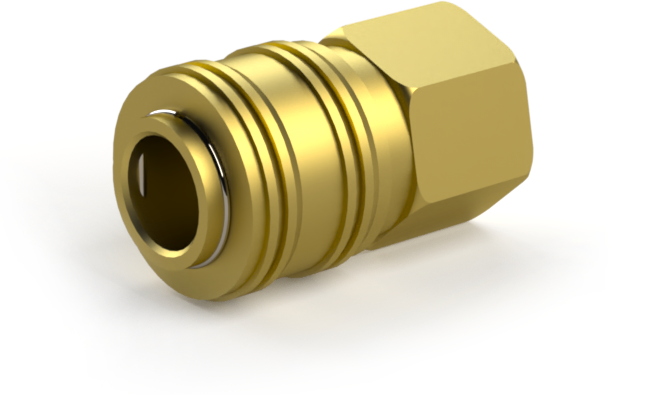
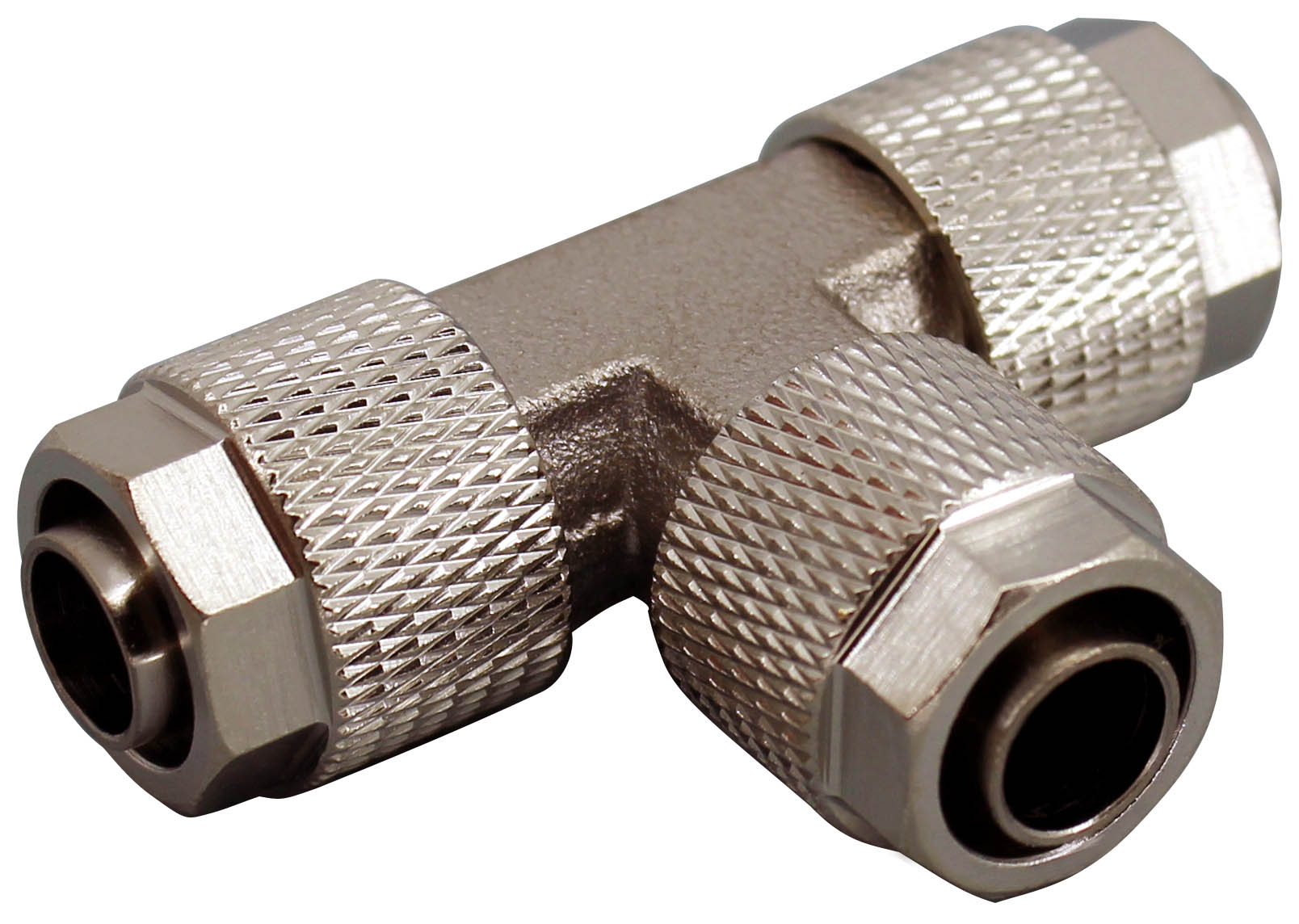
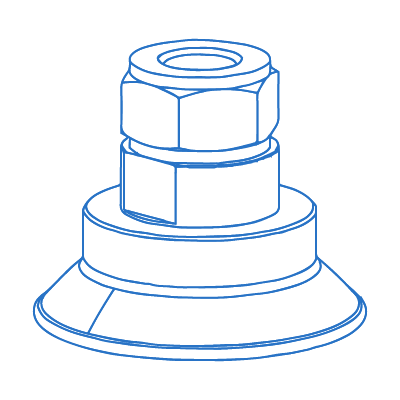
Suction Cups with a Built-In Fitting – equipped with a special connection for attachment to a vacuum system. The fitting can be of various types (threaded, quick-release, or hose-barb), allowing the suction cup to be integrated into industrial vacuum systems.
Vacuum Ejector: Operating Principle and Applications
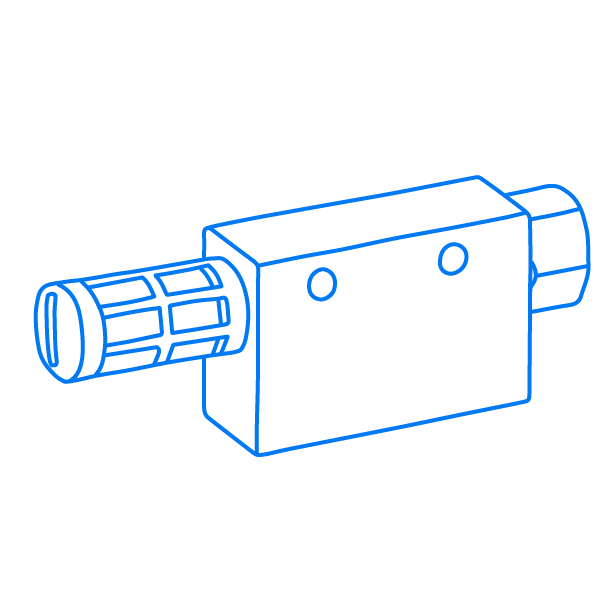
Vacuum Ejector – is a device that creates negative pressure by using the energy of compressed air. Its operating principle is based on the Venturi effect: as compressed air passes through a constriction in the ejector body, its velocity increases and creates a low-pressure zone. Air is drawn into this zone from the connected suction cup, creating a vacuum.
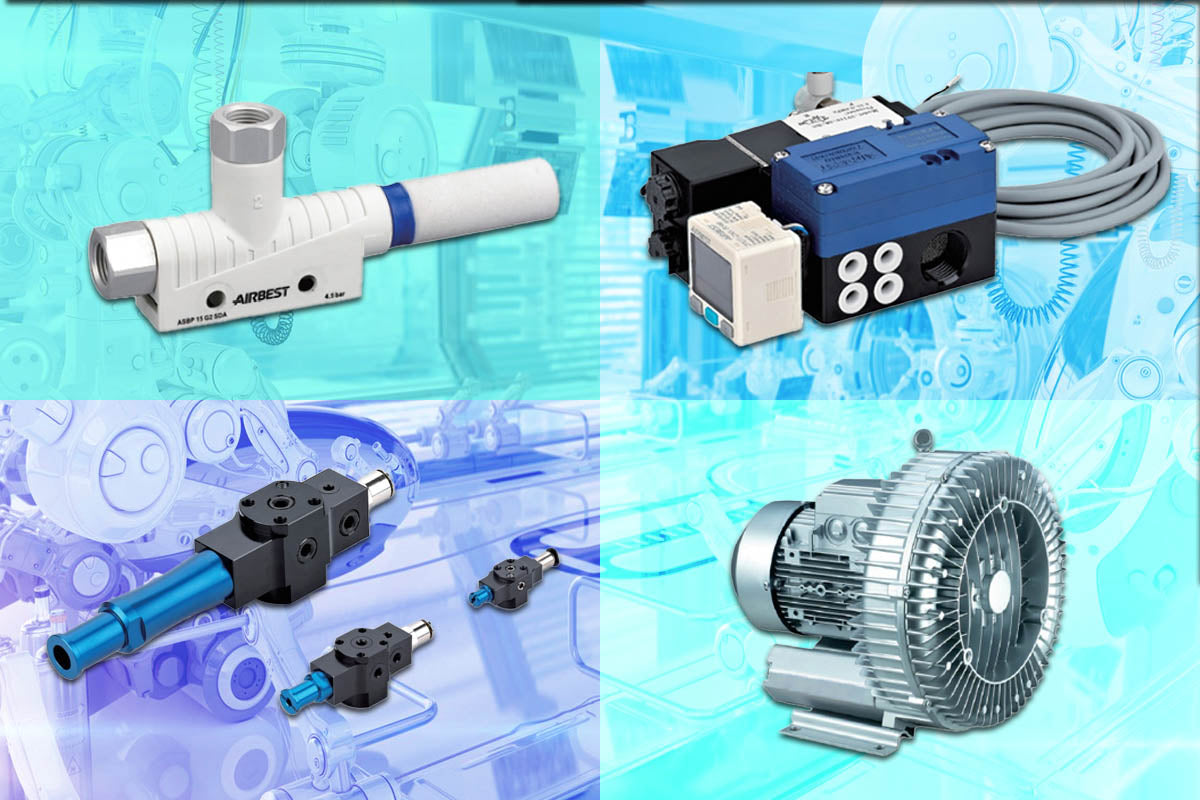
Key Advantages of Vacuum Ejectors:
- No moving parts, ensuring high operating reliability and ease of replacement
- Compact size and easy installation directly on the working parts of the equipment
- High vacuum generation speed (milliseconds)
- No electrical power supply required
Recommendations for Selecting an Ejector for Suction Cups
When selecting a vacuum ejector for a suction cup system, the following factors should be taken into account:
- Required vacuum level – for most applications, 60-80 kPa is sufficient, but a deeper vacuum may be required for holding heavy or porous materials.
- Ejector capacity – should correspond to the volume of the suction cup, taking possible leaks into account. It is recommended to select an ejector with 1.5-2 times the required capacity.
- Vacuum reservoir availability – for systems where vacuum must be maintained during short-term interruptions in the compressed air supply.
- Built-in safety features – vacuum level monitoring systems and automatic return to a safe position in case of vacuum loss.
- Fitting compatibility – the connection diameter must match the suction cups and pneumatic system.
Formula for calculating the required ejector capacity: Q = V × n × 3,
where:
Q – required ejector capacity (L/min)
V – volume of one suction cup, including supply tubing (L)
n – number of suction cups in the system
3 – safety factor accounting for possible leaks
For industrial systems, it is recommended to select ejectors with an energy-saving function that automatically shuts off the compressed air supply when the preset vacuum level is reached and switches it on only to maintain the required vacuum.
Application Example: Suction Cups for Glass
In the serial production of doors, windows, and furniture, vacuum suction cups are actively used at all stages of glass processing and handling. A typical example is an automated sheet glass cutting line, where a manipulator with a suction cup system lifts an entire sheet from storage, places it on the cutting table, and then another manipulator with suction cups moves the cut blanks to the next processing stage.
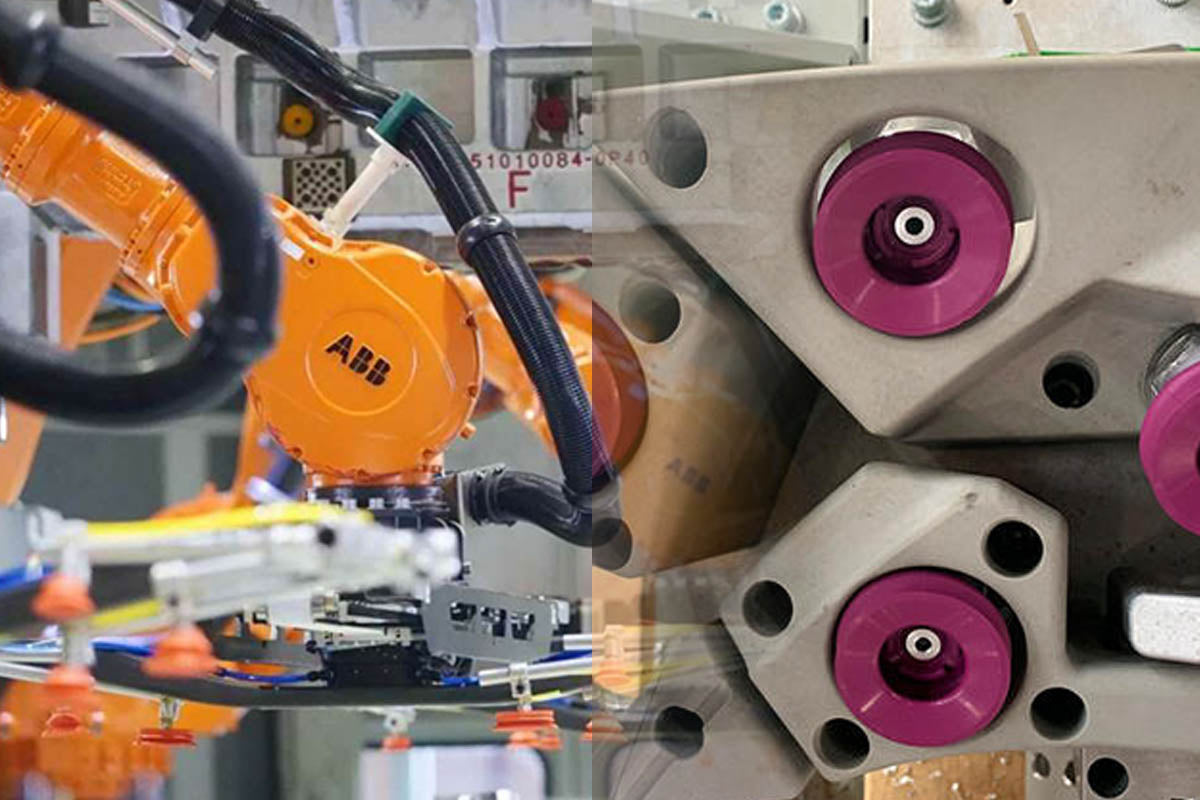
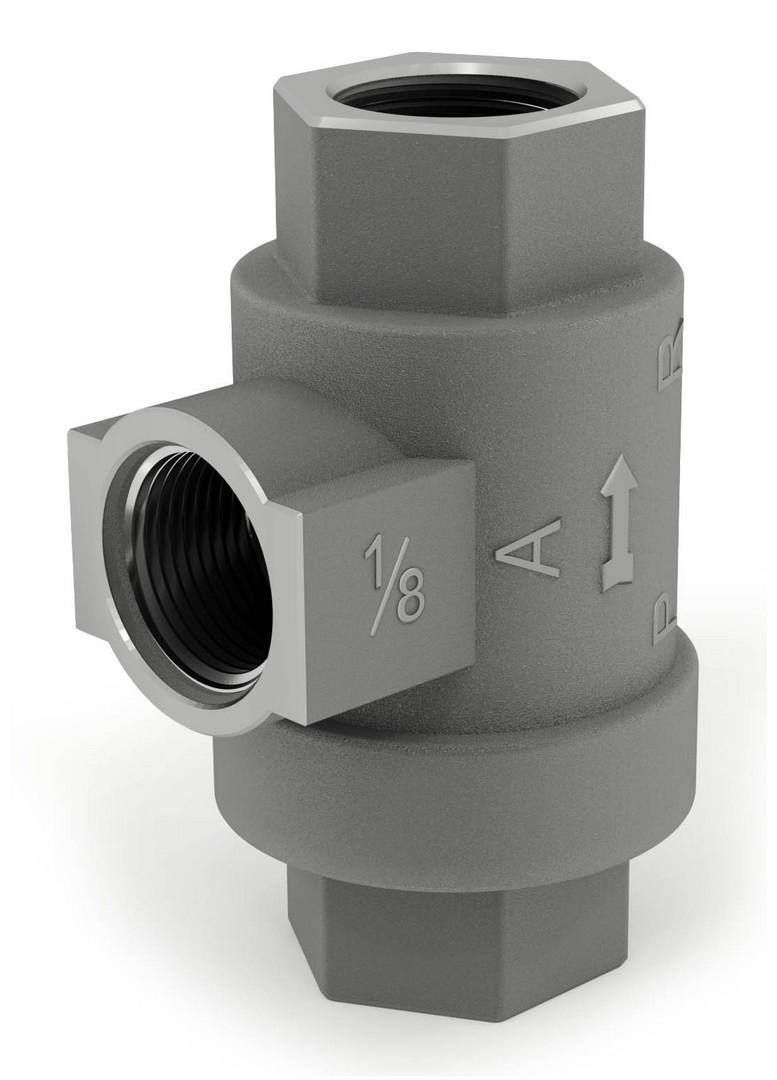
For such operations, large oval or rectangular NBR suction cups with several folds are used, connected to a central vacuum system. Each suction cup is equipped with a fitting with a check valve that maintains the vacuum even during a short-term pump shutdown or if one of the suction cups is damaged. This configuration ensures safe handling of fragile and heavy glass sheets without the risk of damaging the material.
Suction cups are also very commonly used on product packaging lines, where packaging is handled by separating the package using vacuum suction cups.
Tips for Selection and Use
- Evaluate the surface – standard suction cups are suitable for gripping smooth glass or ceramic surfaces, while multi-fold models are better for rough surfaces.
- Consider the load – the greater the weight of the object, the larger the suction cup area or the greater the number of suction cups required, as well as reliable holders for their installation.
- Consider operating conditions – silicone suction cups are suitable for humid environments, while NBR suction cups are suitable for industrial conditions involving chemicals.
A properly selected vacuum suction cup combined with an optimal vacuum source will ensure reliable attachment and long service life, whether it is a holder for a bathroom or industrial equipment for material handling. Our online store also offers other accessories for your production needs, and our managers can help you select vacuum-operated equipment and calculate the contact force for surfaces such as tiles or metal sheets.
Frequently Asked Questions:
What are vacuum suction cups used for?
They are used in manufacturing for lifting glass, sheet metal, plastic, robotics, packaging equipment (box production), and other products.
How do vacuum suction cups work?
The principle is based on creating a pressure difference. When an elastic suction cup is pressed against a surface and the central part is subsequently pulled away, a space with reduced pressure (vacuum) is created. Atmospheric pressure from outside presses the suction cup against the surface, providing adhesion.
How does a vacuum ejector work?
A vacuum ejector (pump) creates negative pressure using the Venturi effect. Compressed air passes through a constricting nozzle, rapidly increasing its velocity and creating a low-pressure zone. Air from the connected system is drawn into this zone, creating a vacuum.

