




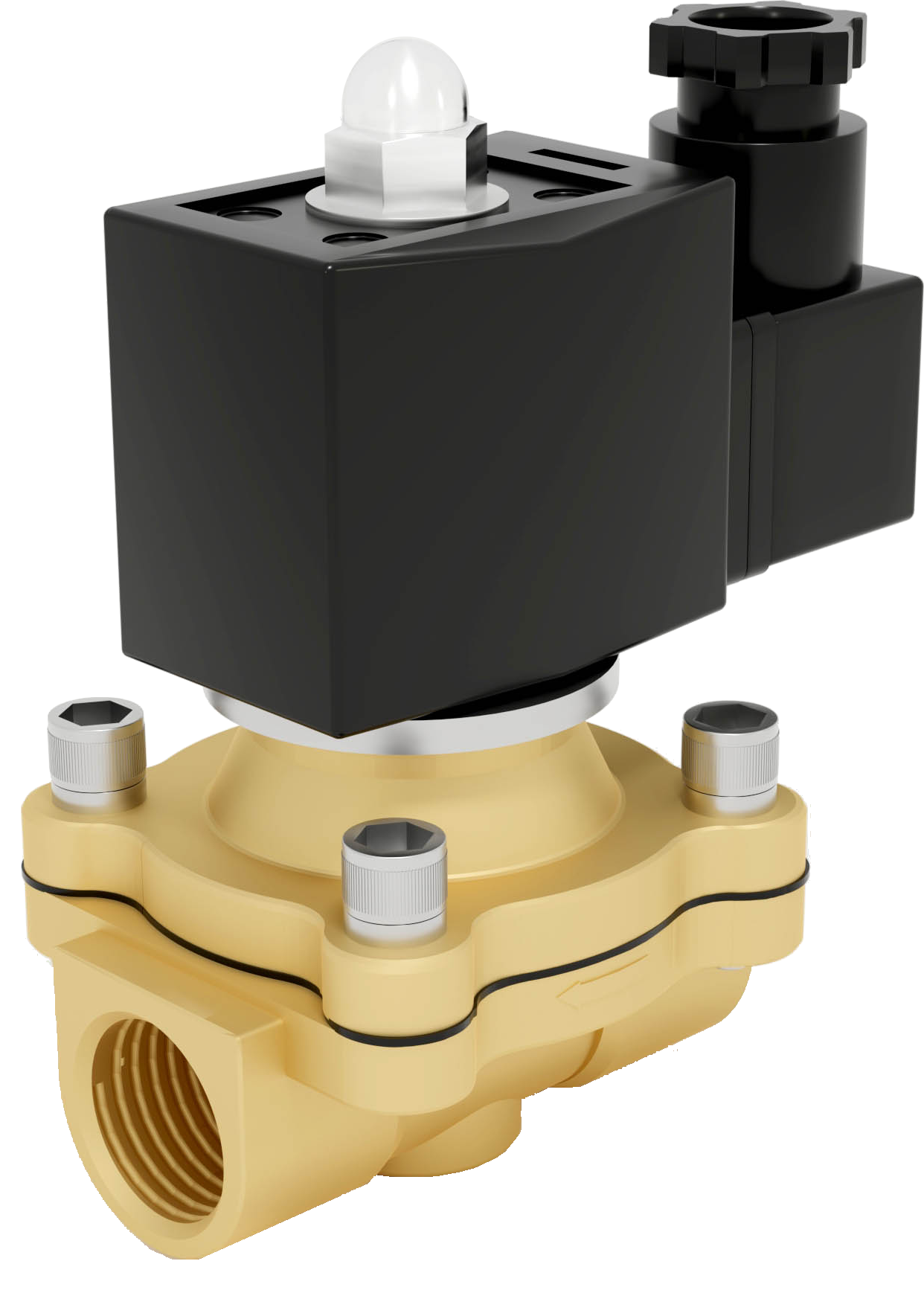
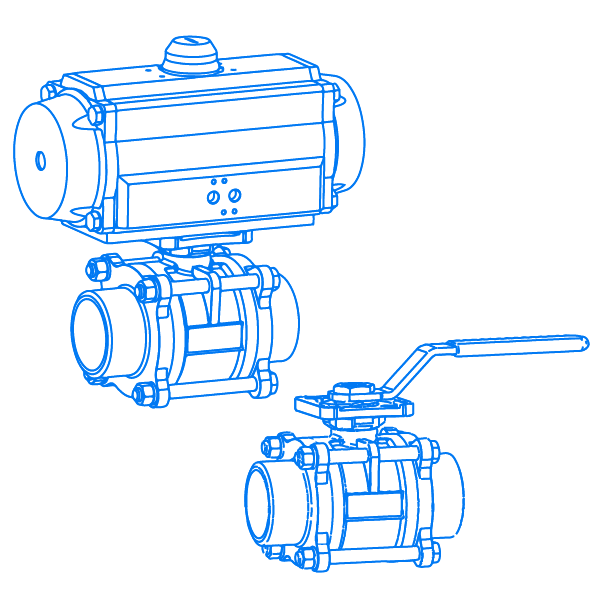
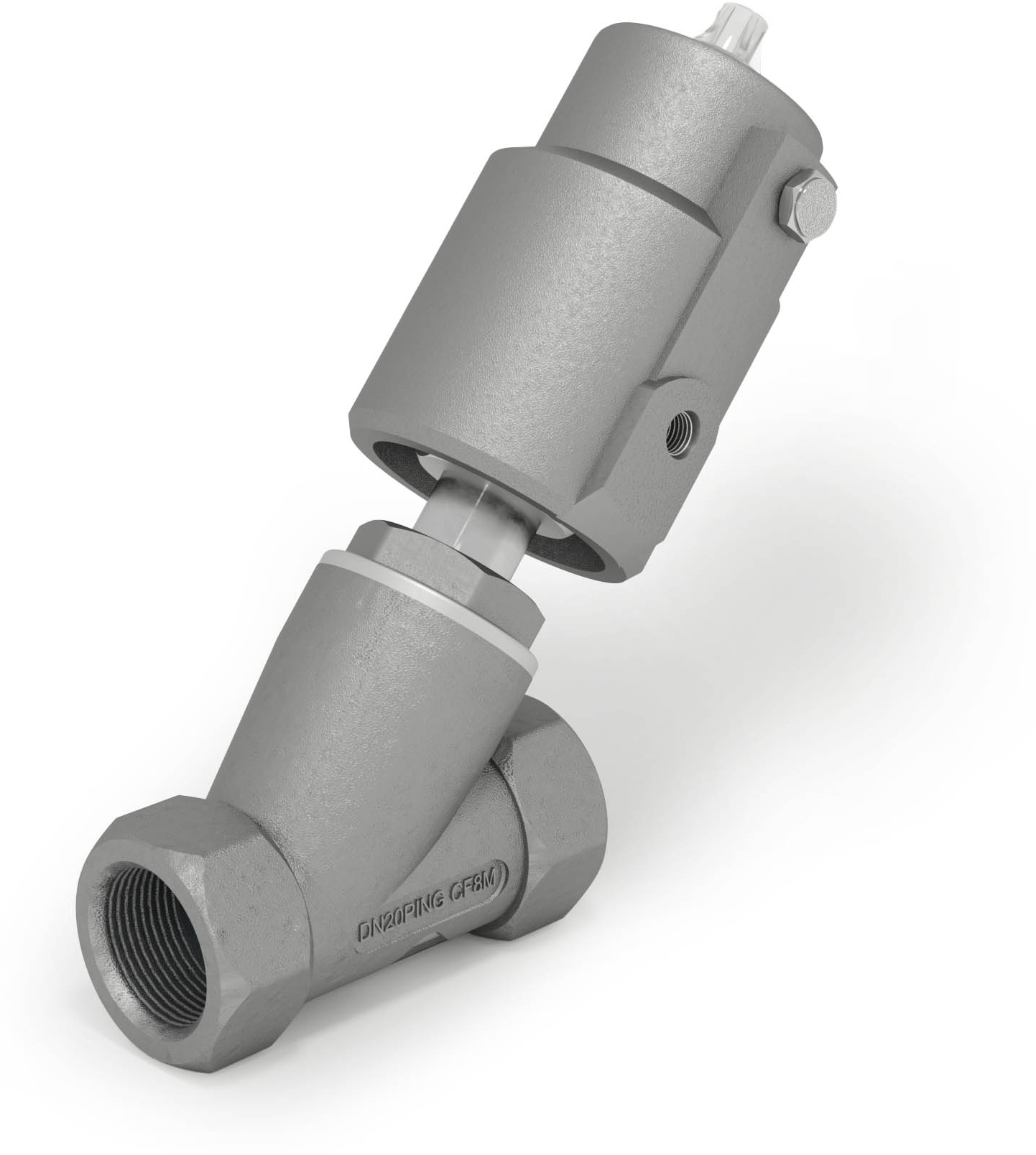
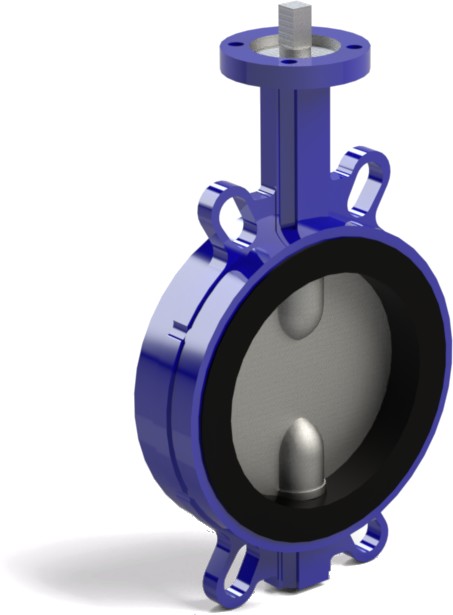
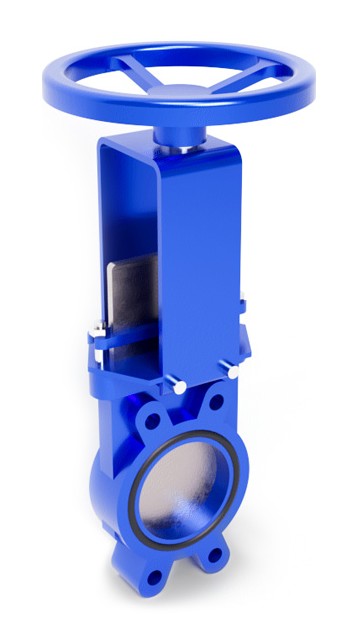
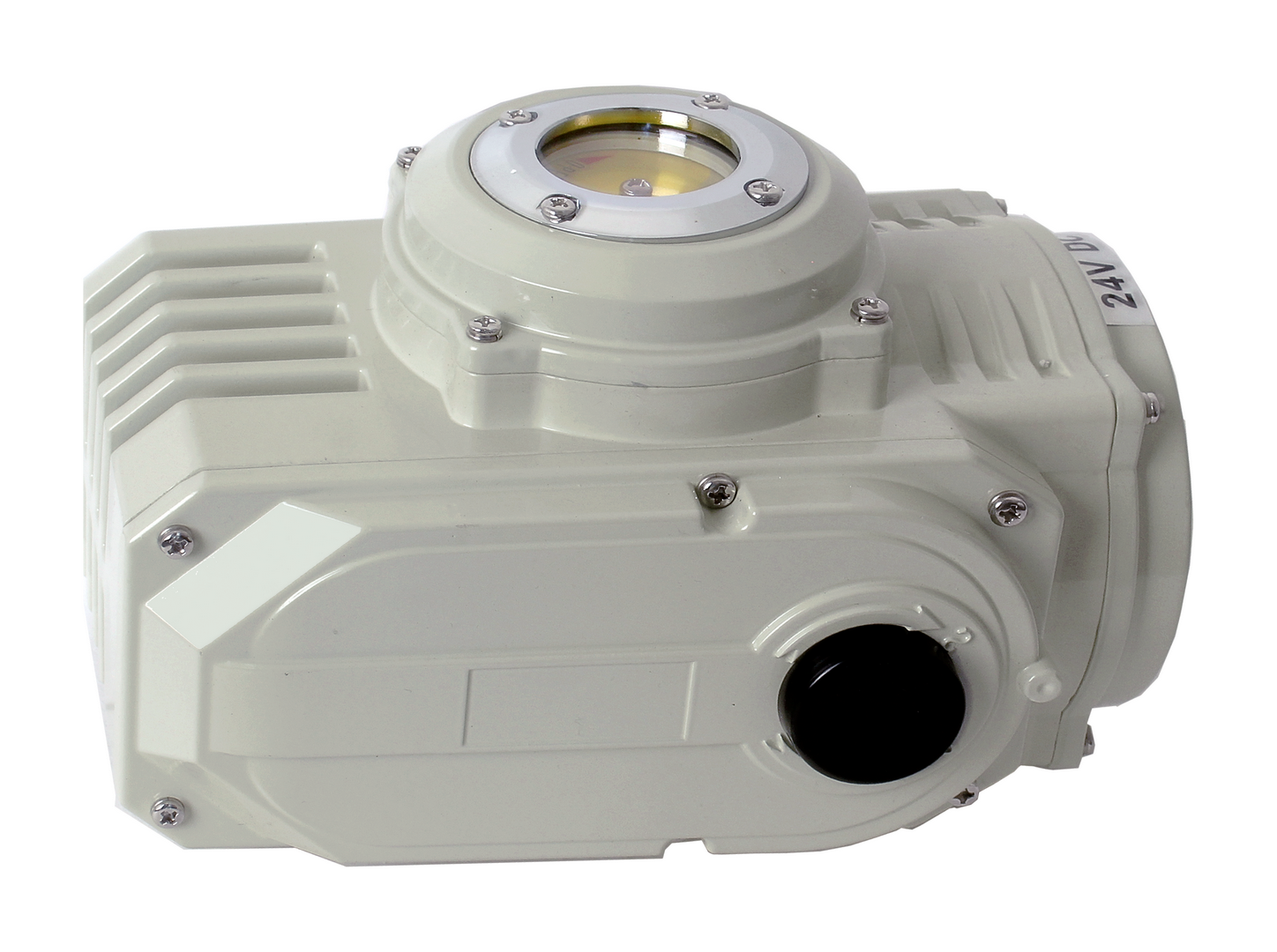
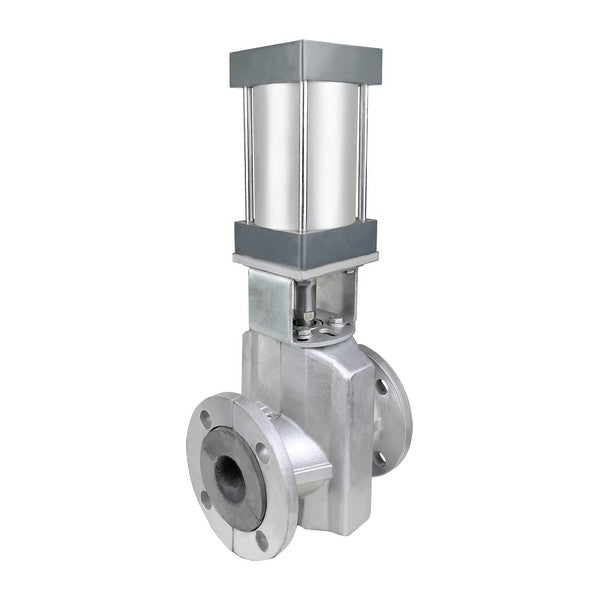
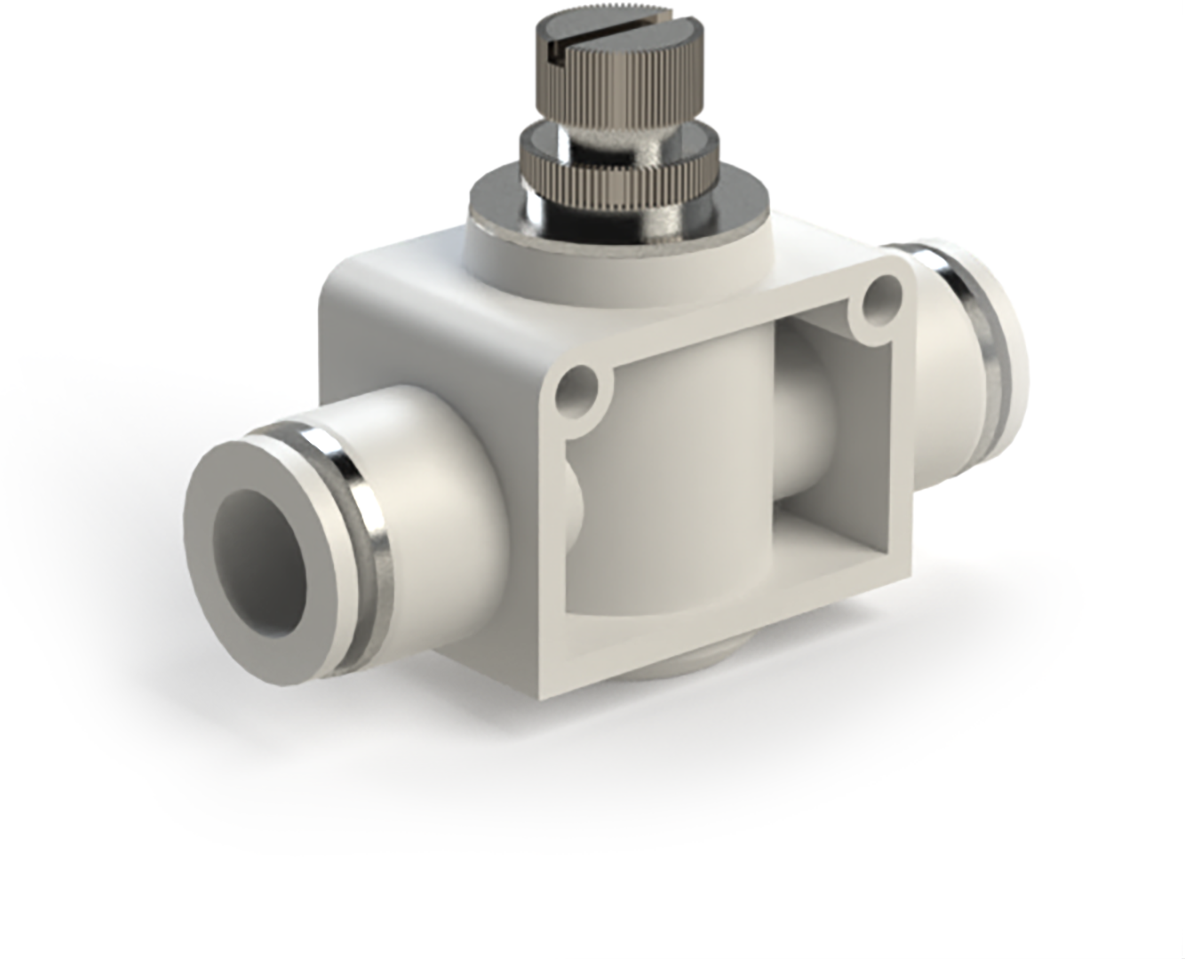
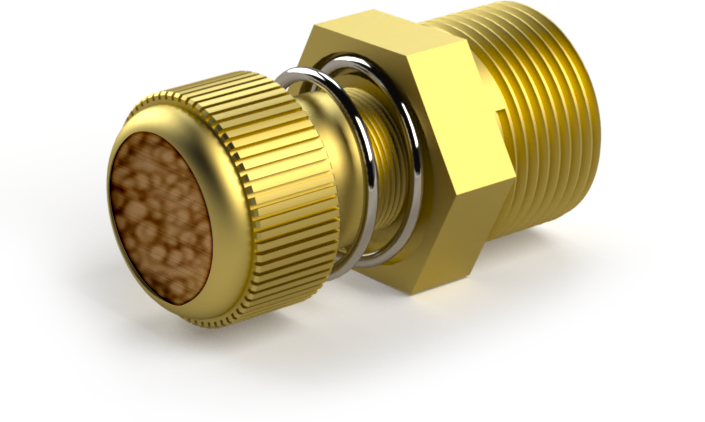
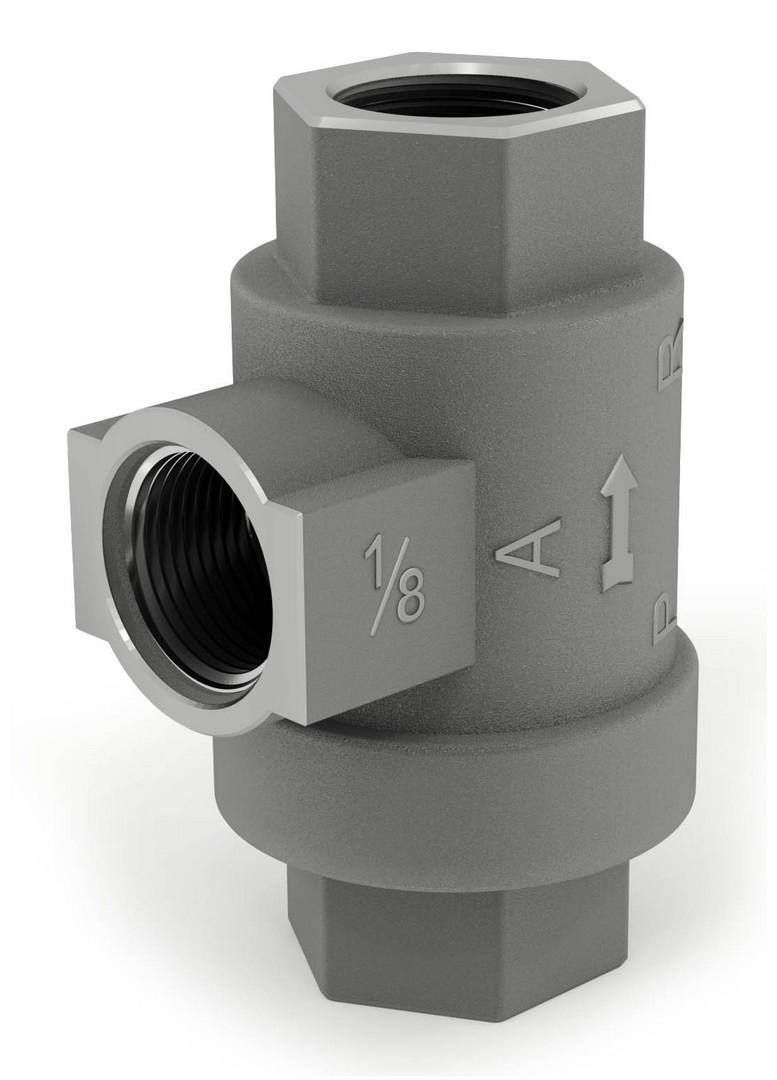



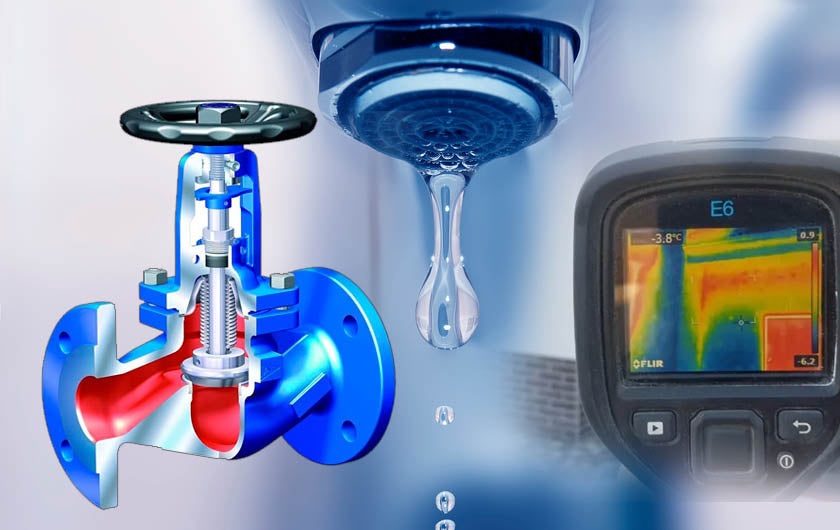
Shut-off valves are the most important element of any pipeline system, ensuring reliable control of liquid and gas flows within a pipeline. One of the key characteristics of shut-off equipment is the tightness class, which determines its ability to prevent leakage of the working medium. The correct selection of the tightness class directly affects the efficiency, safety, and durability of the entire system.
Purpose of Shut-Off Devices
Before moving on to tightness classes, it is important to understand the main purpose of a shut-off element. The type of design and options for blocking pipes and water supply in industrial applications. Shut-off valves are designed for complete shut-off of the working medium flow (liquid, gas, steam) in a pipeline and have two main operating positions: "open" and "closed". Unlike control equipment, shut-off valves are not intended for regulating the flow rate of the medium.
Main functions of shut-off devices:
- Complete shut-off of the working medium flow
- Ensuring tightness in the closed position
- Minimal hydraulic resistance in the open position
- Ensuring safety during the operation of pipeline systems
- Possibility of carrying out repair and maintenance work
What Belongs to Shut-Off Valves
Shut-off valves include various devices that ensure the blocking of the working medium flow:
- Gate valves — devices in which the shut-off element moves perpendicular to the medium flow.
- Valves (cocks) — devices with a rotary shut-off element in the form of a cylinder or cone.
- Globe valves — devices with a shut-off element moving parallel to the axis of the medium flow.
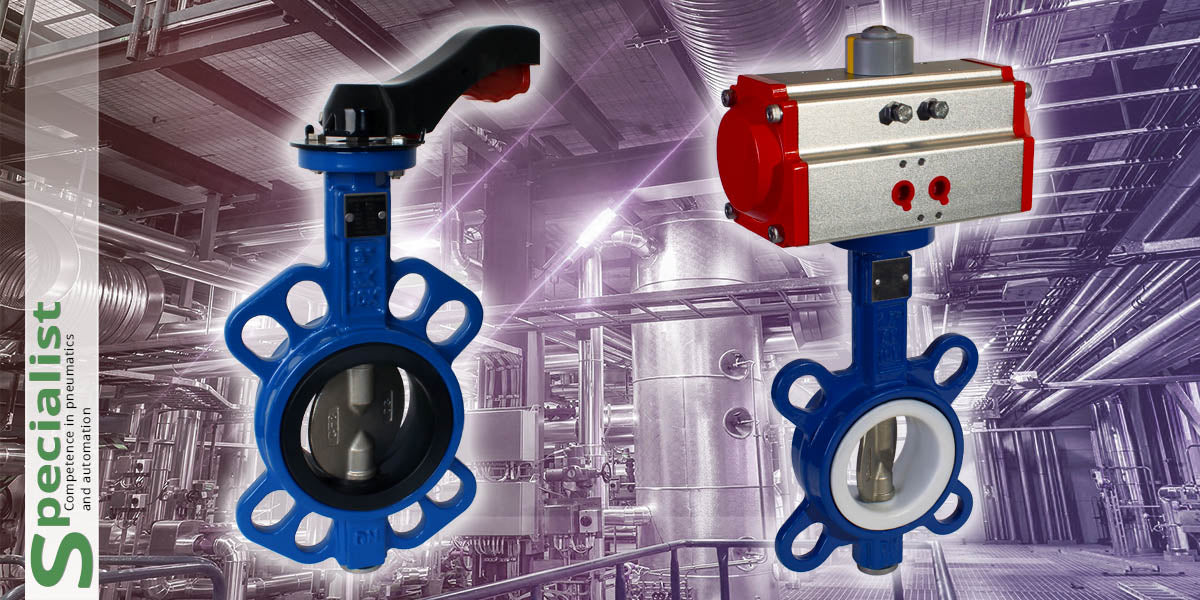
- Butterfly valves — devices with a rotary shut-off element in the form of a disc.
- Dampers — devices with a rotary shut-off element in the form of a plate.
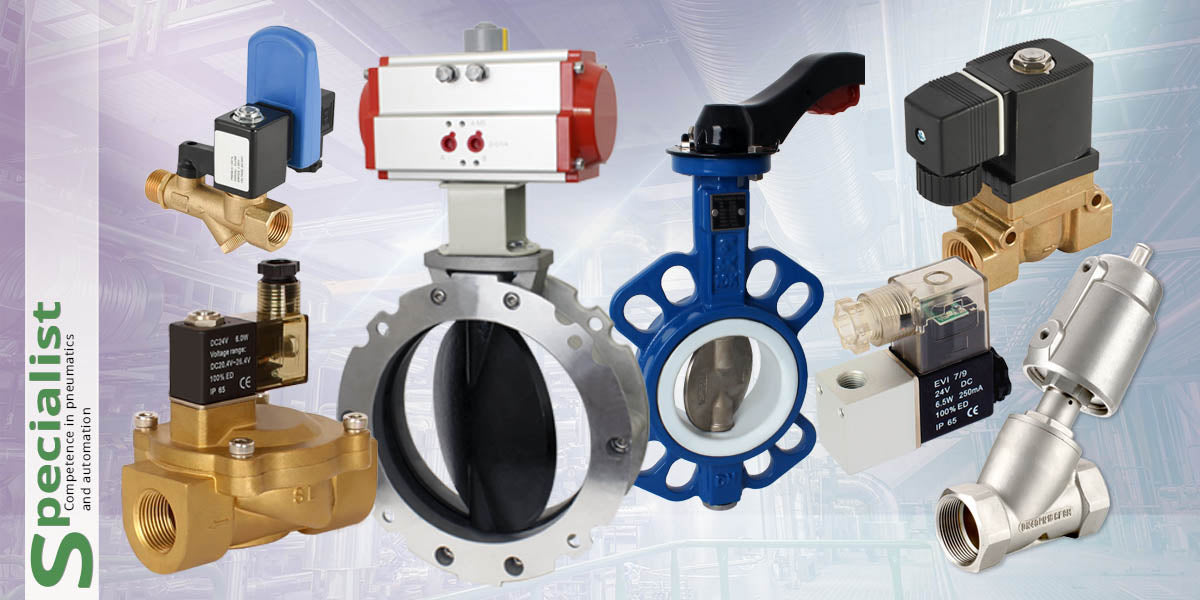
Classification of Pipeline Valves
Shut-off valves are classified according to various parameters:
By design:
- Gate valves (wedge, parallel, knife, disc)
- Valves (ball, conical, plug)
- Globe valves
By control method:
- Manual
- Electric actuated
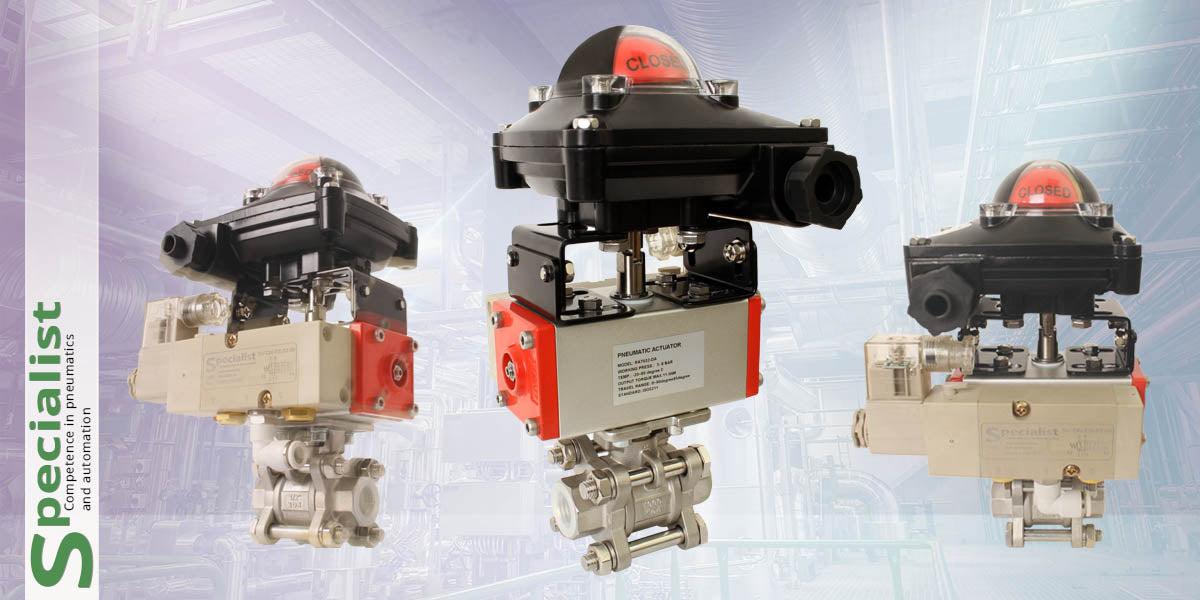
- Pneumatic actuated
- Hydraulic actuated
- Solenoid operated
By body material:
- Steel
- Cast iron
- Brass
- Bronze
- Stainless steel
- Polymeric materials
By pipeline connection type:
- Flanged
- Threaded (coupling)
- Welded
- Spigot
- Union
By operating conditions:
- General industrial
- For aggressive media
- Cryogenic
- For high temperatures
- For high pressure
Tightness Class of Pipeline Valves
The tightness class is one of the most important characteristics of shut-off equipment. It determines the maximum permissible leakage of the working medium through a closed shut-off element. In Ukraine and European countries, the tightness classes of shut-off valves are regulated by DSTU EN 12266-1:2015 and the international standard ISO 5208:2015 "Industrial valves - Pressure testing of metallic valves".
Tightness classes according to ISO 5208:2015:
- Class A — no visible leakage (absolute tightness)
- Class B — leakage not exceeding 0.01 × DN mm³/s for liquids
- Class C — leakage not exceeding 0.03 × DN mm³/s for liquids
- Class D — leakage not exceeding 0.1 × DN mm³/s for liquids
- Class E — leakage not exceeding 0.3 × DN mm³/s for liquids
- Class F — leakage not exceeding 1.0 × DN mm³/s for liquids
where DN is the nominal diameter of the valve in mm.
Tightness classes according to DSTU EN 12266-1:2015:
- Grade A — no visible leakage
- Grade B — slight visually observable leakage (droplet formation)
- Grade C — visually observable leakage (continuous dripping)
- Grade D — visually observable leakage (continuous jet)
The tightness class is selected depending on:
- Type of working medium (liquid, gas, steam)
- Safety requirements
- Economic considerations
- Technological features of the system
- Environmental requirements
For systems with hazardous, toxic, or expensive media, valves with a high tightness class (A or B according to ISO 5208) are usually selected. For less critical applications, pipeline valves with tightness classes C, D, or lower may be used.
Types of Shut-Off Valves and Their Features
Gate Valves
Gate valves are shut-off valves in which the shut-off element moves perpendicular to the flow of the working medium. They are widely used in pipeline systems for various purposes.
Advantages of gate valves:
- Low hydraulic resistance in the open position
- Suitable for large diameters
- Medium can flow in either direction
- Relatively simple design
Disadvantages of gate valves:
- Large installation length
- Long opening/closing time
- Requires high operating torque
Types of gate valves:
- Wedge gate valves (solid wedge, resilient wedge, split wedge)
- Parallel gate valves (rising stem, non-rising stem)
- Knife gate valves
Valves (Cocks)
Valves are shut-off devices with a rotary shut-off element in the form of a cylinder or cone, featuring a through-hole for medium passage.
Advantages of valves:
- Quick opening/closing (1/4 turn)
- Low hydraulic resistance
- Compact design
- High tightness
Disadvantages of valves:
- Increased wear of sealing surfaces
- Complex manufacturing for large diameters
- Sensitivity to contamination in the working medium
Types of valves:
- Ball valves (full-port, reduced-port, segment)
- Conical valves
- Plug valves (lubricated, non-lubricated)
Globe Valves
Globe valves are shut-off valves in which the shut-off element moves parallel to the axis of the working medium flow.
Advantages of globe valves:
- Compact design
- High tightness
- Ease of manufacturing
- Reliable operation
Disadvantages of globe valves:
- Significant hydraulic resistance
- Need for high operating force at high pressure
- One-way flow direction
Types of globe valves:
- Shut-off
- Check
- Safety
- Control
Butterfly Valves
Butterfly valves are shut-off devices with a rotary disc-shaped shut-off element that rotates around an axis perpendicular to or angled relative to the direction of the working medium flow.
Advantages of butterfly valves:
- Compact design
- Short installation length
- Quick opening/closing
- Light weight
- Low cost
Disadvantages of butterfly valves:
- Limited tightness
- Increased seal wear
- High hydraulic resistance
Applications of butterfly valves:
- Ventilation and air conditioning systems
- Water supply systems
- Food industry
- Firefighting systems
- Chemical industry (for shutting off non-aggressive pipelines)
Types of Shut-Off and Control Valves
Shut-off and control valves combine the functions of shut-off and control valves, allowing not only the shut-off of the working medium flow but also regulation of its flow rate.
Control valves are divided into the following types:
- Shut-off and control valves — this type provides both flow shut-off and flow regulation in industrial pipelines.
- Control gate valves — modified gate valves with flow regulation capability.
- Control ball valves — ball valves with a profiled opening for flow regulation.
- Butterfly valves with control function — provide flow regulation by changing the angle of disc rotation.
- Needle valves — provide precise regulation of low flow rates.
Shut-off and control valves are used in systems where both complete flow shut-off and flow regulation are required, allowing optimization of the number of valves used and reducing installation and maintenance costs.
Valve Marking
The marking on the valve body contains important information about its characteristics, application conditions, and testing requirements. It usually includes the following elements:
- Valve type (gate valve, valve, globe valve, etc.)
- Nominal diameter (DN) — nominal internal diameter in mm
- Nominal pressure (PN) — maximum working pressure in MPa or bar
- Body material (material options: steel, cast iron, brass, etc.)
- Seal material (PTFE, NBR, EPDM, etc.)
- Connection type (flanged, threaded, welded)
- Tightness class (A, B, C according to ISO 5208)
- Operating temperature (maximum and minimum)
According to ISO 6708 and DSTU EN 19:2015, the marking must contain the following mandatory information:
- Manufacturer's name or trademark
- Nominal size (DN)
- Nominal pressure (PN)
- Body material
- Maximum operating temperature
- Conformity marking (CE for European countries)
Example of marking according to European standards: "Butterfly Valve DN100 PN16 GGG40 -20°C/+120°C ISO 5752-20", where:
- Butterfly Valve — valve type (butterfly valve)
- DN100 — nominal diameter 100 mm
- PN16 — nominal pressure 16 bar
- GGG40 — body material (ductile iron)
- -20°C/+120°C — operating temperature range
- ISO 5752-20 — standard defining face-to-face dimensions
Understanding valve marking allows correct selection of valves for specific applications and ensures compatibility with existing systems.
Selection of Shut-Off Valves
When selecting shut-off valves, many factors must be taken into account:
1. Working medium parameters:
- Type of medium (liquid, gas, steam)
- Chemical composition and aggressiveness
- Temperature
- Pressure
- Viscosity
- Presence of solid particles
2. Operating conditions:
- Switching frequency
- Required opening/closing speed
- Accessibility for maintenance
- Environmental conditions (humidity, temperature, aggressiveness)
- Explosion and fire hazards
3. Technical characteristics:
- Nominal diameter (DN)
- Nominal pressure (PN)
- Tightness class according to ISO 5208 or DSTU EN 12266-1
- Body and sealing materials
- Connection type
- Face-to-face dimension
- Control type (manual, electric, pneumatic)
4. Economic factors:
- Valve cost
- Installation cost
- Operating and maintenance expenses
- Service life
- Warranty period
5. Standards and regulatory requirements:
- Ukrainian standards (DSTU)
- European standards (EN)
- International standards (ISO)
- Industry standards (API, DIN)
- Safety requirements
For systems with high tightness requirements (for example, transportation of hazardous or expensive media), it is recommended to select valves with tightness class A or B according to ISO 5208. For less critical applications, valves with classes C, D, or lower may be used.
Need a valve, gate valve, or globe valve?
We can select the optimal type of pipeline valve for your application, as well as the material and sealing components that are most resistant to your operating medium.
Call free of charge within Ukraine
+38 0800 210 317Installation of Shut-Off Valves
Proper installation of shut-off valves is crucial for their efficient operation and long service life. During installation, the following rules should be observed:
1. Preparatory work:
- Verification of valve compliance with design documentation
- Visual inspection of the valve for defects
- Verification of certificates and documentation availability
- Preparation of installation tools and materials
2. General installation requirements according to ISO 5208 and DSTU EN 12266:
- Compliance with flow direction (if specified by design)
- Providing access for operation and maintenance
- Ensuring the possibility of disassembly for repairs
- Protection against mechanical damage
- Providing supports for heavy valves
- Eliminating additional mechanical loads on the valve
3. Installation features of different valve types:
- Gate valves: installed on horizontal and vertical pipeline sections, with the stem positioned vertically upward
- Ball valves: can be installed in any position, preferably with the stem in a horizontal position
- Globe valves: installed on horizontal pipeline sections, with the stem positioned vertically upward
- Butterfly valves: can be installed in any position, but the flow direction must be taken into account.
4. Connection methods:
- Flanged connection: requires gaskets and bolted connections; bolts should be tightened in a cross pattern according to ISO 7005 requirements
- Threaded connection: requires sealing materials (PTFE tape, flax, anaerobic sealants)
- Welded connection: requires compliance with welding procedures and protection of sealing elements from overheating according to ISO 9606
- Wafer connection: requires the use of special fastening elements
5. Testing after installation according to ISO 5208 and DSTU EN 12266:
- Hydraulic or pneumatic strength and tightness testing
- Verification of valve operability (opening/closing)
- Leak testing of connections
- Leak testing of the shut-off element
Proper installation of shut-off valves ensures reliable operation, the declared tightness class, and a long service life.
Conclusion
Selecting the optimal tightness class of shut-off valves is an important task in the design and operation of pipeline systems. The correct choice ensures the safety, efficiency, and cost-effectiveness of the system.
When selecting shut-off valves, many factors must be considered, including working medium parameters, technical characteristics, economic factors, and regulatory requirements. For systems with high tightness requirements, it is recommended to choose valves with tightness classes A or B according to ISO 5208.
Different types of shut-off valves (gate valves, valves, globe valves, butterfly valves) have their own advantages and limitations that should be considered during selection. In addition, attention should be paid to valve marking, which contains important information about characteristics and operating conditions according to international ISO standards and European EN standards adopted in Ukraine as DSTU.
Proper installation of shut-off valves is crucial for efficient operation and ensuring the declared tightness class. During installation, it is necessary to comply with the manufacturer's requirements and regulatory documents.
Ultimately, the correct choice of tightness class and type of shut-off valve, as well as proper installation and operation, make it possible to create a reliable and efficient pipeline system that meets all safety and economic requirements.

