










Hydraulic Oil for Compressors
 In Stock
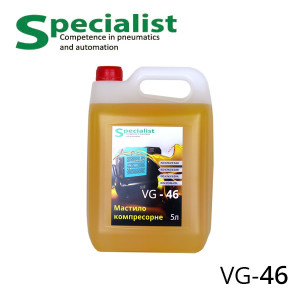
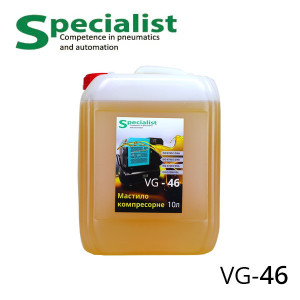
Hydraulic Oil for Compressors
Compressor oil is a hydraulic lubricant ISO VG 46 mineral-synthetic with additives for air compressors, screw, rotary vane and reciprocating types. Here you can buy brand oil that has undergone testing and certification, ensuring reliable protection of screw pairs and extending service life.
Characteristics of compressor oil viscosity 46 mm²/s
Lubricants ISO VG46 have various classifications due to the inclusion of specialised additives — some are more intended for transmissions, hydraulics, and vacuum pumps, whereas compressors require specific anti-foaming additives in air mixtures and properties retention when working under pressure and heating.
If you notice oil foaming or forming deposits — it is unsuitable or of low quality. We recommend stopping work and replacing the oil immediately, as otherwise compressor equipment may suffer irreversible damage to costly screws.
What are the differences between compressor and motor oil?
Compressor oil is more liquid, less ash-forming, and contains specific deaeration and anti-foam additives that prevent the formation of air bubbles. If you added oil to a screw compressor and it started foaming, this oil is for other purposes.
Using unsuitable types of oils reduces the efficiency of the entire compressor installation and can lead to breakdowns. Additionally, it is a violation of operating rules and removes warranty obligations from the manufacturer and supplier.
What is the viscosity of the compressor oil?
Air compressors are filled with oils of various viscosities:
- ISO VG 32 (VDL 46) — intended for screw and vane (rotary) compressors. This oil is rarely used for reciprocating installations;
- ISO VG 100/150 and VDL 100/150 — suitable for most reciprocating compressors.
It is advisable to consult the compressor manufacturer regarding the choice of a specific brand of oil, as products with different chemical compositions can react with one another, so mixing should be avoided.
Can compressor oils be mixed?
It is not recommended to mix even two identical brands of compressor oil from different manufacturers due to possible reactions of their components, resulting in sediment formation and property deterioration. If you decide to change the oil supplier, completely remove the remains of the old oil.
What can replace compressor oil?
Specialised oil is necessary for the proper operation of the compressor, and unsuitable substitutes lead to prompt failure.
How often should compressor oil be changed?
Compressor oil needs to be topped up and fully replaced according to the maintenance schedule provided in the manual — for screw compressors, every 500-2,000 hours of operation (depending on cooling type and operating conditions). The composition and quality of the oil also impact replacement frequency — used oil loses its protective properties, visibly resulting in a dark colour and the presence of contamination.
Parameters according to ISO VG 46
ISO VG (viscosity grade) — indicates the oil grade and viscosity at a temperature of 40ºC:
- Average value — 46 mm²/s;
- Minimum value — 41.4 mm²/s;
- Maximum value — 50.6 mm²/s.
Compressor Oil Certification from Specialist
Our company "Specialist" has been supplying compressor equipment since 2017. We supply verified hydraulic oil that has undergone laboratory testing:
- Testing by the R.O.C.O.T. method to determine the oxidative stability of oil poured into screw or rotary compressors — assesses resistance to oxidative aging and the absence of deposits and residues.
- Wear resistance parameters by the NIMA method (FZG in accordance with DIN 51 354, IP 334, ASTM D5133) — a practical test on the ability of the oil to maintain an oil film and prevent gear tooth wear and scoring under extreme conditions. The highest 9 load stage is used for high-quality compressor oils to simulate the harshest conditions and test thermo-oxidative stability.
-
Labelling according to ISO 6743/3 indicates for which compressors the oil is suitable. Thus, in our range, the oil is marked:
- DAH and DAB — oils for reciprocating compressors. DAB indicates higher performance.
- DVA — oils for rotary compressors, including screw and vane types.
Mineral VS Synthetic Oil for Compressors
Mineral compressor oil is based on hydrocarbon derivatives from oil refining, whereas synthetic oils are synthesised from PAO, PAG, polyester compounds. The advantage of synthetic hydrocarbons is the ability to achieve a uniform molecular structure of the oil, enhancing its properties, though the complexity of production makes synthetics more expensive.
Semi-mineral and semi-synthetic oils are currently popular. This allows for very stable lubricant properties at a more reasonable cost. Paraffin-based mineral components with unique properties are used — temperature and chemical stability. Such a mixed type of oil is recommended for our screw compressors.
When choosing any type, pay attention to compliance and obtained certificates — as these indicate how well the mineral base oil was refined, and how effectively it will protect the compressor screws.
Only change the used oil for another in extreme cases — as manufacturers' compositions vary, this can lead to unpredictable reactions. It is advisable to consult the manufacturer before replacement.
- Pre-test oils for sediment formation when mixed
- Completely drain old oil even if its service life has not expired
- Use new oil to rinse out the remains of the old and drain again
- Only after this should new oil be used and observe the absence of sediment, foam, etc.