




- Key Facts About Solenoid Valves
- What Is the Difference Between Electromagnetic, Solenoid, and Pilot-Operated Valves?
- How Does a Solenoid Valve Work?
- What Media Can Solenoid Valves Be Used With?
- Solenoid Valve Operating Schemes
- Types of Specialized Solenoid Valves
- Operating Principle of a Solenoid Valve
- Solenoid Valve Selection Criteria
- Examples of Solenoid Valve Applications
- Frequently Asked Questions from Our Customers
Key Facts About Solenoid Valves
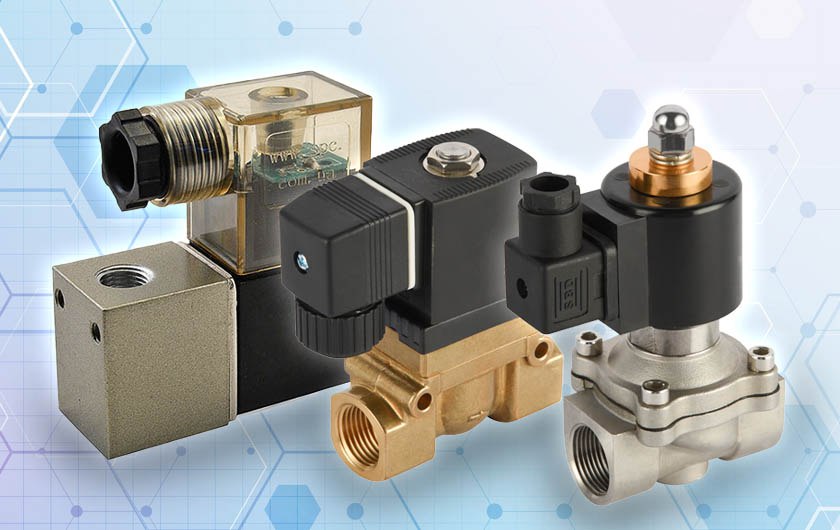
Solenoid valves are devices used to control the flow of liquids or gases by means of an electromagnetic field. Here are several facts about solenoid valves.
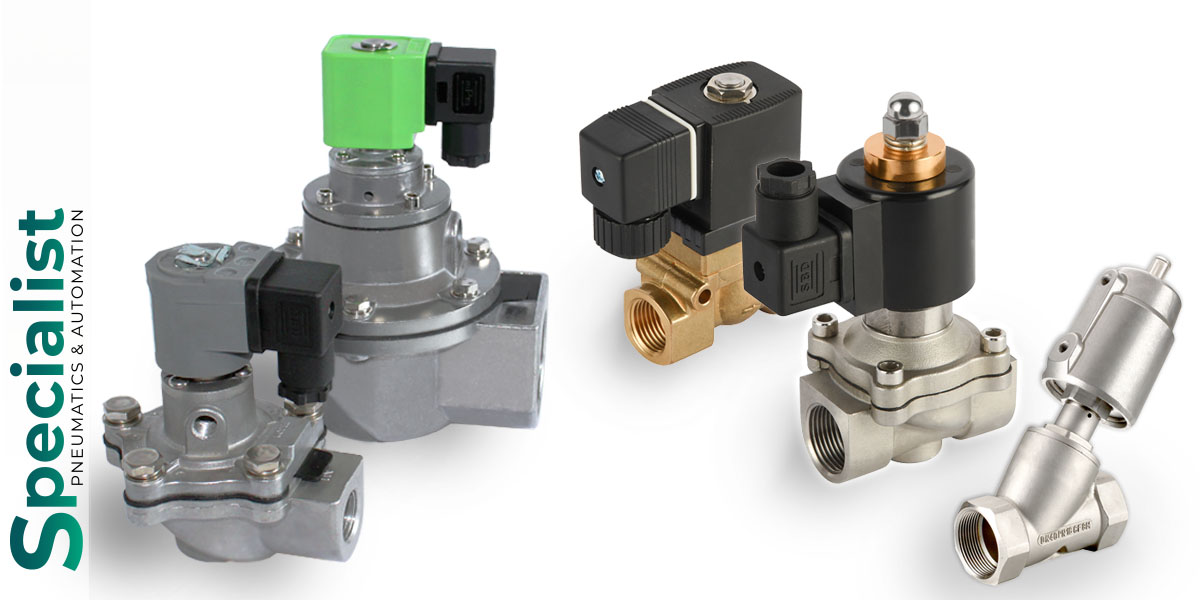
- Operating principle: Solenoid valves consist of an electromagnet and a controlled element that regulates the flow. When an electric current passes through the electromagnet, it creates a magnetic field that causes the controlled element to move and opens or closes the valve.
- Used in many industries: Solenoid valves are used in various industries, including food processing, metalworking and mechanical engineering, medical equipment, water supply systems, etc. They are used to control the flow of water, steam, lubricants, gas, and other liquids or gases.
- They are a type of shut-off valve: Solenoid valves operate in an open/closed mode. When electric current is applied to the electromagnet, the controlled element moves and opens or closes the passage for the flow.
- Various designs: There are many types of valves, such as throttle and pulse valves, diaphragm and piston valves. Each type has its own features and is used depending on the specific requirements of the system.
- Fast response: Solenoid valves respond quickly to signal changes, allowing precise control of flow in liquid or gas processes. They can open and close in fractions of a second, providing high accuracy and efficiency. By using different combinations of valves and controlled elements, different levels of opening or closing can be achieved, allowing precise control of the flow in the system.
- Energy efficiency: Properly selected pilot-operated solenoid valves consume a small amount of energy, making them energy-efficient. They can be easily integrated into automation and control systems, helping to save resources and optimize process operation.
- Durability and reliability: Due to their simple design and minimal number of moving parts, solenoid valves generally offer high reliability and durability. With proper maintenance, they can operate for a long time without significant wear.
These are just some facts about solenoid valves. They are important components in various processes and provide efficient control of liquid and gas flow.
Couldn't find the valve you need?
Contact our sales department — we will select the right option for you from our catalog or offer a custom-made solution.
Call us toll-free in Ukraine
+38 0800 210 317What Is the Difference Between Electromagnetic, Solenoid, and Pilot-Operated Valves?
Electromagnetic, solenoid, and pilot-operated valves are different types of valves that use electromagnetic principles to control the flow of liquids or gases. Here are their definitions and differences:
-
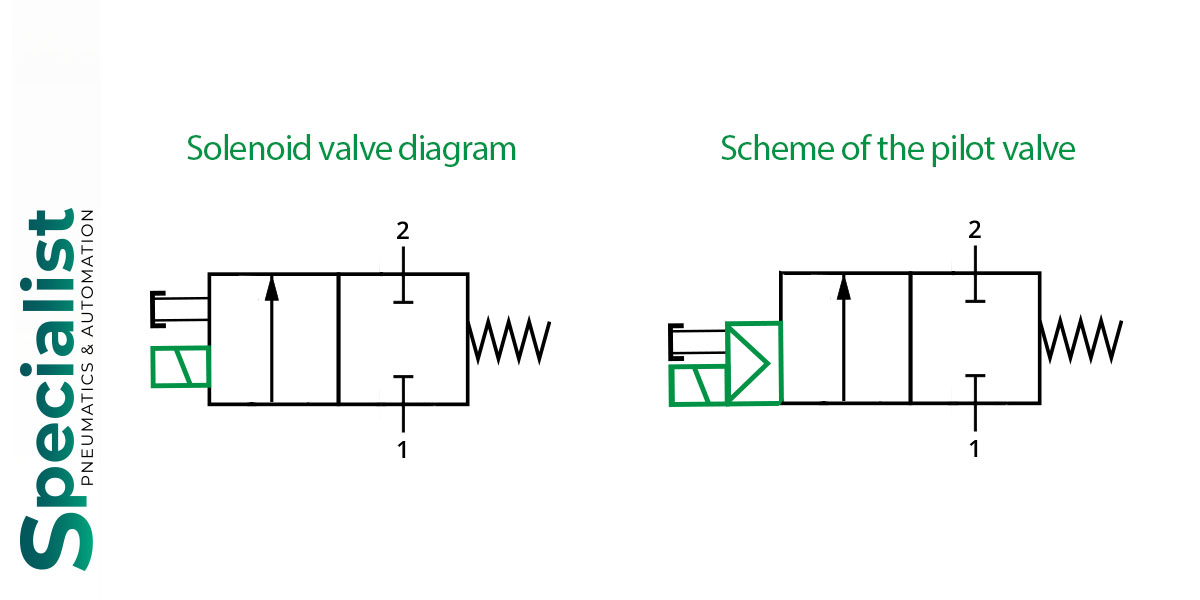
Electromagnetic valve: An electromagnetic valve is a general term that describes a valve controlled by an electromagnet. It includes various types of valves, including solenoid and pilot-operated valves. An electromagnetic valve is a broader term, while solenoid and pilot-operated valves are its subtypes.
-
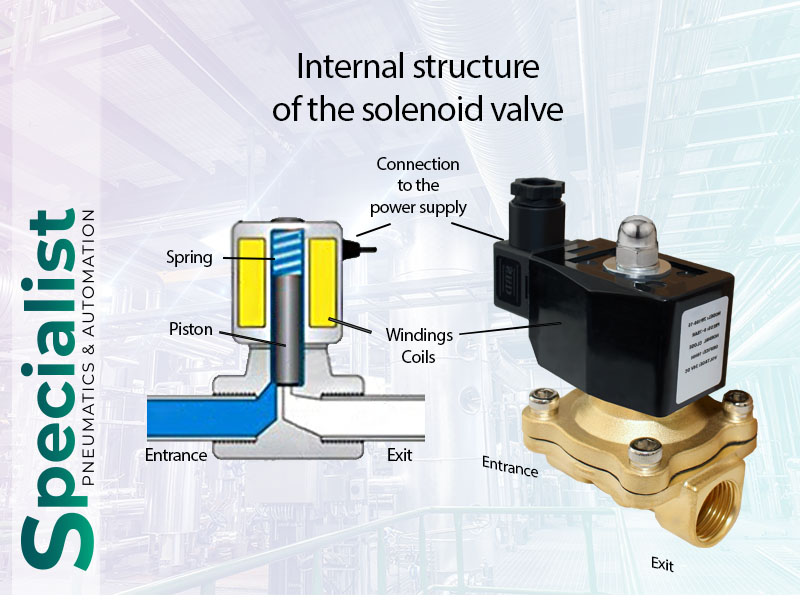
Solenoid valve: A solenoid valve is the most common type of electromagnetic valve. It consists of an electromagnet (solenoid) and a controlled element, such as a pin or piston. When electric current is applied to the solenoid, a magnetic field is created that moves the controlled element, opening or closing the valve to regulate the flow.
-
Pilot-operated valve: A pilot-operated valve uses an electromagnetic valve (usually a solenoid valve) to control another valve. It consists of a pilot solenoid that controls the main valve. When the pilot solenoid is activated, it changes the pressure or flow in the system, which in turn controls the main valve and its position (opening or closing).
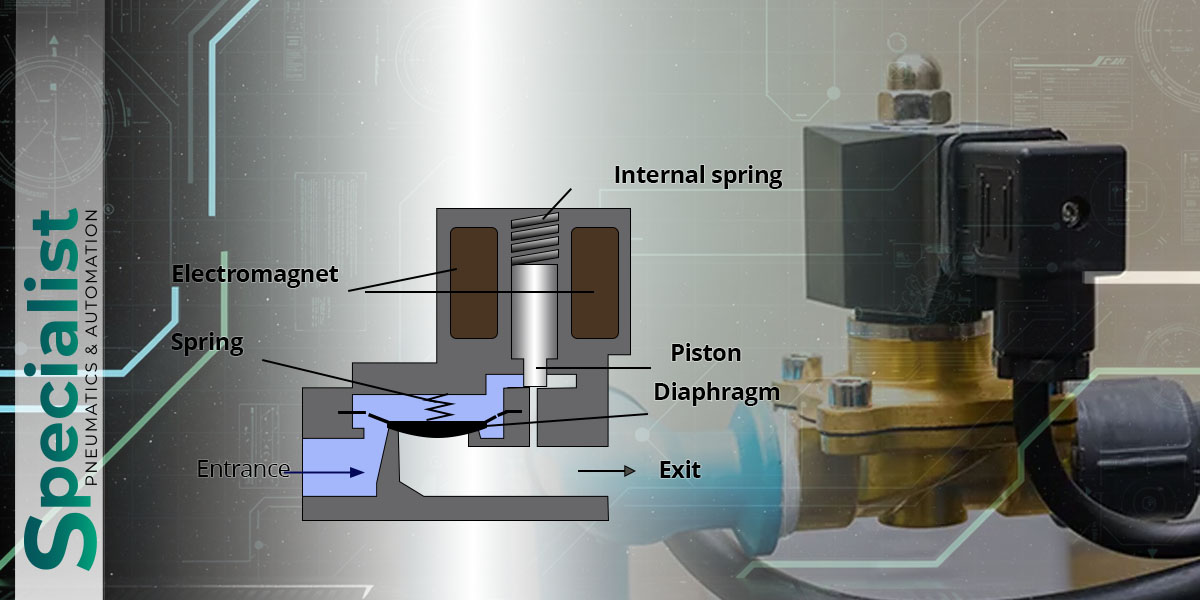
Thus, electromagnetic valves have two specific types: solenoid and pilot-operated valves. Solenoid valves control the flow directly, opening and closing the valve, while pilot-operated valves use a pilot solenoid to control another valve, changing the pressure or flow in the system.
How Does a Solenoid Valve Work?
We will look at how different solenoid valves work — normally open and normally closed. As a rule, they do not differ externally except for their designation, but they have different designs and are intended for different systems.
A normally open solenoid valve (also known as an NO valve, from the English "Normally Open") remains open without electrical current and closes when current is applied. The operation of a normally open solenoid valve is shown in the figure:
Resting state: Without electric current in the electromagnet of a normally open valve, the controlled element (such as a pin or piston) is in the open position. This means that liquid or gas can flow through the valve.
Application of electric current: When electric current is applied to the electromagnet, a magnetic field is created that attracts the controlled element. The controlled element moves toward the electromagnet, closing the valve passage. This interrupts the flow of liquid or gas through the valve.
Flow control: By applying or disconnecting electric current to the solenoid coil, the opening and closing of a normally open solenoid valve can be controlled. When the electric current is disconnected, the valve returns to the open position and the flow passes freely through it.
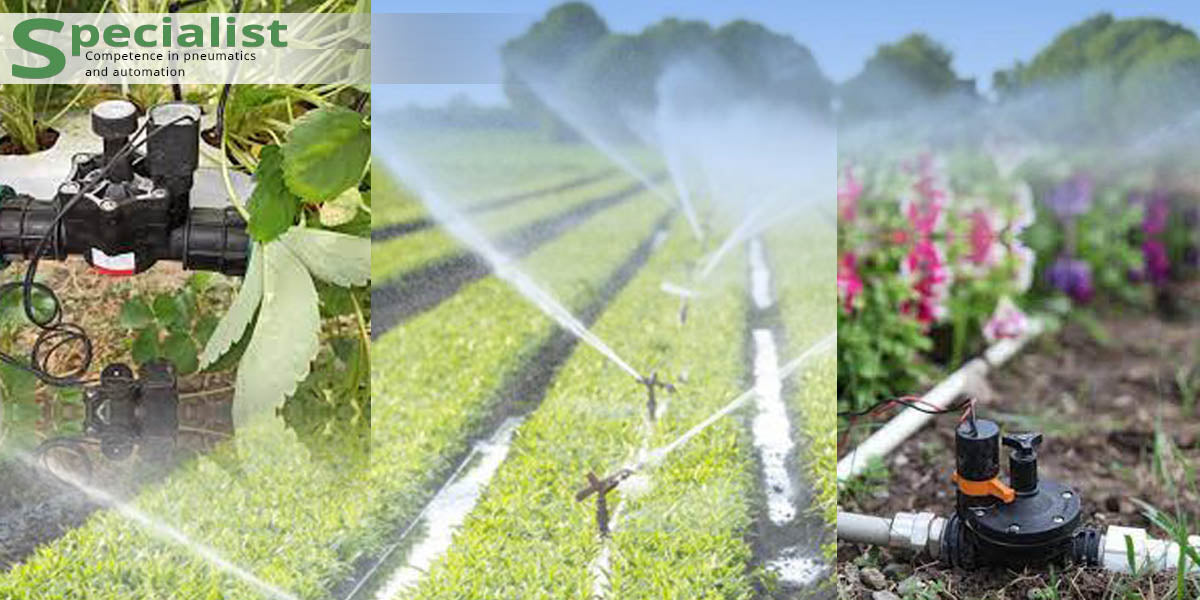
It is important to note that normally open solenoid valves are used in processes where the flow needs to remain open by default and be shut off only when the electromagnet is activated. For example, they can be used in automatic irrigation systems, where the valves need to remain open for continuous water flow and close only when a signal is sent to irrigate a specific area.
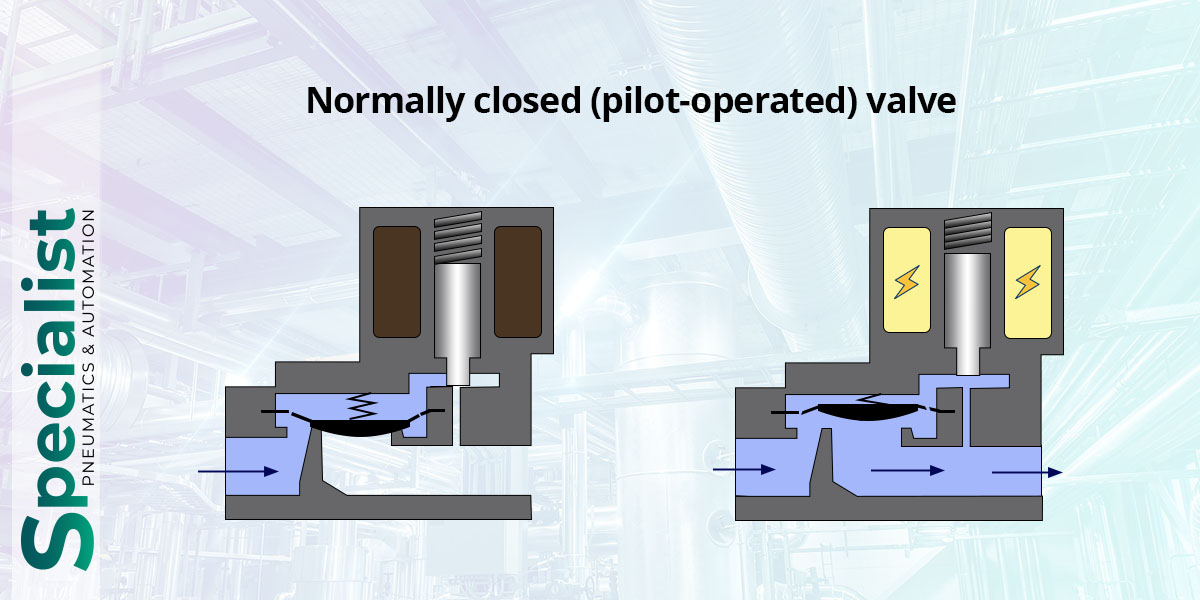
A normally closed solenoid valve (also known as an NC valve, from the English "Normally Closed") is closed without electric current and opens when power is applied. Here is how normally closed solenoid valves work:
Resting state: Without electric current in the electromagnet of a normally closed valve, the controlled element (such as a pin or piston) is in the closed position. This blocks the flow of liquid or gas through the valve. Without electric current in the electromagnet of a normally closed valve, the controlled element (such as a pin or piston) is in the closed position. This blocks the flow of liquid or gas through the valve.
Application of electric current: When electric current is applied to the coil, a magnetic field is created that attracts the controlled element toward the electromagnet. The controlled element moves, opening the valve and allowing liquid or gas to flow through it.
Flow control: By applying or disconnecting electric current to the electromagnet, the opening and closing of a normally closed solenoid valve can be controlled. When the electric current is disconnected, the valve returns to the closed position, blocking the flow through it.
It is important to note that normally closed solenoid valves are widely used in processes where the valve needs to remain closed by default and open only when the electromagnet is activated. For example, they can be used in safety groups, where the valves must remain closed to prevent the flow of hazardous substances and open only when the system activation signal is received.
What Media Can Solenoid Valves Be Used With?
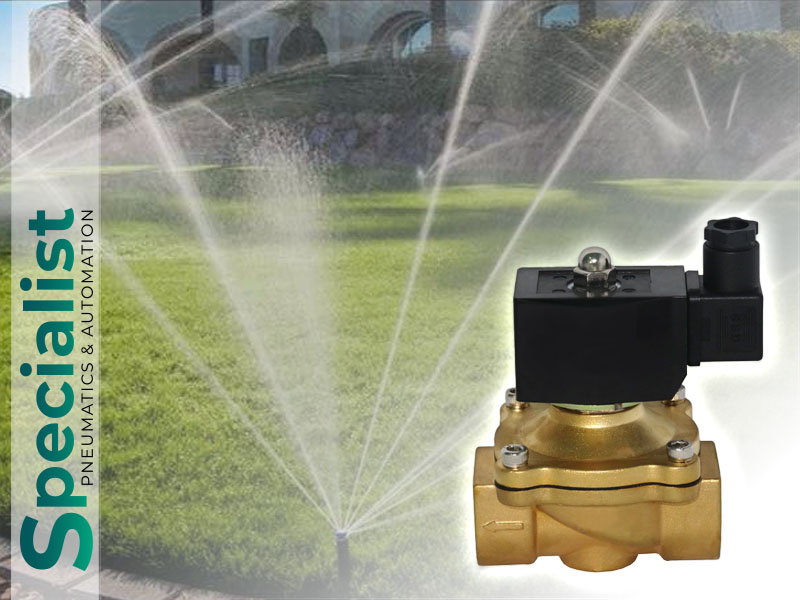
Water: Direct-acting solenoid valves are widely used for water supply, irrigation, cooling, and other water-related applications at pressures from 0 bar. They can control water flow in pipelines and processes with a specified degree of accuracy. Among the valves for water, the SV-ZS series is popular.
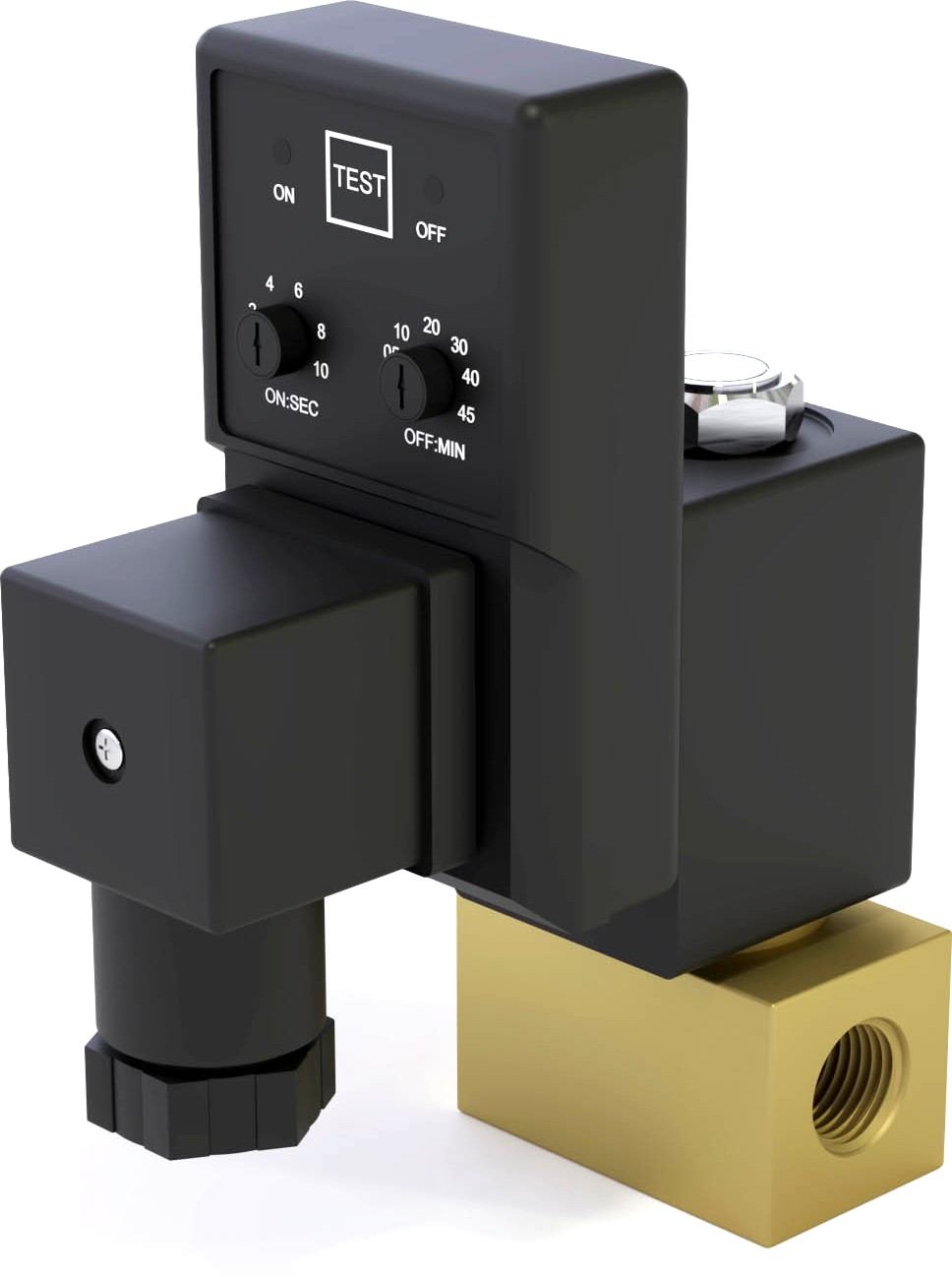
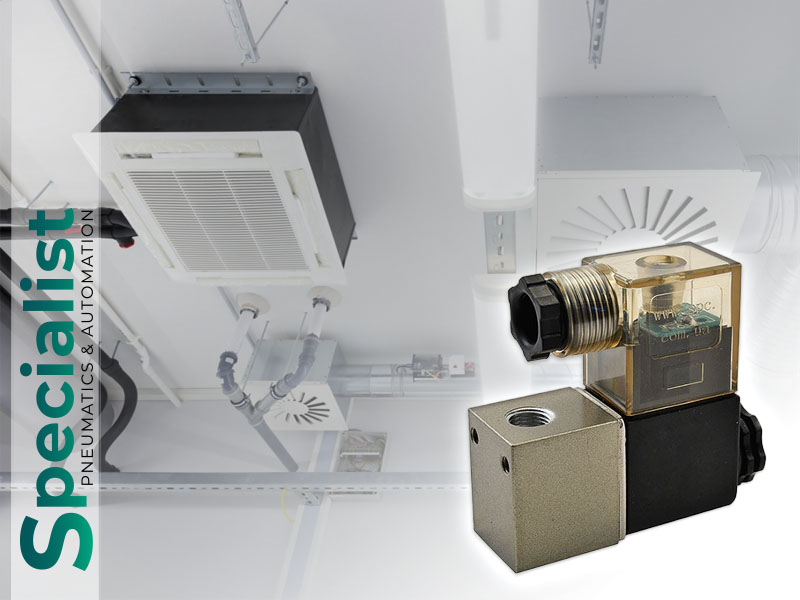
Air: Direct-acting and indirect-acting solenoid valves, depending on the customer's requirements, are used to control the flow of air, oxygen, and other gaseous media. They are used in ventilation systems, pneumatic devices, air conditioning systems, process control systems, and other applications. On our website, among the pneumatic valves, pay attention to the SV-F series and specialized condensate drain valves for pneumatic systems.
Liquid chemicals: In industry, direct-acting solenoid valves can be used to control the flow of liquid chemicals such as acids, alkalis, solutions, oils, solvents, and other aggressive or corrosive liquids. The ZS series with VITON seals is mainly used. Also, on our website, pay attention to the pneumatically actuated valves of the SV-HD and SV-HS series.

Lubricants and fuel: A direct-acting solenoid valve can be used to control the flow of oil, oils, fuel, and lubricants in various systems, including automotive and industrial installations. For viscous petroleum products, the SV-ZS series with VITON seals is suitable; for smaller passage sizes, the SV-F series is suitable. Also popular are the pneumatically actuated valves of the SV-HD series and the angled-seat SV-HS series.
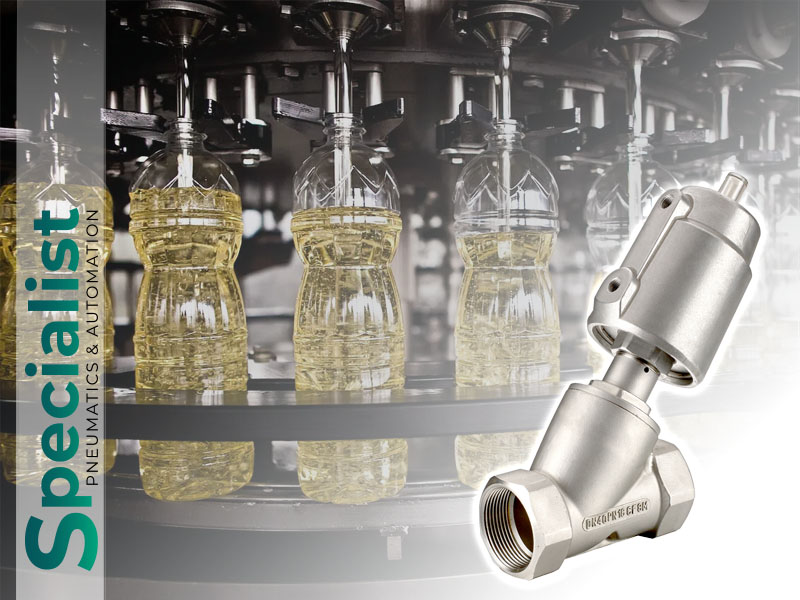
Steam: In steam processes, solenoid valves can be used to control steam flow in heating processes, steam generation, steam turbines, and other applications. In our catalog, the SV-SH series and pneumatically actuated valves are best suited for these applications.
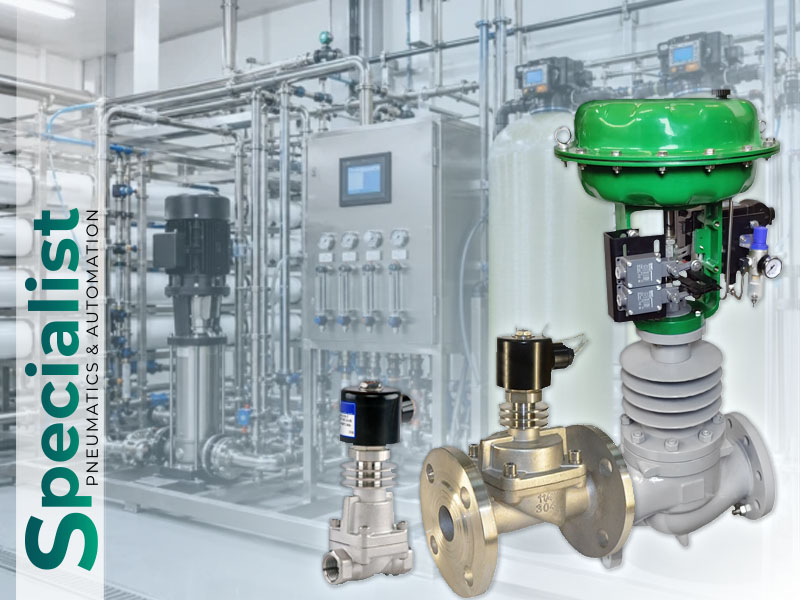
Food products: In the food industry, using solenoid valves to control the flow of various food products, for example, in automatic liquid dispensing processes, packaging systems, and other applications where sanitary design is required, can significantly reduce maintenance and energy costs. You can purchase the SV-FZ series from us, as well as the pneumatically actuated SV-HS.
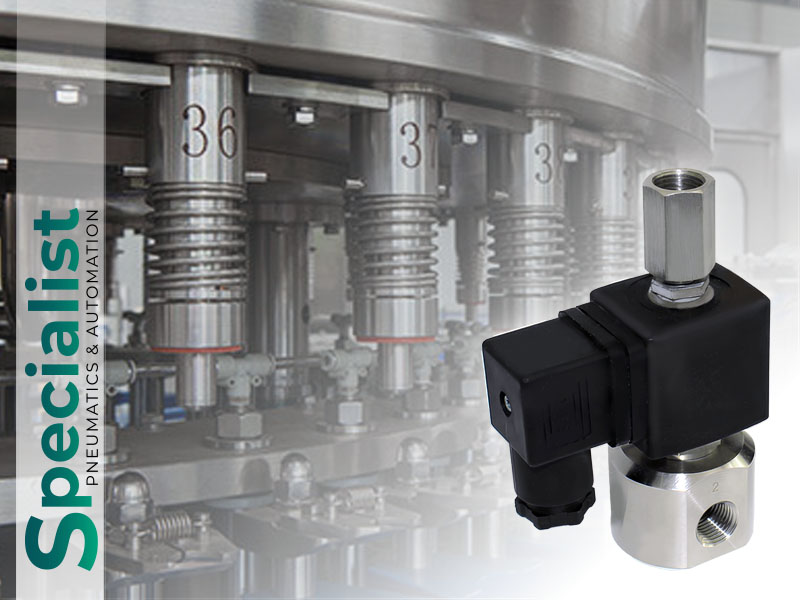
Solenoid Valve Operating Schemes
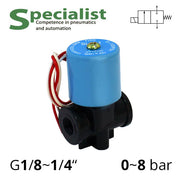
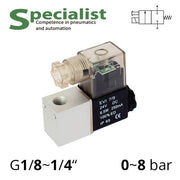
Direct Acting: In this solenoid valve control scheme, the solenoid directly affects the opening and closing of the direct-acting valve. When electric current is applied to the solenoid, it creates a magnetic field that overcomes the spring force and moves the valve to the open position. When the electric current is stopped, the spring returns the valve to the closed position. In our catalog, the valves using this type of control include the SV-ZS, SV-FP, SV-F, SV-FZ, and SV-WZ series.
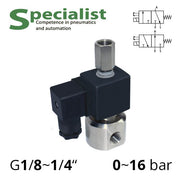
Pilot Operated: In this control scheme, the solenoid valve controls another valve called a pilot valve. The solenoid controls the pilot valve, which in turn controls the main valve. When electric current is applied to the solenoid, it controls the pilot valve, changing the pressure in the pilot line. The change in pressure opens or closes the main valve, controlling the flow through it. When the power supply is stopped, the pilot valve spring returns it to its initial position, which also affects the main valve. This type of control includes the SL, SV-SH, RMD, and RMDF series valves.
Proportional Valve (Throttle Control): In this control scheme, a solenoid valve is used to regulate the flow of liquid or gas through a throttle opening. The valve may have a variable opening or a throttle plate that changes the cross-section of the passage depending on the control signal from the solenoid. Changing the cross-sectional area of the passage allows the flow rate and volume to be regulated.
Types of Specialized Solenoid Valves
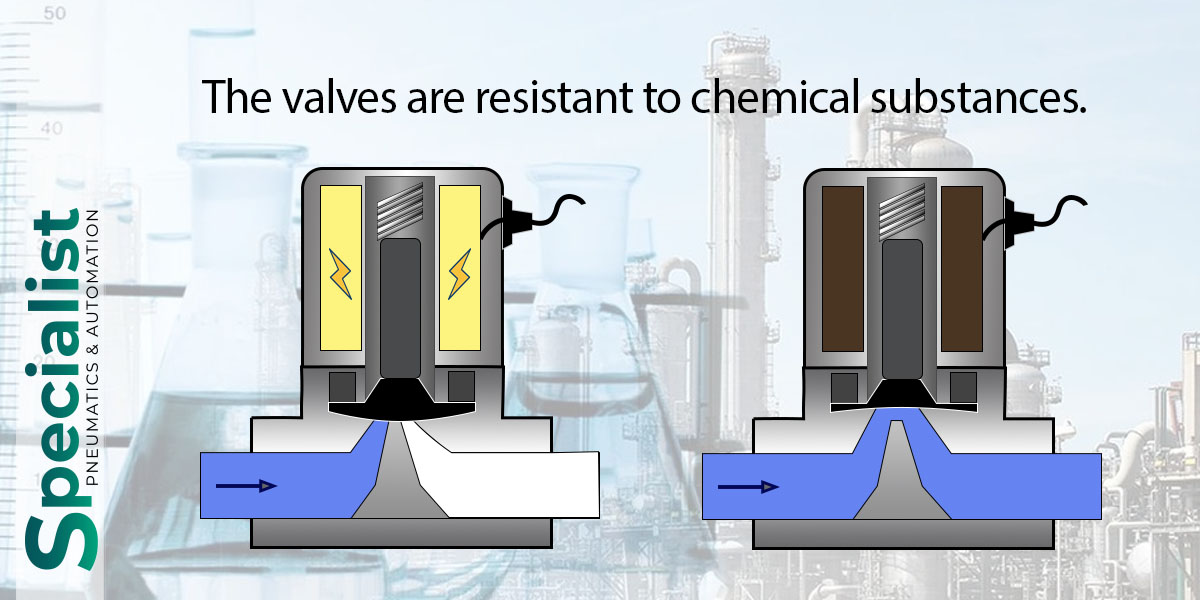
Chemical-resistant valves: specially designed to operate in aggressive chemical environments where conventional valves cannot provide sufficient resistance to corrosion or chemical exposure. These valves are made of PTFE, which has high chemical and corrosion resistance, allowing them to operate for extended periods in aggressive environments without damage or performance degradation. The valve diaphragm separates the working components from the medium.
High-pressure valve: these are special valves designed to operate with high pressure levels in systems. They can handle pressures exceeding standard values and are normally supplied with an operating pressure of up to 190 bar. The main advantages of these valves are resistance to high pressure, reliability and safety, a wide range of applications (controlling flows of compressed air, water, hot water, oil, gases, etc.), and a long service life. They can be manufactured from bronze or stainless steel according to the customer's requirements.
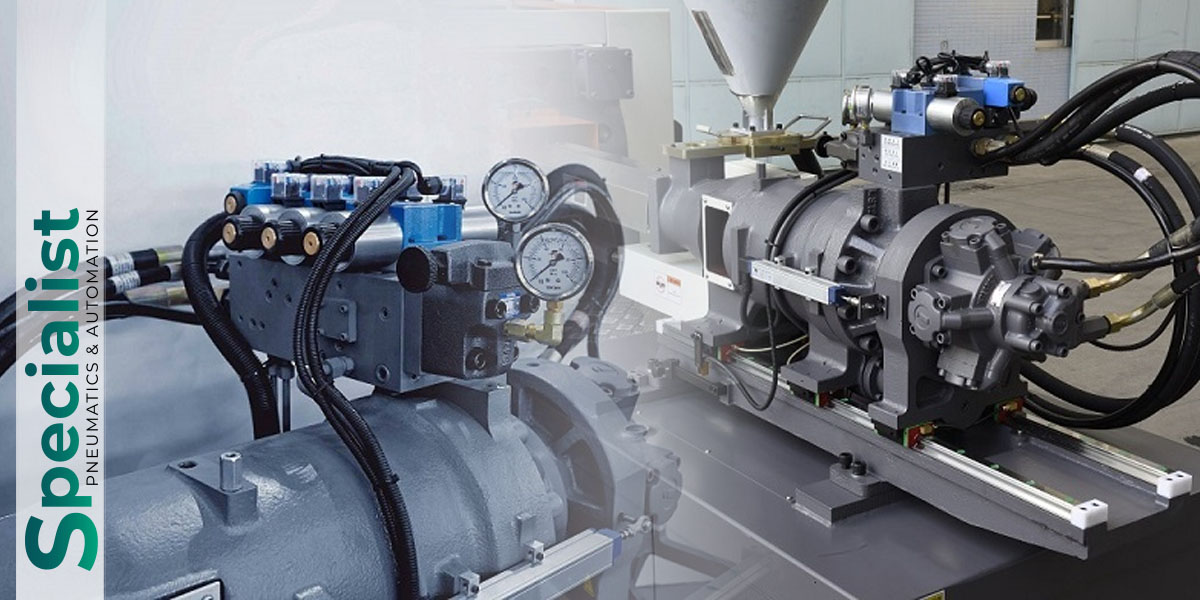
Steam valve: The SV-SH series piston-type valves are special valves designed to control and regulate steam flow in steam systems. They play an important role in ensuring the safety and efficiency of steam installations. They are made of stainless steel, withstand pressure up to 25 bar, and have an operating temperature of up to 250 degrees Celsius. Some advantages of steam valves include high resistance to heat and pressure, steam flow regulation, safety and prevention of emergency situations, durability and reliability, and reduced energy losses.
Gas valves: A solenoid valve for gas is a special valve designed to control gaseous media. One area of application is welding with inert gases. A separate category includes valves for regulating natural gas flow, which are specialized due to the explosive nature of natural gas and must comply with high safety standards.
Valves for water and irrigation systems: these are special valves used in irrigation systems to control and regulate water flow. They are made of polyamide, feature an NBR diaphragm, and are equipped with a moisture-resistant coil and, often, a timer. They play an important role in automating and efficiently using water for irrigating gardens, lawns, agricultural land, and other green areas. Some advantages of irrigation valves and irrigation systems include automation and convenience, water consumption regulation, flexibility and multifunctionality, reliability and durability.
Operating Principle of a Solenoid Valve
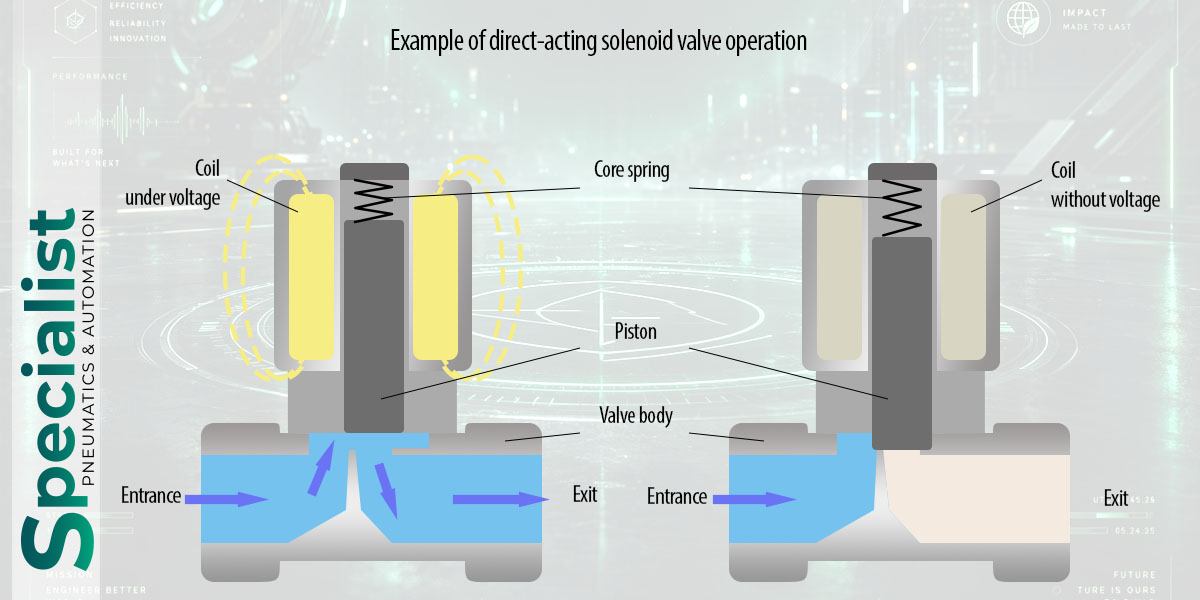
Direct-acting valve: This type of valve operates directly under the force of the electromagnet. Inside the valve, there is a spring that holds the valve in the closed position when it is closed. When electric current is applied to the solenoid coil, it creates a magnetic field that overcomes the spring force and moves the valve to the open position. When the power supply is stopped, the spring returns the valve to the closed position. Thus, in direct-acting valves, electric current directly affects the opening and closing of the valve.
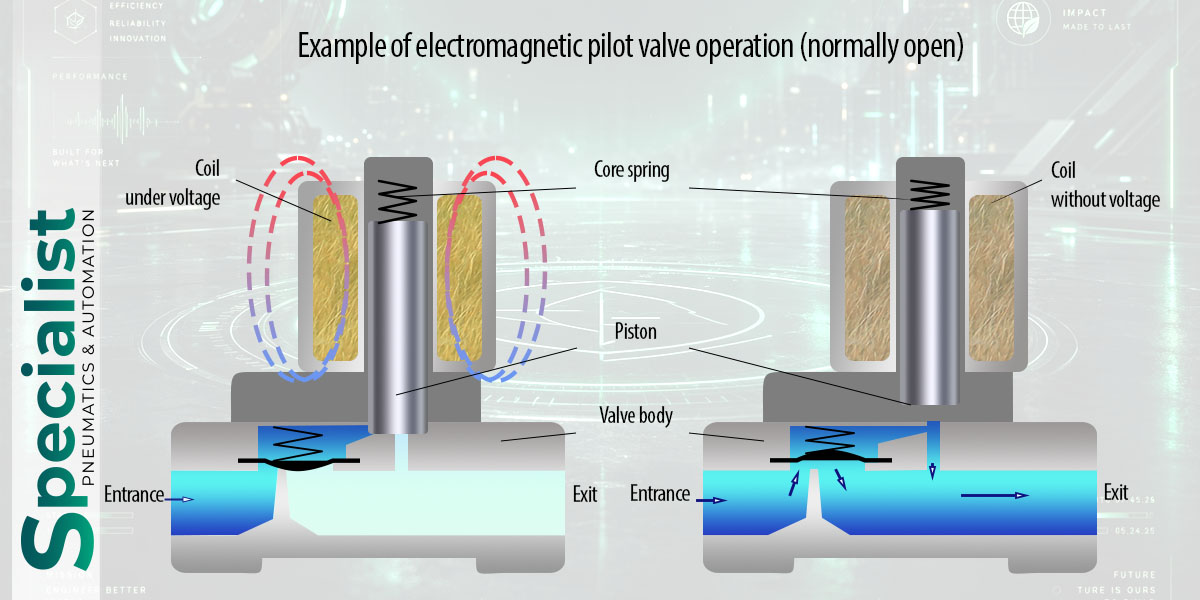
Indirect-acting valve: Unlike direct-acting valves, these valves require an additional device to control the flow. An indirect-acting valve has two chambers with different pressures and a diaphragm or piston separating these chambers. In the absence of electric current, a spring holds the diaphragm or piston in the closed position, blocking the flow of liquid or gas. When electric current is applied to the solenoid coil, a magnetic field is created that attracts the solenoid core. This causes a small opening or channel to open, allowing pressure to be released from the chamber located above the diaphragm or piston. The reduction in pressure above the diaphragm or piston allows the pressure force in the other chamber to move the diaphragm or piston, opening the flow through the valve. When the electric current is stopped, the diaphragm or piston returns to its original position under the action of the spring, closing the flow.
It is important to note that each type of valve has its own advantages and limitations, and the choice between them depends on the specific requirements of the system and operating conditions. Direct-acting valves generally respond faster to signal changes and provide more precise flow control, but require higher energy consumption to operate. Indirect-acting valves require less energy, but may have a slower response and lower flow control accuracy.
Solenoid Valve Selection Criteria
Operating parameters: Make sure that the valve meets the pressure, temperature, and flow requirements of your system. Determine the maximum and minimum pressure and temperature the valve must handle, as well as the required flow rate.
Valve type: Decide whether you need a normally open or normally closed valve based on the required operating mode and the flow you want to control. Also consider whether a direct-acting or indirect-acting valve may be required, depending on the specific requirements of your system.
Materials: Make sure that the materials from which the valve and its components are made are compatible with the working medium, including the liquids or gases you will be controlling. Consider the characteristics of the medium, such as its aggressiveness, viscosity, chemical compatibility, and the presence of solid particles.
Size and connection type: Determine the required size and type of thread or connection for connecting the valve to your system. Make sure it is compatible with the existing pipelines and connections.
Electrical characteristics: Check the requirements for the power supply, such as voltage, current, and signal type (DC or AC), to ensure that the valve is compatible with the power supply system.
Remember that the selection of solenoid valves may be specific to each system or process, so it is always useful to contact our specialists for specific recommendations and consultation.
Examples of Solenoid Valve Applications
Water supply and irrigation: Solenoid valves are used in irrigation systems for lawns, gardens, farms, parks, and sports fields. They control the flow of water and provide automatic switching on and off of irrigation at specified time intervals.
Pneumatics and hydraulics: Solenoid valves are used in pneumatic and hydraulic systems to control the flow of compressed air or liquid. They are used in automatic devices, pneumatic actuators, control systems, and other hydropneumatic systems.
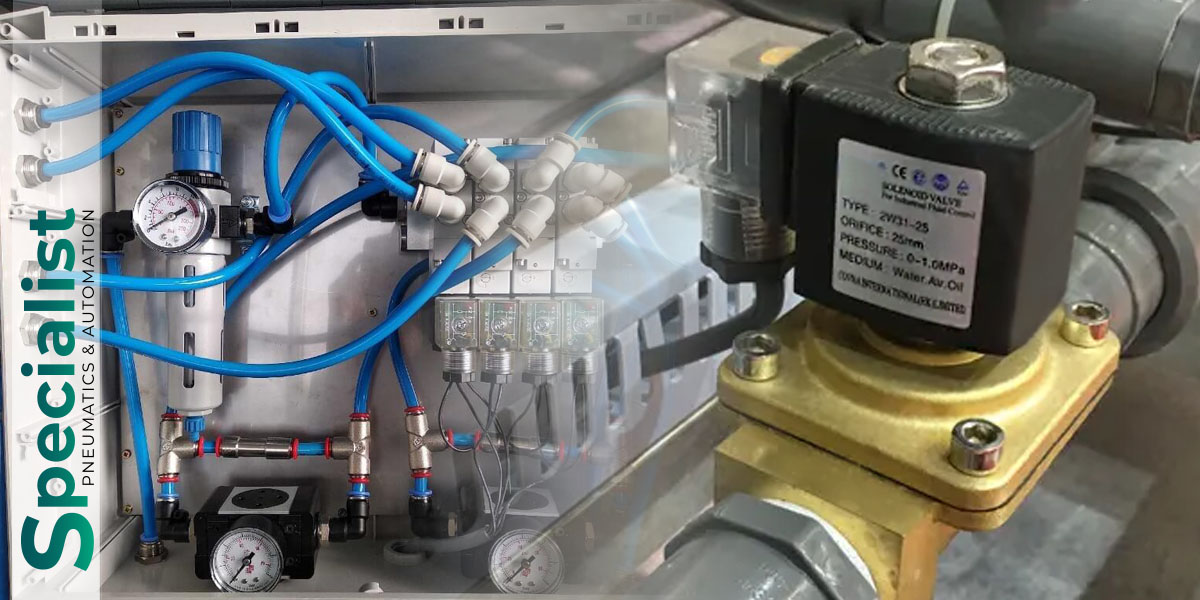
Medical equipment: Solenoid valves are used in various medical devices and systems, including ventilators, hemodialysis machines, drug delivery systems, and other medical equipment where precise control of liquid or gas flow is required.
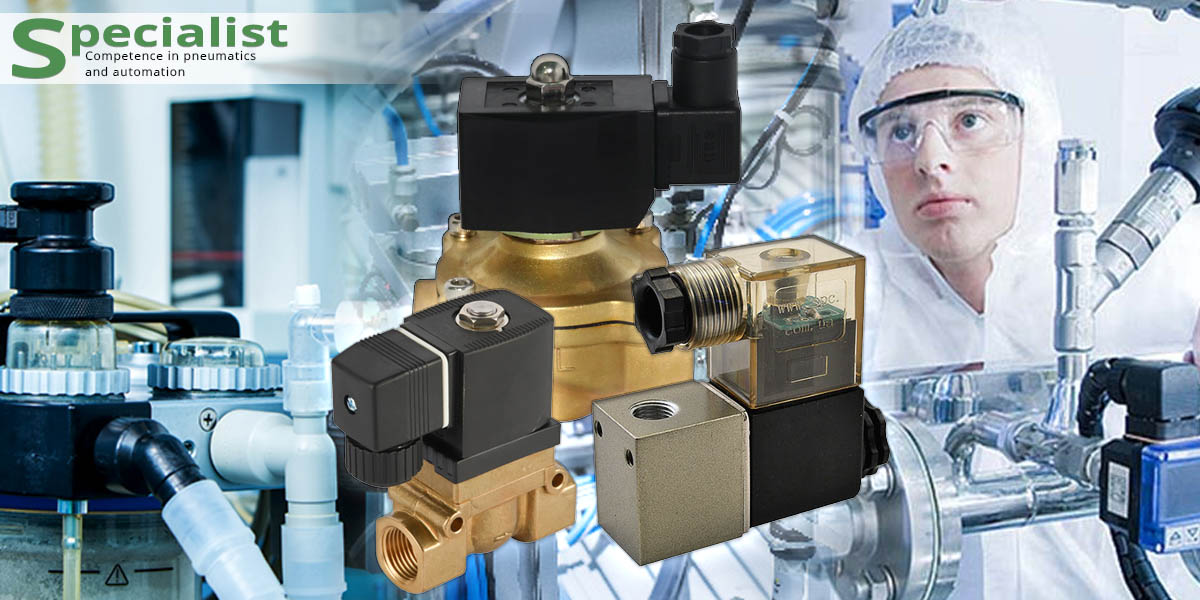
Automotive industry: Solenoid valves are used in the automotive industry to control the flow of fuel, coolant, oil, and other working fluids. They are used in fuel injection systems, engine cooling systems, lubrication systems, and other vehicle systems.
Industrial processes: Solenoid valves are used in various industrial processes to control the flow of different media, including air, water, gases, petroleum products, chemicals, and other materials. They are used in manufacturing automation systems, material processing, control systems, and other industrial applications.
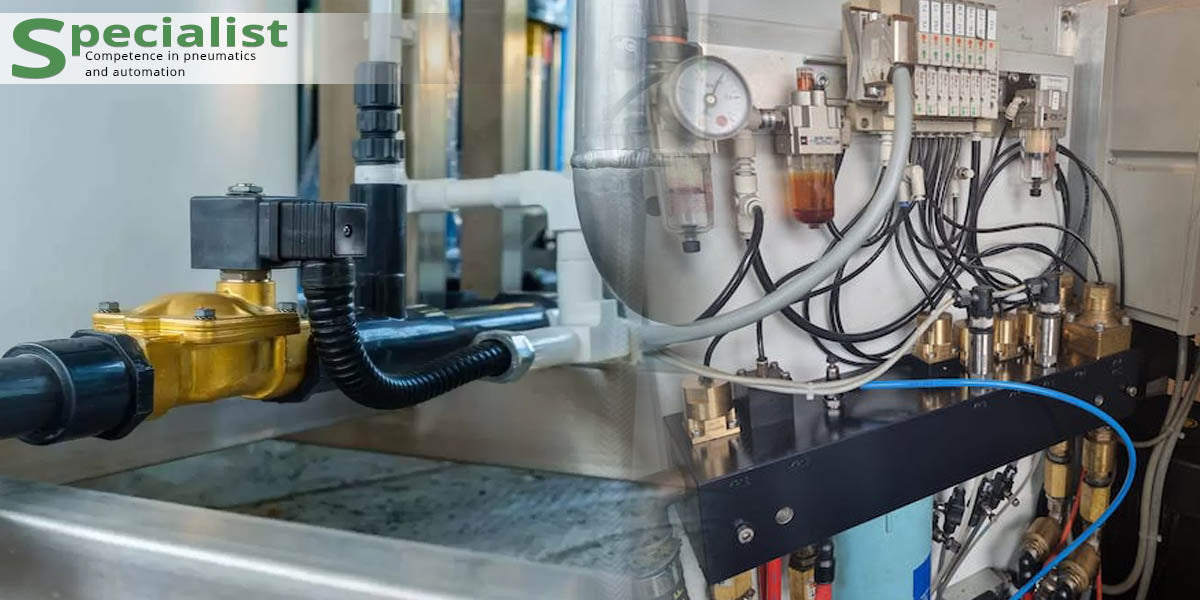
These are just some examples of solenoid valve applications. Thanks to their reliability, precision, and remote-control capabilities, they are widely used in many fields and systems where liquid and gas flow control is required.
Frequently Asked Questions
What is a solenoid valve used for?
Solenoid valves are used to control the flow of liquid or gas by means of an electrical current signal applied to the coil.
How can you determine if your solenoid valve is faulty?
Main problems caused by a faulty coil:
- Complete lack of valve response to the control signal
- Poor response to the control signal, delayed actuation, and problems maintaining the valve in one position
- Noise and vibration during operation
If the coil is visibly damaged, it should be disconnected from the power supply immediately and replaced. Coils with damaged housings can pose a risk of electric shock to workers and may cause sparks and ignition.
How do you choose a solenoid valve?
To select the right solenoid valve, you need to:
- select the valve operating mode according to the technology and safety requirements: normally closed or normally open;
- select the valve control method: indirect for excessive pressure, direct for low pressure or vacuum;
- select the materials of the seals and internal valve components that may come into contact with the working medium at the specified temperature and pressure;
- select the valve size with the required flow capacity.
We discuss the selection process in more detail in the article.
What is a solenoid?
A solenoid is an electromagnetic device consisting of a wound wire (electromagnetic coil) around a cylindrical ferromagnetic core and a movable armature. When current passes through the coil, an electromagnetic field is created that moves the core.
How does a solenoid work?
When electric current passes through the coil, a magnetic field is created that attracts the armature to the core or repels it from the core, depending on the solenoid design.
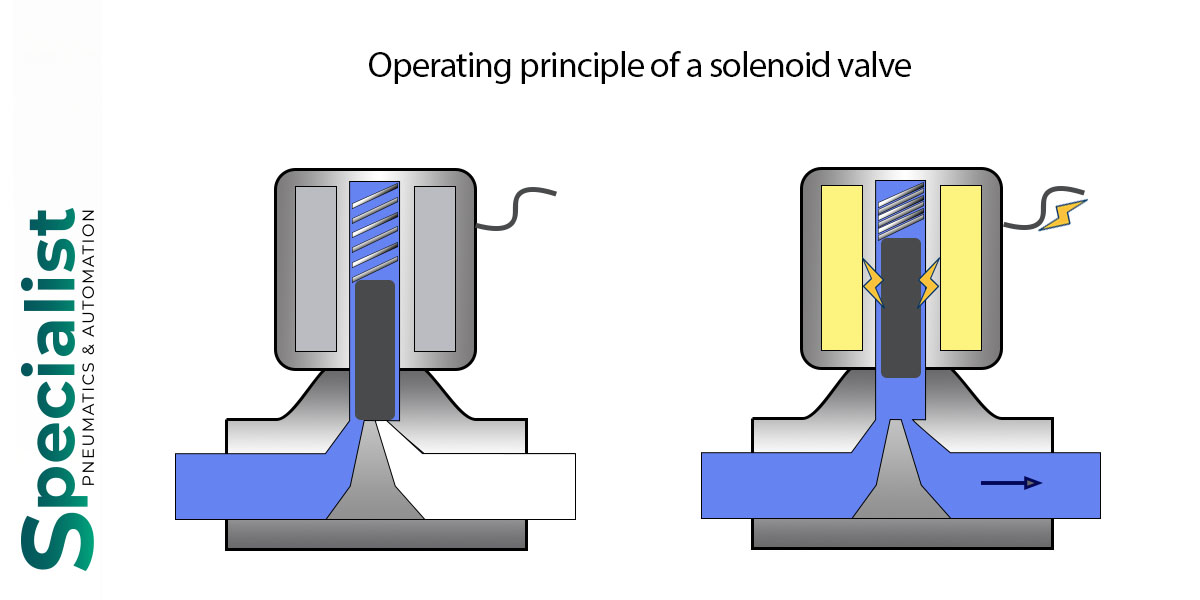
What is the difference between direct-acting and indirect-acting valves?
The main difference between direct-acting and indirect-acting devices is how the movement of the coil core is connected to the main valve or piston that opens the main flow passage.
- If the main valve is mechanically and directly connected to the coil core, it is a direct-acting valve. Such valves can operate without pressure and under vacuum;
- An indirect-acting valve is one in which the coil is connected to an auxiliary valve or piston that closes the internal "pilot" chamber, while the main valve is actuated by the pressure of the working medium generated in the pilot chamber. This allows low-power coils to be used and reduces system energy consumption, but such valves do not operate at low pressure.

