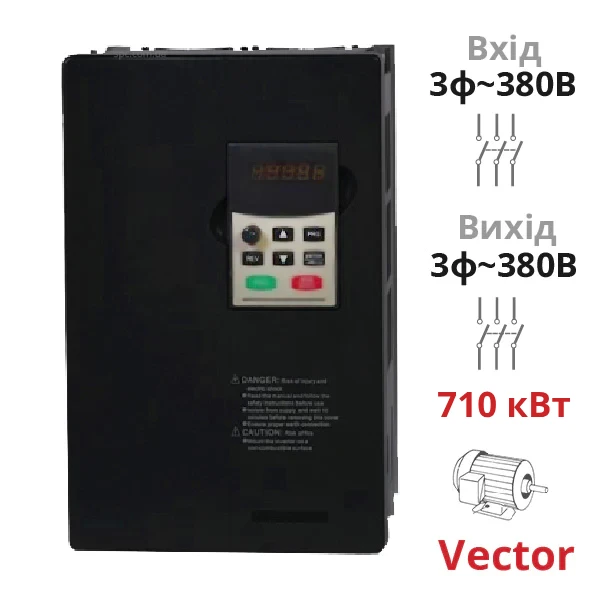
What is a frequency converter?
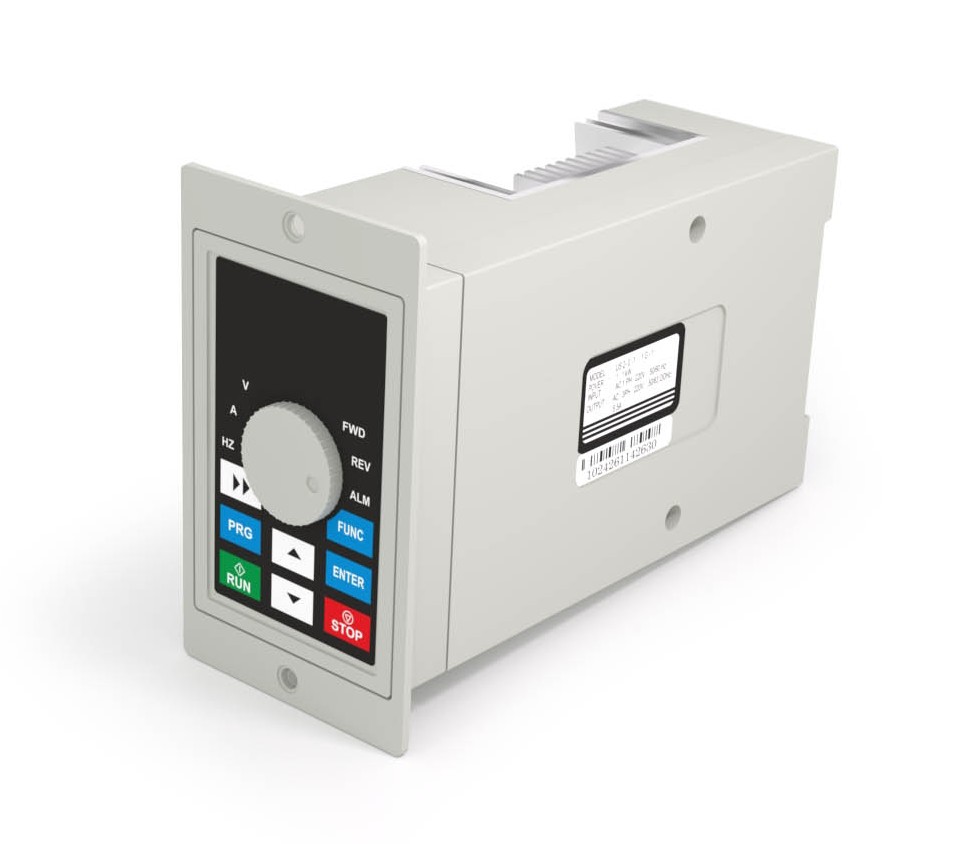
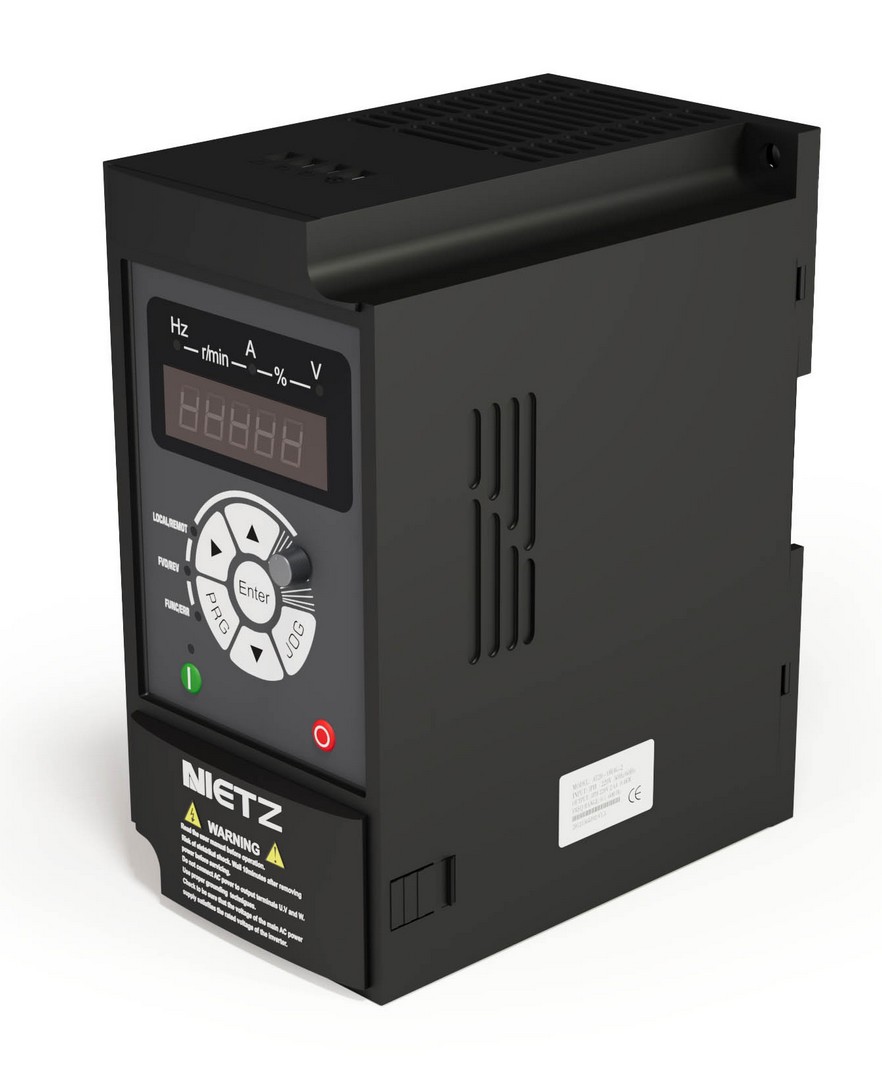
A frequency inverter is a device that converts direct or alternating current to produce alternating current of a specific frequency. The frequency inverter controls the frequency and voltage supply to the motor. This results in the regulation of the motor speed.
What is the purpose of a frequency inverter?
Inverter for motors, also known as a frequency inverter, variable frequency drive, motor speed controller, or AC converter, significantly impacts the system in which it is applied. Why? Here are some examples:
- to save energy and improve system efficiency,
- to convert energy in hybrid systems,
- to adapt speed to the requirements of the technological process,
- to adapt torque or power of the drive to the requirements of the process,
- to improve the working environment,
- to reduce noise levels in fans and pumps,
- to reduce mechanical load on machines to extend their lifespan,
- to reduce peak loads to avoid peak load charges and decrease the necessary motor size,
- to increase system reliability and durability.
Read more about choosing an inverter for motors in the articles.
Which frequency inverters are better and more efficient?
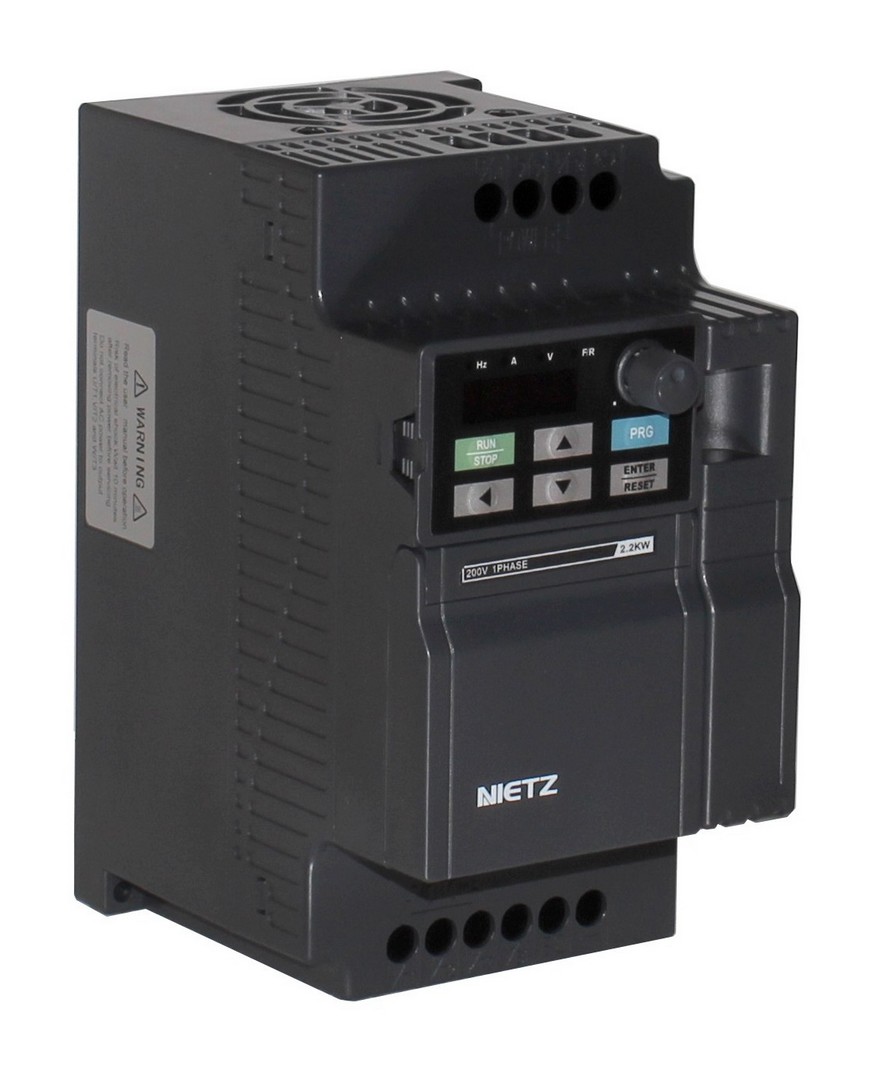
Nietz company frequency controllers ensure efficient operation of electric motors in industrial and commercial applications:
- allow precise control of electric motor speed,
- optimize energy consumption of electric motors,
- provide more precise and flexible control over electric motors,
- smooth starting currents and sudden load changes on the motor.
We offer frequency inverters for various types of motors
There are different types of frequency inverters that can be applied to different types of electric motors.
- Frequency inverters for induction motors. Induction motors are the most common type of electric motors.
- Frequency inverters for synchronous motors. Synchronous motors have a fixed rotational speed, and frequency inverters can be used to control their frequency to maintain speed with load changes.
- Frequency inverters for servo motors. Servo motors are special electric motors providing high precision positioning and control.
How to choose a frequency inverter for a specific motor?
When choosing a frequency inverter for a specific motor, a number of criteria must be considered. Here are some of them:
-
Motor type. Identify the motor type the inverter will work with. Depending on the motor type (asynchronous, synchronous, DC, etc.), the appropriate type of frequency inverter is needed.
-
Motor power. Determine the required converter power corresponding to motor power and current strength.
-
Rated frequency and voltage. Make sure the Frequency Inverter can work with the rated frequency and voltage of the electrical network in which it will be used.
-
Speed regulation and control. Define the necessary speed regulation range and driving control capabilities.
- Additional features and capabilities. Consider additional features and capabilities that may be needed for your equipment.
What should be considered before purchasing a motor inverter?
- Conduct market research. Study different models of frequency inverters to determine available offers.
- Consider motor requirements. Ensure that the selected Frequency Inverter fits the specific motor type.
- Identify required features. Consider necessary features, such as speed regulation, torque control, protective functions, and communication interfaces.
- Consider expansion capabilities. Think about the possibility of expanding and integrating the inverter into other systems or networks.
- Consult specialists. If you have any doubts or questions, contact our electrical specialists. They can provide you with advice and help you choose the proper frequency inverter.
Single-Phase Frequency Inverter
Single-phase frequency inverters are designed to operate with single-phase electric motors used in domestic and small industrial applications.
Single-phase frequency inverters have a single-phase input. This means they can be connected to a standard single-phase electrical network with a voltage of 220V or 230V.
The output of a single-phase inverter may be 1 phase 220V or 3 phases 220V.
Useful features and capabilities of single-phase inverters
- Speed control. Single-phase frequency inverters enable speed control of single-phase electric motors.
- Low starting torque. Single-phase motors have a limited starting torque compared to three-phase motors.
- Built-in protection. Many single-phase motor inverters have built-in protection features such as overload, short circuit, overheating, and low voltage protection.
- Compact size. Single-phase frequency inverters are typically compact and lightweight, making them convenient for installation in space-constrained areas.
How to choose a single-phase frequency inverter?
Consider several key factors when selecting the suitable single-phase frequency inverter.
- Motor type. Identify the type of single-phase motor that the inverter will work with.
- Motor power. Determine the necessary converter power corresponding to the power and current of your single-phase electric motor.
Recommendations for purchasing a single-phase inverter
What to consider to buy a single-phase frequency inverter?
- Rated frequency and voltage. Make sure the frequency inverter can work with the rated frequency and voltage of the electrical network in which it will be used. The typical voltage for single-phase inverters is 220 V or 230 V.
- Speed regulation and control. Determine the required speed regulation range and control functions that you need.
- Protective functions. Consider the presence of built-in protective functions in the inverter, such as overload, short circuit, overheating, and low voltage protection.
- Wide power range. Three-phase inverters typically have a more extensive power range compared to single-phase inverters. They can effectively work with high-power three-phase electric motors.
- High energy efficiency. Three-phase frequency inverters provide high energy efficiency compared to other motor speed control methods.
- A broader range of speed regulation. Three-phase inverters offer a broader range of motor speed regulation compared to single-phase inverters, providing smooth and stable motor speed management.
- Better compatibility with industrial systems. Three-phase inverters are well compatible with industrial systems.
Three-Phase Frequency Inverter
Several different types of three-phase frequency inverters exist, each with its own features and applications.
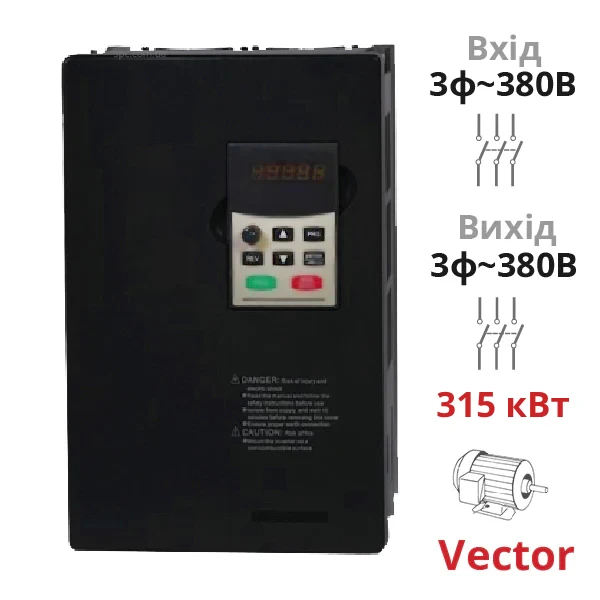
- Vector frequency inverters. Vector type devices provide precise control of motor speed and torque.
- Scalar frequency inverters. Scalar converters are the most common type of three-phase inverters, mainly used for fans and pumps. On our website, you can find a wide selection of scalar inverters for application to your equipment.
How to select a three-phase frequency inverter?
The right choice of three-phase frequency inverter for your equipment can ensure optimal performance and system reliability.
- Motor type. Identify the type of three-phase motor that the inverter will work with.
- Motor power. Establish the necessary converter power compatible with the power and current of your three-phase electric motor.
- Rated frequency and voltage. Ensure the inverter can work with the rated frequency and voltage of your electrical network.
Recommendations for purchasing a three-phase inverter
What to consider to purchase a three-phase frequency inverter?
- Speed and control requirements. Determine the necessary speed regulation range and control functions you require.
- Protective functions. Consider the presence of built-in protective functions in the inverter, such as overload, short circuit, overheating, low and high voltage protection.
- Additional features and capabilities. Consider additional features and capabilities that may be important for your application.
We recommend consulting with our electrical specialist when selecting a three-phase inverter for a motor. They will help choose the most suitable model considering application features.
Inverter for Single-Phase Induction Motor
Single-phase induction motors have several features and a wide range of applications. Here are some of them:
- Starting launch. Single-phase induction motors typically require auxiliary devices for starting, such as capacitors or auxiliary windings. Frequency converters can be used as soft starter devices.
- Limited power. Single-phase induction motors usually have limited power and are used for small loads.
- Limited speed range. Single-phase induction motors generally have fixed rotational speed and limited frequency regulation range.
- Economy and simplicity. Single-phase induction motors have a simple design and are typically more cost-effective than three-phase motors.
- Application in household and low-power devices. Single-phase induction motors are widely used in household devices such as refrigerators, washing machines, air conditioners, fans, pool pumps, and other domestic appliances.
- Limitations in industrial applications. Single-phase induction motors have limitations in applications with high loads and speed regulation requirements. In such cases, three-phase motors are usually preferred.
What frequency inverters are suitable for single-phase induction motors?
For single-phase induction motors, the following frequency inverter types can be used:
- Frequency inverters with single-phase input and three-phase output. These converters receive single-phase power and convert it to three-phase, necessary for three-phase motor operation.
- Frequency inverters with single-phase input and output specially designed for single-phase induction motors.
How to choose a frequency inverter for a single-phase induction motor?
When selecting the appropriate frequency inverter for a single-phase induction motor, consider several key factors:
- Motor power. Ensure that the chosen frequency inverter supports sufficient power for your single-phase motor.
- Supply voltage and current. Ensure that the inverter's supply voltage and current match the electrical characteristics of your system.
It's essential to consider the specific requirements of your single-phase induction motor and choose a frequency inverter that best meets your needs.
Recommendations for purchasing a frequency inverter for a single-phase induction motor
What to consider to buy a frequency inverter for a single-phase induction motor?
- Speed regulation. If you need the ability to adjust the speed of a single-phase electric motor, ensure the selected inverter has the appropriate speed regulation functions. Frequency inverters can be used as soft starting devices.
- Protective functions. Check the protective functions offered by the frequency inverter.
- Additional features. Consider additional features that may be important for your application. For example, this might include support for communication interfaces (e.g., Modbus RS485, Ethernet).
- Consultation with professionals. If you have doubts or questions, consulting with our professionals in the field of electrical engineering is recommended. They can provide you with an expert opinion and help you choose the most fitting variant for your specific application.
Frequency inverters capable of changing voltage are typically designed to work with three-phase voltage systems. They can accept single-phase 220 V power and generate a three-phase output voltage of 380 V, which is needed to power three-phase motors. If you have a single-phase induction motor requiring 380 V, using a frequency inverter with 220V input and 380 V output voltage may be one option.
Frequency Inverter 220 to 380
When selecting the appropriate frequency inverter for transitioning from 220 to 380 V, consider several key factors:
- Motor power. Ensure that the chosen frequency inverter supports adequate power for your electric motor.
- Supply voltage and current. Ensure that the inverter's supply voltage and current match the electrical characteristics of your network.
- It is crucial to consider the specific requirements of your motor and select a frequency inverter that best meets your needs.
Useful functions and features of voltage-changing inverters
What to consider to buy a 220 to 380 inverter?
General valuable functions that these inverters often offer:
- Frequency regulation. A frequency inverter allows AC frequency adjustment, affecting motor rotational speed.
- Voltage regulation. Some frequency inverters with voltage conversion capability also offer output voltage adjustment.
- Protective functions. Good frequency inverters usually offer numerous built-in protection functions to ensure safe and reliable system operation.
- Smooth start and stop function. Frequency inverters can be used as soft starter devices.
- Control and monitoring. Some inverters may provide control and monitoring capabilities, such as displaying current parameters, setting parameters through the control panel, or remote control via communication interfaces.
When selecting a converter, you should pay attention to its technical specifications and functional capabilities to satisfy the requirements of a specific application. If you encounter difficulties selecting a frequency inverter, we recommend consulting with our specialists.
Where to buy a frequency inverter?
Technical support
We are ready to provide you with consultations on the selection and purchase of equipment in our company. You can also get consultations on frequency inverter protection, installation rules, and common mistakes. Our electrical engineers will help you with basic settings.
Warranty obligations
We offer our customers a 12-month warranty provided our recommendations for installation and protection of the frequency inverter are followed.
Repair and after-sales service
Our company offers a full range of after-sales services. Our specialists are ready to repair your equipment of any complexity.




 On order